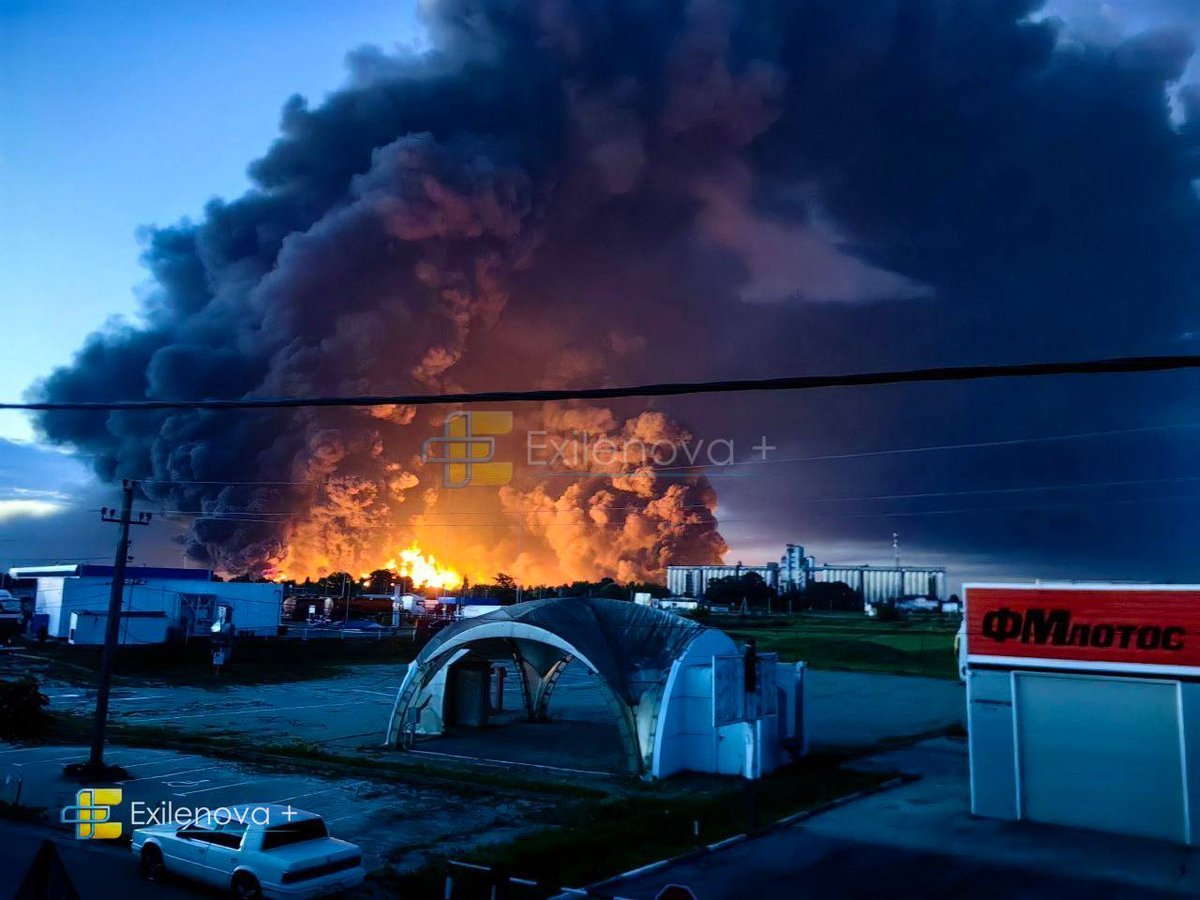
Ukrainian Defense Forces have successfully disabled nearly 43% of Russia's total projected oil refining capacity as of early July 2026, according to the General Staff of the Armed Forces of Ukraine. This significant reduction has triggered a severe domestic fuel crisis within Russia and is prompting discussions with the European Commission on new sanctions targeting fuel imports.
The sustained campaign of strikes against Russian refineries underscores the evolving impact of geopolitical conflict on global energy supply chains, creating ripple effects for refined product markets and intensifying the strategic importance of EU energy policy and sanctions enforcement.
Executive Summary
Systematic strikes by Ukrainian forces have crippled 42.7% of Russia's oil refining capacity by early July 2026, leading to a profound domestic fuel crisis and a 25% year-on-year drop in Russia's overall fuel production in June. The damage, estimated at $13.5 billion since August 2025, has forced Russia to increase reliance on imported petroleum products, opening a new avenue for potential EU sanctions.
What Happened
As of early July 2026, Ukrainian Defense Forces have systematically attacked and disabled 42.7% of Russia's total projected oil refining capacity, with eight refineries hit in the past month. This campaign has destroyed or critically damaged over 60 storage reservoirs, exacerbating a domestic fuel crisis and causing significant production shortfalls.
Key Developments
- Refining Capacity Crippled: Ukrainian strikes have disabled 42.7% of Russia's total oil refining capacity by early July 2026, with only the Omsk refinery reportedly operating at full capacity.
- Domestic Fuel Crisis: The reduction has led to a severe domestic fuel crisis in over 50 Russian regions, with overall fuel production down 25% year-on-year in June and running 20% below domestic demand.
- New Sanctions Focus: Ukraine is discussing new sanctions with the European Commission to discourage third countries from exporting fuel to Russia, targeting a new vulnerability created by increased Russian imports.
Regional Context
The ongoing conflict in Ukraine continues to reshape the European energy landscape, with direct military actions now significantly impacting Russia's ability to refine crude, thereby creating new pressures on global refined product flows and intensifying the EU's strategic energy security agenda.
Market Impact
For traders and refiners, the substantial loss of Russian refining capacity implies tighter global refined product markets, potentially leading to higher prices for diesel and gasoline. Analysts will closely monitor the effectiveness of proposed EU sanctions on fuel imports to Russia and their potential to further disrupt supply-demand balances.
Outlook
The trajectory of Ukrainian strikes and the EU's willingness to implement further sanctions on Russian fuel imports will be critical factors determining the stability of refined product markets and the broader geopolitical energy calculus in the coming months.