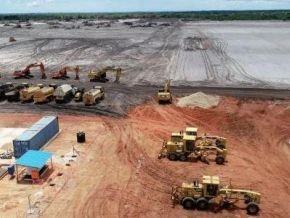
TotalEnergies is set to integrate a 7.1 MW solar power plant into its $20 billion Mozambique LNG project in Afungi, signaling a strategic move to reduce the development's carbon footprint. This initiative comes as construction on the massive liquefied natural gas export facility officially resumed in January 2026 after a five-year suspension due to security concerns.
The decision to incorporate renewable energy into a major fossil fuel project highlights the evolving landscape of energy development in Africa, where environmental considerations are increasingly influencing large-scale investments. For energy markets, this signals a dual focus on securing critical LNG supplies while addressing sustainability pressures, potentially setting a precedent for future African upstream projects.
Executive Summary
TotalEnergies is advancing its Mozambique LNG project by adding a 7.1 MW solar plant at the Afungi site, a significant step towards decarbonizing its operations. The $20 billion project, approximately 40% complete, officially restarted construction on January 29, 2026, following improved security in Cabo Delgado province. With first LNG production targeted for 2029 and an annual capacity of 13 million tons, this integration underscores a commitment to both energy security and environmental stewardship in a key African gas basin.
What Happened
TotalEnergies launched a call for expressions of interest on July 1, 2026, to design, build, install, and operate a 7.1 MW solar plant at its Mozambique LNG site in Afungi. This development follows the formal restart of the Mozambique LNG project on January 29, 2026, after a five-year suspension due to armed attacks in the Cabo Delgado Province. The project, now 40% complete, aims for first LNG production by 2029.
Key Developments
- Solar Integration: TotalEnergies plans a 7.1 MW solar plant at the Mozambique LNG site to power construction and operations, reducing the project's carbon footprint.
- Project Restart: The $20 billion Mozambique LNG project officially resumed construction on January 29, 2026, after a five-year force majeure due to security issues.
- Production Target: The facility is expected to achieve its first LNG production in 2029, with an annual capacity of 13 million tons.
Regional Context
Mozambique's Cabo Delgado province, rich in natural gas, has been a focal point for major LNG investments, but also a region grappling with security challenges. The restart of this flagship project, coupled with efforts to enhance its environmental profile, positions Mozambique as a critical player in East Africa's emerging energy landscape, attracting significant international investment.
Market Impact
For global LNG markets, the restart of Mozambique LNG, a 13 million tons per annum (mtpa) project, promises a substantial new supply source by 2029, easing long-term market tightness. The integration of solar power may also influence investor sentiment, potentially favoring projects that demonstrate a commitment to lower emissions, impacting financing costs and marketability for future African gas developments. Traders and analysts will monitor the project's progress and its implications for regional gas pricing and supply diversification.
Outlook
Future developments will focus on the successful execution of the solar plant and the broader LNG facility, with market observers closely watching for any further security developments or construction milestones. The project's trajectory will serve as a bellwether for balancing large-scale fossil fuel investments with growing environmental, social, and governance (ESG) considerations in Africa.