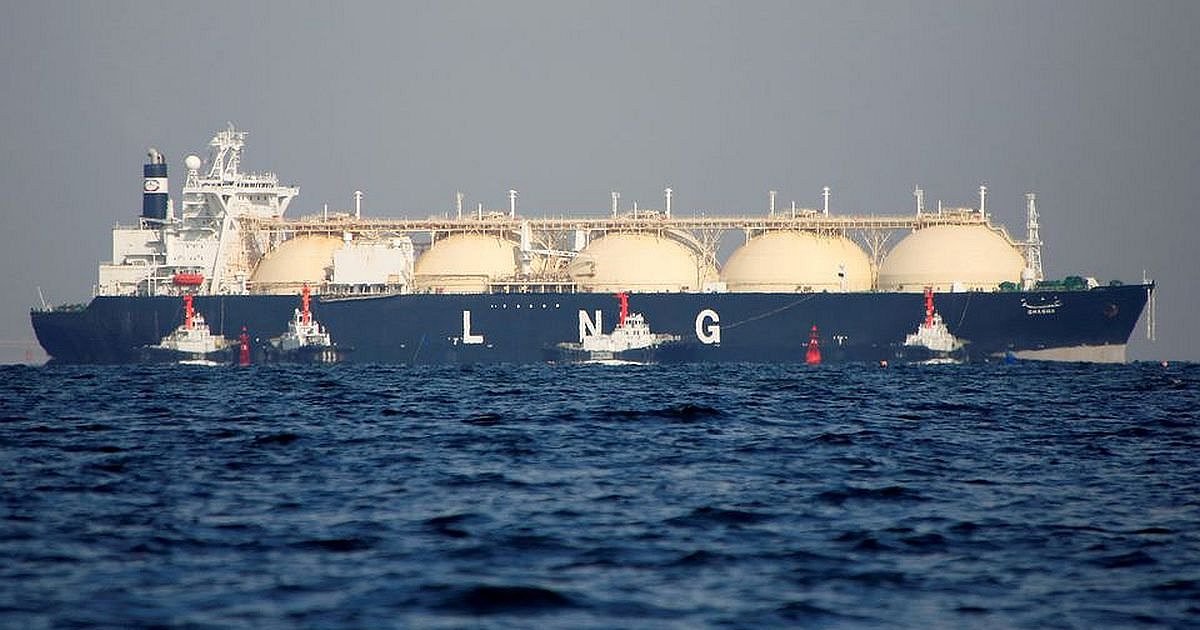
India has rescinded emergency natural gas supply regulations, effective immediately, as liquefied natural gas (LNG) shipments through the critical Strait of Hormuz have normalized following a ceasefire in the West Asia conflict. This policy reversal signals a significant easing of energy supply concerns for the world's third-largest oil importer and consumer.
The swift withdrawal of these emergency measures underscores the immediate positive impact of de-escalated geopolitical tensions on global energy supply chains, particularly for import-dependent Asian economies. For India, it means a return to market-driven gas allocation, potentially stabilizing domestic prices and ensuring consistent feedstock for key industries.
Executive Summary
The Indian Ministry of Petroleum and Natural Gas has amended its Natural Gas (Supply Regulation) Order, 2026, removing provisions that prioritized domestic natural gas and imported LNG sales. This decision, announced on Saturday, July 5, 2026, comes after a ceasefire in the West Asia conflict led to the resumption of normal maritime traffic through the Strait of Hormuz. The original order, implemented on March 9 under the Essential Commodities Act, was a direct response to severe disruptions in LNG shipments, which saw suppliers invoking force majeure and diverting cargoes. The ministry confirmed that the situation has since improved, with negotiations underway and maritime traffic resuming.
What Happened
On Saturday, July 5, 2026, India's Ministry of Petroleum and Natural Gas issued a notification amending the Natural Gas (Supply Regulation) Order, 2026. This action effectively withdrew most provisions of the emergency order, which had been imposed on March 9, 2026, under the Essential Commodities Act. The original regulation had established a priority customer list for all domestically produced natural gas and imported LNG due to disruptions in the Strait of Hormuz caused by the West Asia conflict.
Key Developments
- Emergency Curbs Lifted: India's government has withdrawn emergency regulations on natural gas supply, which prioritized domestic and imported LNG sales.
- Hormuz Traffic Resumes: The decision follows a ceasefire in the West Asia conflict, leading to the normalization of LNG shipments through the Strait of Hormuz.
- Market-Driven Allocation: The reversal allows for a return to market-based allocation of natural gas, easing supply concerns for India's energy sector.
Regional Context
The Strait of Hormuz is a vital chokepoint for global energy flows, with approximately 84% of oil and 83% of LNG transported through it destined for Asia. India's swift policy adjustment highlights the region's acute sensitivity to geopolitical stability in the Middle East and its direct impact on energy security.
Market Impact
Traders and analysts will closely monitor the stability of LNG prices in Asia, which had surged during the conflict, as increased supply from the Strait of Hormuz alleviates previous constraints. Refiners and industrial consumers in India can anticipate more predictable and potentially lower gas procurement costs, reducing operational uncertainties. The normalization of supply could also temper the upward pressure on other energy commodities that were used as substitutes during the crisis.
Outlook
The immediate focus will be on sustained stability in the Strait of Hormuz and the full restoration of LNG supply chains to pre-conflict levels. Future government energy decisions in India and other Asian nations will likely incorporate lessons learned from this crisis, potentially emphasizing diversification of energy sources and strategic reserves to bolster resilience against future geopolitical shocks.