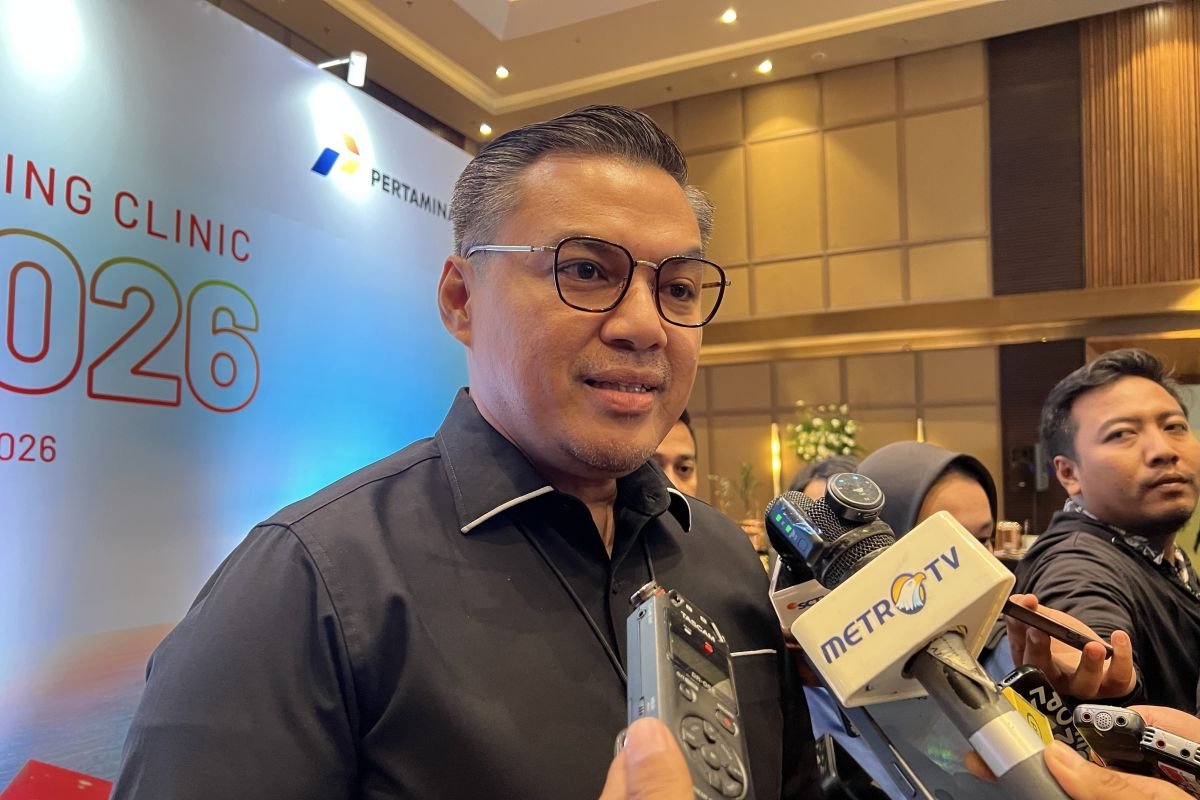
State-owned oil and gas company Pertamina has declared its infrastructure ready to distribute B50 biodiesel nationwide, anticipating President Prabowo Subianto's scheduled launch of the program in early July 2026. This significant policy shift aims to bolster Indonesia's energy independence and reduce reliance on imported fossil fuels.
The B50 mandate represents a pivotal step in Indonesia's long-term energy strategy, leveraging its vast palm oil resources to secure domestic fuel supply and mitigate exposure to volatile global oil markets. This initiative is expected to generate substantial foreign exchange savings and provide a stable market for the national palm oil industry.
Executive Summary
Pertamina's preparedness for the B50 biodiesel rollout underscores Indonesia's aggressive push towards energy self-sufficiency, with the program set to officially commence in early July 2026. The mandate, increasing the biodiesel blend to 50% palm oil, is projected to save Indonesia approximately IDR 157.28 trillion (USD 8.89 billion) in foreign exchange reserves in 2026 alone by significantly cutting fossil diesel imports. This move also aims to stabilize domestic crude palm oil prices and reduce the country's substantial fuel import bill, aligning with broader economic and environmental goals.
What Happened
On July 2, 2026, Pertamina announced its infrastructure, particularly across Java, is prepared for the B50 biodiesel distribution. This announcement precedes the official launch of the B50 program by President Prabowo Subianto, scheduled for early July 2026. The Energy and Mineral Resources Ministry confirmed all sectors are ready, with a three-month transition period for entities holding B40 stocks until September 30, 2026.
Key Developments
- Pertamina Infrastructure Ready: State-owned Pertamina confirms its infrastructure is prepared for nationwide B50 biodiesel distribution.
- July 2026 Launch: President Prabowo Subianto is slated to officially launch the B50 biodiesel program in early July 2026.
- Economic & Energy Impact: The program is estimated to save Indonesia up to IDR 157.28 trillion (USD 8.89 billion) in foreign exchange in 2026 and aims for energy self-sufficiency.
Regional Context
As the world's largest palm oil producer, Indonesia's B50 mandate positions it as a leader in large-scale palm oil-based biodiesel adoption, influencing global vegetable oil and energy markets. This policy also serves as a model for other developing nations seeking to leverage domestic agricultural resources for energy security.
Market Impact
Traders and refiners will observe increased domestic demand for crude palm oil, potentially impacting global CPO prices and trade flows. Analysts will closely monitor Indonesia's diesel import volumes, which are expected to significantly decrease, and the long-term sustainability of palm oil feedstock supply.
Outlook
The successful implementation of B50 will be crucial for Indonesia's energy independence goals, with future developments likely focusing on ensuring sustainable CPO feedstock and addressing technical compatibility challenges. The government's commitment to achieving net-zero emissions by 2060 suggests further renewable energy initiatives are on the horizon.