Nigeria has enacted a new deepwater oil and gas investment framework, a move anticipated to unlock up to $50 billion in capital and significantly boost the nation's upstream sector. This policy shift aims to revitalize stalled offshore projects and enhance Nigeria's competitiveness for global energy investment.
This development is critical for global energy markets as Nigeria, Africa's largest oil producer, seeks to reverse years of underinvestment in its deepwater assets. The new framework signals a more predictable and attractive operating environment, potentially stabilizing and increasing crude supply from a key African producer amidst evolving global energy dynamics.
Executive Summary
President Bola Tinubu has approved a landmark deepwater oil and gas investment framework, designed to attract as much as $50 billion in new capital into Nigeria's offshore sector. This initiative replaces previous project-by-project negotiations with standardized rules, aiming to streamline investment and accelerate development. The Nigerian Upstream Petroleum Regulatory Commission projects 22 major offshore projects between 2026 and 2030, representing a potential investment range of $30 billion to $50 billion.
What Happened
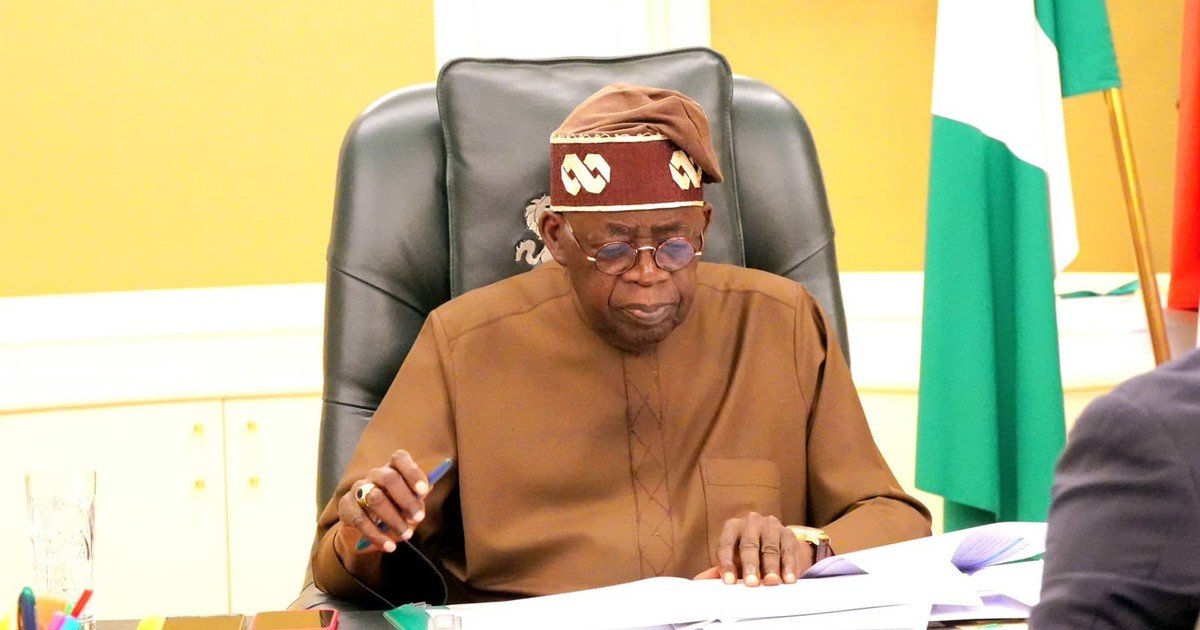
On August 12, 2026, Nigerian President Bola Tinubu approved the Deep Offshore Oil and Gas Projects Incentives (Tax Remission) Order, 2026. This framework, following months of discussions with major oil companies, establishes new fiscal and investment terms for deepwater projects.
Key Developments
- New Investment Framework: President Tinubu approved a new deepwater oil and gas investment framework to attract significant capital.
- Targeted Investment: The framework aims to unlock up to $50 billion in investment for Nigeria's offshore sector.
- Shell Project First: Shell's approximately $10 billion Bonga South West development is expected to be among the first projects to benefit from the new regime.
Regional Context
This policy represents a significant effort by Nigeria to reassert its position as a leading African energy hub, competing with other regional players for crucial upstream investment. It also underscores a broader continental trend towards optimizing regulatory environments to attract foreign direct investment in energy infrastructure.
Market Impact
For traders and analysts, this framework could lead to a more stable and potentially increased supply of Nigerian crude, impacting global benchmarks and regional pricing. Refiners may anticipate more consistent feedstock availability, while the long-term investment signals a renewed confidence in Nigeria's deepwater potential, potentially influencing future exploration and production strategies across the continent.
Outlook
The success of this framework hinges on its consistent implementation and the timely progression of key projects like Bonga South West. Future developments will be closely watched for signs of sustained investment momentum and its tangible impact on Nigeria's production volumes and export capacity.