Morocco has commenced crucial financing discussions with the Export-Import Bank of the United States (US EXIM) and the World Bank for the estimated $26 billion African Atlantic Gas Pipeline (AAGP) project. This development signals a significant step forward for the ambitious continental energy infrastructure, poised to reshape regional gas flows and export capabilities.
The progression of the African Atlantic Gas Pipeline is a pivotal moment for global energy markets, offering a new long-term supply route for natural gas to Europe and bolstering energy security across West Africa. Its successful realization would diversify global gas supply, potentially influencing pricing dynamics and investment strategies in the coming decade.
Executive Summary
Morocco's ambassador to Washington confirmed on July 25 that preliminary financing talks are underway with US EXIM and the World Bank for the African Atlantic Gas Pipeline. This follows the recent signing of an intergovernmental agreement by ECOWAS heads of state, establishing the necessary legal framework for international investment. The 6,800km pipeline, projected to cost $26 billion, aims to transport 30 billion cubic meters of gas annually from Nigeria to Morocco and eventually to Europe, with construction slated to begin in 2028.
What Happened
Morocco officially opened financing discussions with the Export-Import Bank of the United States and the World Bank for the African Atlantic Gas Pipeline. This move came shortly after the Economic Community of West African States (ECOWAS) heads of state signed the intergovernmental agreement for the project in Freetown, providing the legal foundation required by international lenders.
Key Developments
- Financing Discussions Underway: Morocco has initiated talks with US EXIM and the World Bank to secure funding for the $26 billion African Atlantic Gas Pipeline.
- Intergovernmental Agreement Signed: ECOWAS heads of state recently signed the crucial intergovernmental agreement, establishing the legal framework for the pipeline project.
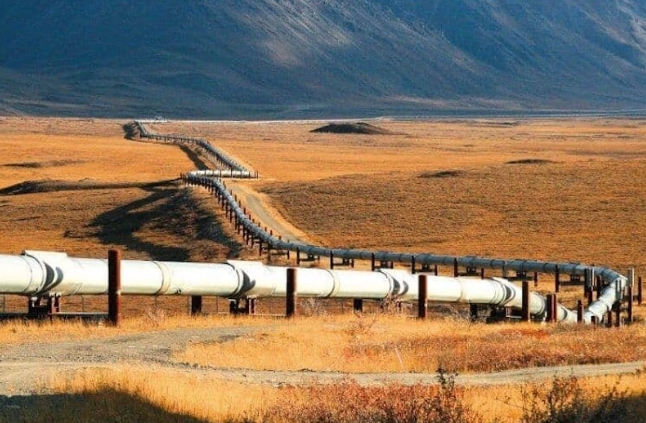
- Massive Infrastructure Project: The 6,800km pipeline will run from Nigeria along the Atlantic coast through 13 countries to Morocco, with connections to Spain and the Sahel.
Regional Context
The African Atlantic Gas Pipeline represents a monumental effort to integrate West African energy markets and provide a direct conduit for natural gas to North Africa and Europe. This project underscores Africa's growing role in global energy supply and its commitment to developing cross-border infrastructure for economic growth and energy security.
Market Impact
For traders and analysts, the pipeline's progress signals a future diversification of gas supply, potentially easing reliance on traditional sources and introducing new pricing benchmarks. Refiners and energy companies will closely watch the development for implications on regional gas availability, industrial feedstock, and the long-term viability of gas-fired power generation across the continent. The project's scale and strategic importance could attract significant foreign direct investment into the participating African nations.
Outlook
With financing talks now active and the legal framework in place, the focus shifts to securing firm commitments and advancing towards the projected 2028 construction start. The successful realization of this pipeline will be a critical indicator of Africa's capacity to execute large-scale, multi-national energy projects.