Nigeria's upstream oil and gas sector is on the cusp of a significant investment surge, signaling a potential recovery from a prolonged downturn. This renewed confidence, fueled by recent policy reforms, positions Africa's largest oil producer to capitalize on shifting global energy trade flows.
The anticipated rebound in Nigerian upstream investment is critical for global energy markets, offering a stable and lower-cost supply alternative amidst geopolitical uncertainties. As major economies seek diversified energy sources, Nigeria's ability to meet its ambitious production targets for oil and gas will directly influence global supply dynamics and pricing stability.
Executive Summary
Gavin Thompson of Wood Mackenzie highlights that Nigeria's Petroleum Industry Act (PIA) and associated fiscal amendments are key drivers restoring investor confidence. The country aims to achieve 3 million barrels per day of oil by 2030 and 10 billion cubic feet per day of gas, ambitious goals now seen as increasingly credible. Deepwater projects are attracting international majors, while Nigerian independents are expanding in shallow-water and onshore opportunities, reinforcing the country's strategic role in the Gulf of Guinea.
What Happened
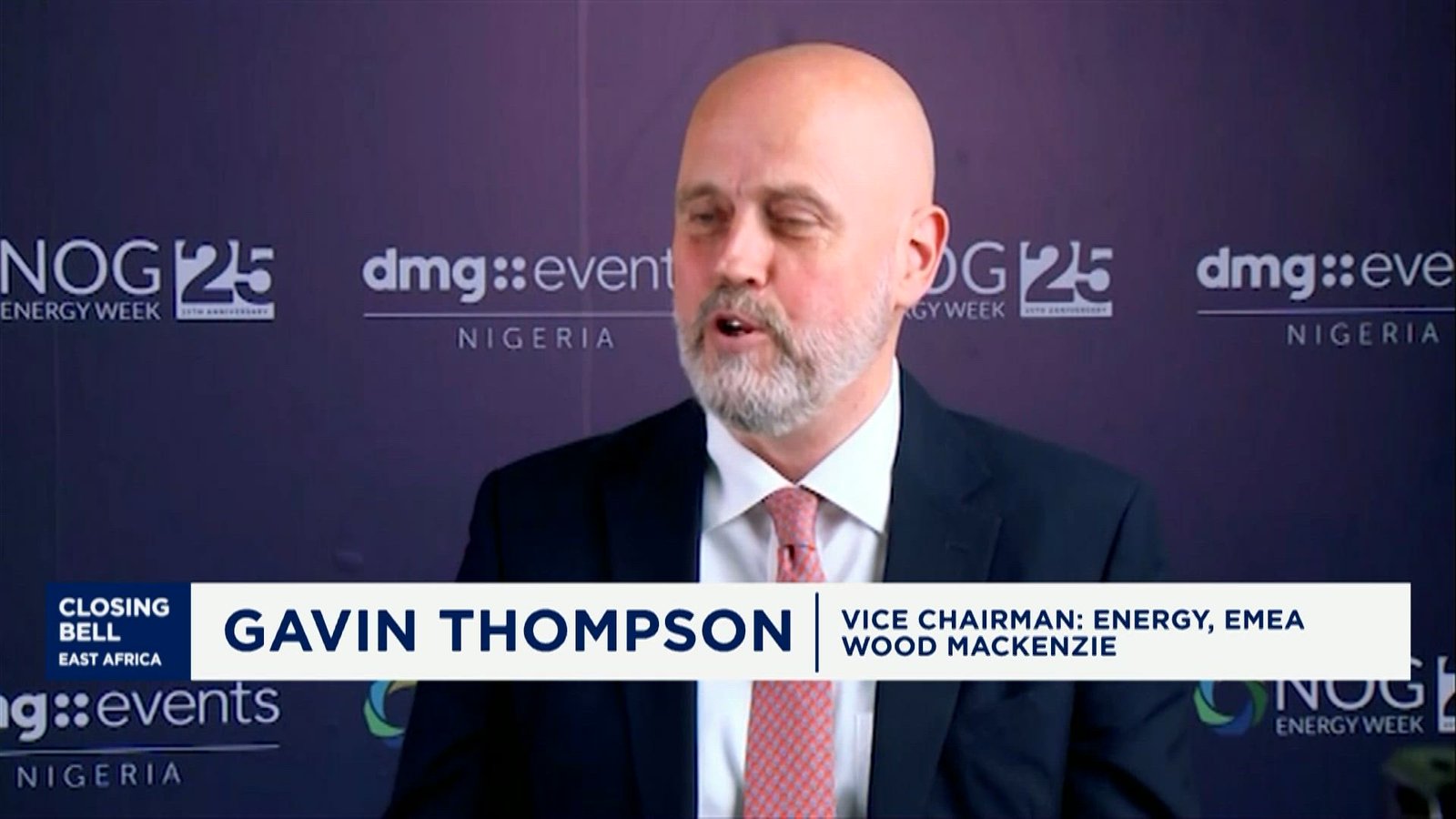
During the Nigeria Oil and Gas Energy Week in Abuja on July 14, 2026, Gavin Thompson, Wood Mackenzie's Vice Chairman for EMEA Energy, stated that Nigeria is poised for a renewed upstream investment cycle. This follows a period of strong investment growth, subsequent slowdown, and is now entering a significant recovery phase driven by the Petroleum Industry Act and fiscal reforms.
Key Developments
- Policy Reforms Drive Confidence: The Petroleum Industry Act (PIA) and related fiscal amendments are key to restoring investor confidence in Nigeria's energy sector.
- Ambitious Production Targets: Nigeria aims for 3 million bpd of oil by 2030 and 10 bcf/d of gas, targets deemed credible with ongoing policy action.
- Diversified Investment Focus: Deepwater projects attract international majors, while Nigerian independents target shallow-water and onshore opportunities.
- LNG Export Potential: Maximizing existing NLNG capacity, advancing Train 7, and exploring FLNG are crucial for Nigeria's long-term LNG strategy.
Regional Context
Nigeria's resurgence as a stable, lower-cost producer positions the Gulf of Guinea as an attractive supply hub, capable of both global crude exports and regional refined product supply. This development is particularly significant as global markets seek to diversify energy sources amid ongoing geopolitical shifts.
Market Impact
Traders and refiners should anticipate increased crude and LNG volumes from Nigeria, potentially easing global supply tightness and influencing benchmark prices. Analysts will closely monitor the translation of policy reforms into tangible production increases and the competitiveness of Nigerian projects against a backdrop of intensifying global competition. The potential for an oversupplied LNG market in the medium term, due to global capacity additions, warrants careful consideration for future pricing.
Outlook
Sustaining this momentum will require Nigeria to maintain competitive fiscal terms, regulatory stability, and transparent infrastructure access. The speed at which these reforms translate into actual barrels, molecules, and export revenues will be decisive for Nigeria's long-term energy market position.