Global natural gas demand is projected to contract by 0.5% in 2026, marking the third annual decline in seven years, as geopolitical disruptions in the Middle East continue to tighten supply and elevate prices. This downturn is primarily attributed to reduced gas consumption in the power generation and industrial sectors across key markets.
The IEA's latest quarterly Gas Market Report underscores the profound impact of the Middle East conflict, particularly the disruptions to LNG shipments through the Strait of Hormuz, on global gas balances. This persistent volatility and supply tightness are reshaping market fundamentals, compelling a re-evaluation of energy strategies worldwide.
Executive Summary
The International Energy Agency's (IEA) Q3 2026 Gas Market Report forecasts a 0.5% contraction in global natural gas demand this year, equivalent to approximately 20 billion cubic meters. This decline, the third in seven years, stems from sustained high prices and significant supply disruptions, notably an almost 80% drop in LNG exports from Qatar and the UAE between March and June 2026 compared to the previous year. While an interim US-Iran agreement has partially eased Strait of Hormuz transit, traffic remains below pre-conflict levels, maintaining market uncertainty and elevated prices in Asia and Europe.
What Happened
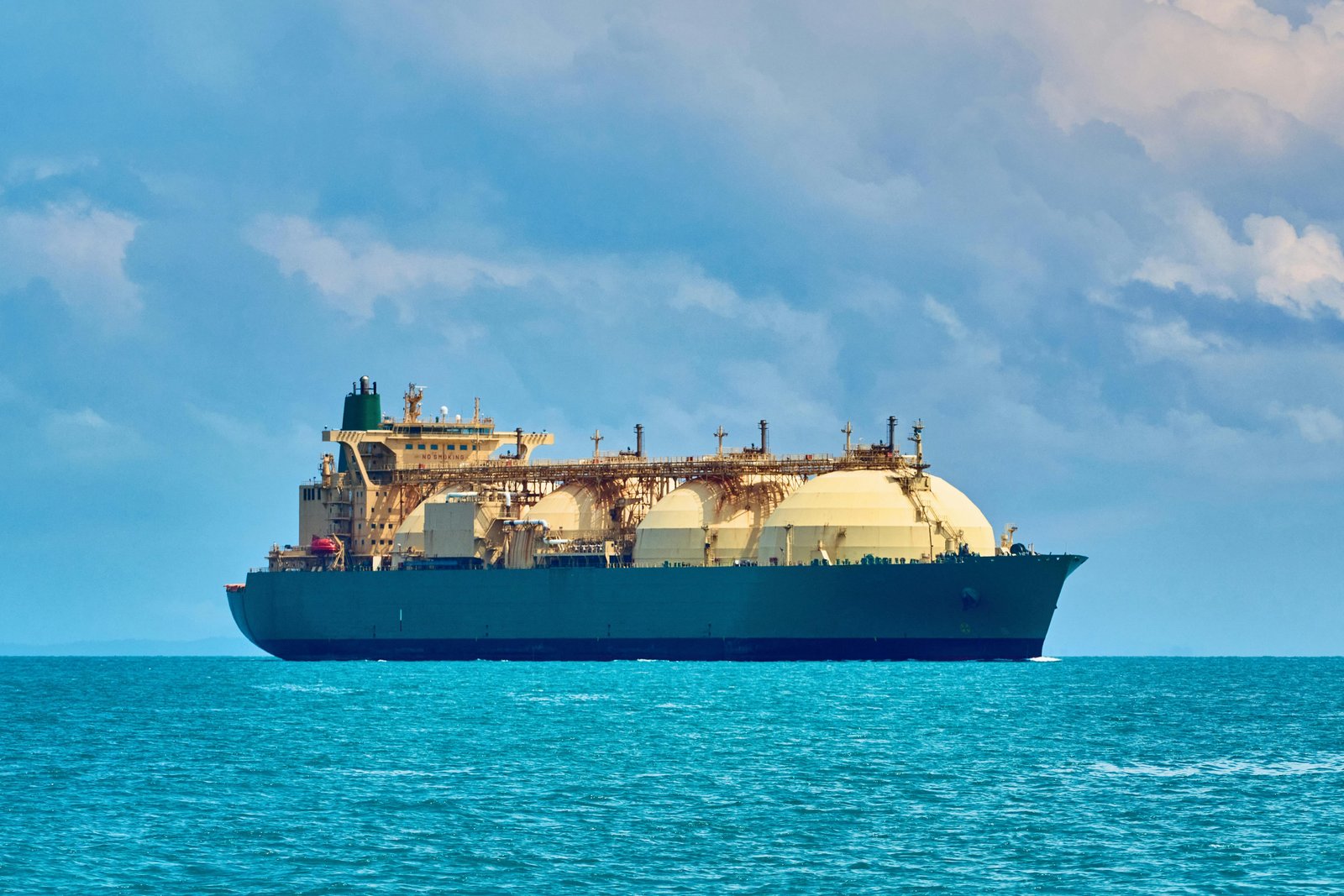
Following the outbreak of conflict in the Middle East in late February, the Strait of Hormuz, a critical conduit for 20% of global LNG supply, experienced severe disruptions. This led to a sharp reduction in LNG exports from Qatar and the United Arab Emirates, alongside damage to regional gas infrastructure, including Qatar's Ras Laffan liquefaction complex. Although an interim agreement in mid-June allowed for a partial reopening, LNG carrier traffic has not returned to pre-conflict volumes.
Key Developments
- Demand Contraction: Global natural gas demand is expected to fall by 0.5% in 2026, the third annual decline this decade following decreases in 2020 and 2022.
- Supply Disruptions: LNG exports from Qatar and the UAE plummeted by nearly 80% from March to June 2026 compared to the same period in 2025 due to Middle East conflict and infrastructure damage.
- Price Volatility: Natural gas prices in Asia and Europe, though moderating from March highs, remain significantly above 2025 levels, with Europe's TTF up 32% and Asia's JKM up 45% year-on-year in Q2.
Regional Context
The Middle East conflict has profoundly impacted regional gas supply and demand, with the Strait of Hormuz disruptions directly affecting global LNG flows. Demand in the Middle East itself is projected to contract by about 4%, the region's first annual decline since 1993, due to tighter supply and damage to gas-intensive industries.
Market Impact
Traders and analysts face continued volatility, with LNG spot prices in Asia and Europe remaining elevated despite some moderation. Refiners and industrial consumers are contending with higher input costs, prompting fuel switching to alternatives like coal in Asia. The IEA warns that prolonged Strait of Hormuz issues could trigger the first annual decline in global LNG supply since 2012, tightening markets through 2027.
Outlook
The outlook for global gas markets hinges on the full restoration of shipping through the Strait of Hormuz and the recovery of Middle Eastern LNG export facilities. Markets are expected to remain tighter than previously anticipated through 2027, necessitating vigilance from market participants.