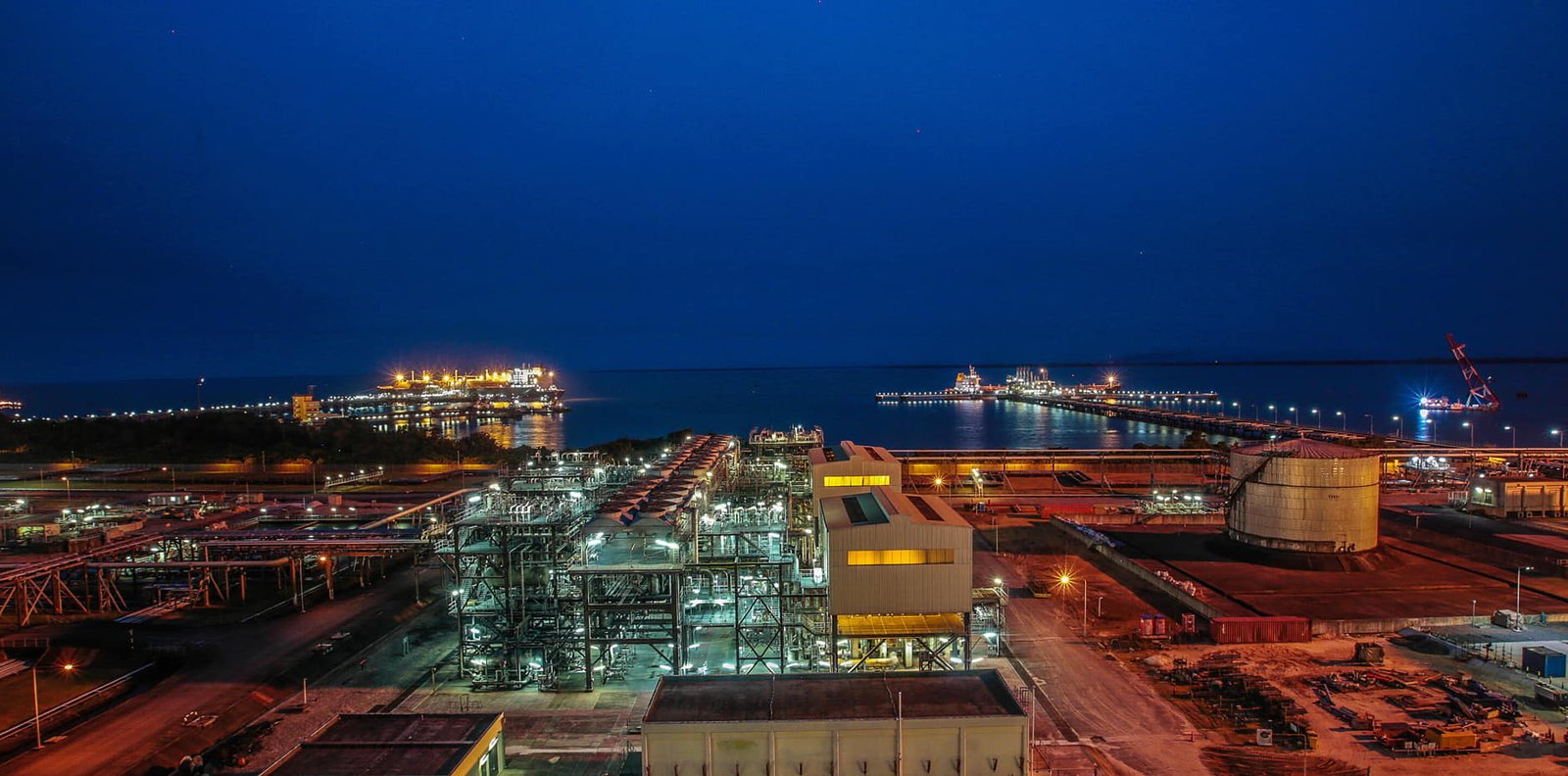
Baker Hughes has secured a significant 13-year lifecycle services agreement with Nigeria LNG (NLNG) to support the critical Train 7 expansion project at its Bonny Island liquefaction plant. This deal is set to boost Nigeria's total LNG production capacity by approximately 35%, from 22 million to 30 million tonnes per annum (MTPA), solidifying its role as a key global energy supplier.
This long-term commitment from a major energy technology provider underscores the renewed confidence and investment flowing into Africa's gas sector, particularly as global markets seek diversified and reliable LNG supplies amidst geopolitical uncertainties. The expansion of NLNG's capacity is crucial for meeting rising international demand and enhancing Nigeria's economic leverage through increased gas monetization.
Executive Summary
The agreement between Baker Hughes and NLNG, extending a two-decade collaboration, focuses on providing comprehensive lifecycle services for turbomachinery equipment at the Bonny Island facility. This includes four heavy-duty gas turbines, associated centrifugal compressors, and two additional gas turbines for power generation, originally supplied in 2021. The Train 7 project is a cornerstone of Nigeria's strategy to significantly expand its LNG exports, aiming for a 30 MTPA total capacity and reinforcing its position among top-tier global LNG producers.
What Happened
On June 30, 2026, Baker Hughes announced a 13-year lifecycle services agreement with Nigeria LNG Limited (NLNG). This agreement is specifically for the turbomachinery equipment at NLNG's Bonny Island liquefaction plant, supporting the ongoing Train 7 expansion project. The deal extends a collaboration that has spanned over two decades between the two entities.
Key Developments
- Capacity Boost: The Train 7 expansion will increase NLNG's total production capacity from 22 MTPA to 30 MTPA, a 35% rise.
- Long-Term Partnership: The 13-year service agreement extends a two-decade collaboration between Baker Hughes and NLNG.
- Critical Equipment Support: Baker Hughes will provide lifecycle services for heavy-duty gas turbines and compressors supplied for Train 7.
Regional Context
This development highlights West Africa's growing importance in the global LNG market, with Nigeria leveraging its vast gas reserves to meet both domestic energy needs and international demand. The expansion contributes to Africa's broader efforts to monetize its natural gas resources and enhance energy security for importing nations.
Market Impact
For global LNG traders and analysts, this expansion signals a more robust and reliable supply stream from Africa, potentially easing market tightness and offering diversification away from other volatile regions. Increased Nigerian LNG volumes will contribute to global supply stability, influencing pricing dynamics and long-term contract negotiations. Refiners, while not directly impacted by LNG, will observe the broader energy market shifts as gas plays a larger role.
Outlook
The successful completion and operational ramp-up of Train 7 will be a key indicator of Nigeria's ability to execute large-scale energy projects and could pave the way for further investments in its gas sector. Future developments in African LNG, particularly in Mozambique and Senegal, will continue to shape the continent's role in global energy supply.