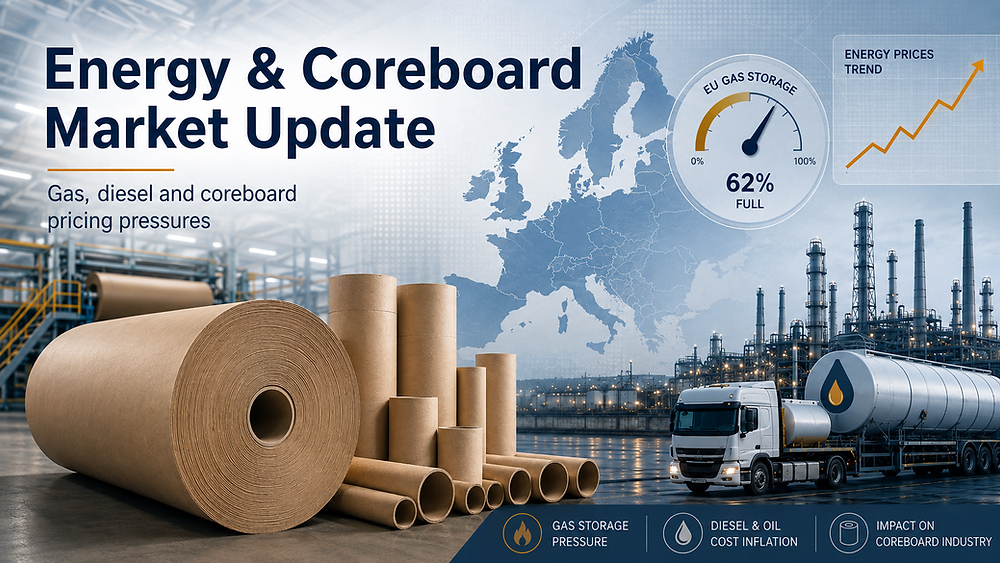
European natural gas prices have surged by over 40% since April, with the benchmark TTF front-month futures trading around €62-64/MWh in mid-August, driven by persistent geopolitical disruptions and tightening market fundamentals. Concurrently, Atlantic Basin diesel refining margins have reached record highs, exacerbating cost pressures across the continent.
This significant escalation in energy costs, fueled by military actions in the Strait of Hormuz and strikes on Qatari LNG facilities, comes as Europe struggles with unusually low gas storage levels ahead of winter. The confluence of supply shocks and high demand is forcing a critical reassessment of energy security and industrial competitiveness across the EU.
Executive Summary
Europe's energy markets are experiencing acute pressure as August 2026 sees a dramatic increase in natural gas prices and record-setting refining margins. Geopolitical instability, particularly military actions impacting the Strait of Hormuz and Qatari LNG exports, has directly disrupted global oil and gas supplies, pushing the Dutch TTF benchmark up by 40-45% since April. This surge is compounded by European gas storage facilities remaining unusually low for this time of year, intensifying concerns over winter supply security and the structural challenges of high energy costs for European industries.
What Happened
Since February 2026, recurring closures and military actions around the Strait of Hormuz, including strikes on Qatari LNG export facilities, have caused direct and dated disruptions to European gas and global oil markets. This geopolitical instability has significantly tightened the market balance, leading to a sharp increase in both natural gas prices and refined product margins across Europe.
Key Developments
- TTF Price Surge: Front-month TTF natural gas prices rose from €43-45/MWh in early April to €62-64/MWh by mid-August 2026, marking a 40-45% increase.
- Record Refining Margins: Atlantic Basin diesel refining margins have reached exceptionally strong, record highs due to surging diesel, jet fuel, and gasoline cracks amid high demand and depleted stocks.
- Geopolitical Disruptions: Military actions in the Strait of Hormuz and strikes on Qatari LNG export facilities are identified as key drivers of supply disruptions in global oil and gas markets.
- Low Gas Storage: European gas storage facilities were approximately 62% full as of August 20, 2026, an unusually low level for this period of the year.
Regional Context
Europe's reliance on global LNG markets and its ongoing efforts to diversify away from Russian energy sources make it particularly vulnerable to supply shocks originating from critical chokepoints like the Strait of Hormuz. The sustained high energy costs are posing a structural problem for European industries, impacting their competitiveness.
Market Impact
Traders are navigating a highly volatile market, with geopolitical events rapidly repricing natural gas and refined products. Refiners are benefiting from strong margins on middle distillates but face challenges from high crude prices and weak gasoline economics. Analysts are closely monitoring storage levels and geopolitical developments for indicators of winter supply security and potential further price spikes.
Outlook
The market anticipates continued volatility as Europe approaches winter with constrained gas storage and persistent geopolitical risks in key energy transit regions. The interplay between energy security concerns, industrial demand, and the effectiveness of EU energy policies will dictate price trajectories and supply stability in the coming months.