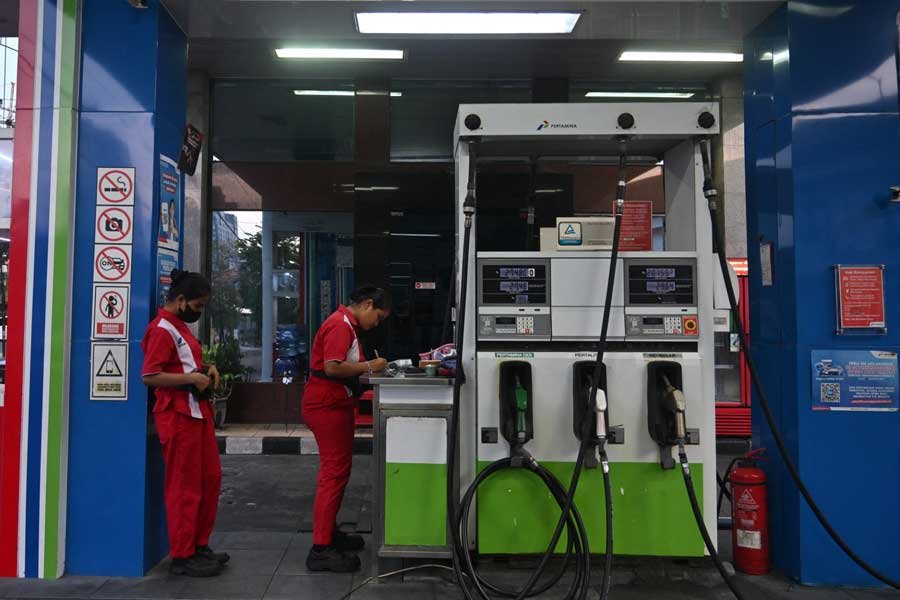
Indonesia's government is actively exploring measures to restrict the sale of subsidized Pertalite RON 90 gasoline to luxury vehicle owners and high-income households, signaling a significant shift in domestic fuel policy. This move aims to rein in escalating fuel subsidy costs that have strained the state budget amidst volatile global oil prices.
This policy consideration is critical for Indonesia's energy markets as it directly impacts demand for subsidized fuels, potentially altering consumption patterns and reducing the financial burden on state-owned Pertamina. The proposed curbs reflect a broader governmental effort to rationalize energy subsidies, which have historically distorted market signals and diverted funds from other essential sectors.
Executive Summary
Jakarta is deliberating a policy to bar the top 20 percent of households, including luxury car owners, from purchasing subsidized Pertalite RON 90 gasoline. Finance Minister Purbaya Yudhi Sadewa announced the government's intent to target households in deciles 9 and 10 of the National Socioeconomic Single Data (DTSEN) to manage the rising cost of fuel subsidies. This initiative follows years of consideration, particularly after global oil price surges and rupiah depreciation in 2022 pushed subsidy expenditures well above budgeted levels. While the government has pledged to maintain Pertalite prices, it seeks alternative strategies to control subsidy outlays and improve fiscal health.
What Happened
On August 13, 2026, Finance Minister Purbaya Yudhi Sadewa revealed that the Indonesian government is considering new restrictions on subsidized fuel. The proposed policy would prevent households in the top two socioeconomic groups, specifically luxury car owners, from buying Pertalite RON 90 gasoline. This discussion comes after previous proposals to limit subsidized fuel purchases based on vehicle type and engine capacity, driven by soaring global oil prices and a depreciating rupiah in recent years.
Key Developments
- Subsidy Curbs Proposed: Indonesia's government is mulling restrictions on subsidized Pertalite gasoline for high-income households and luxury car owners.
- Fiscal Strain Alleviation: The policy aims to reduce the significant financial burden of fuel subsidies on the state budget, which has been exacerbated by global oil price volatility.
- Pertamina's Role: State-owned Pertamina, as the primary distributor of subsidized fuels, would be responsible for implementing and verifying eligibility for these new purchasing restrictions.
Regional Context
Across Southeast Asia, governments frequently grapple with the economic and political complexities of energy subsidies. Indonesia's move to target specific consumer segments for subsidized fuel reflects a regional trend towards more targeted and fiscally responsible energy policies, balancing social welfare with economic sustainability.
Market Impact
For traders and refiners, this policy could lead to a marginal shift in demand from subsidized Pertalite to higher-octane, non-subsidized fuels, potentially boosting sales of products like Pertamax. Analysts will closely monitor the implementation details and their effectiveness in curbing overall fuel consumption and reducing Pertamina's subsidy compensation requirements. The long-term impact could include a more market-reflective pricing structure for a segment of the population.
Outlook
The government's final decision and the mechanism for implementing these curbs will be crucial to watch, as they will determine the actual impact on domestic fuel consumption and the state budget. Future policy adjustments are likely to continue focusing on subsidy rationalization while navigating public purchasing power concerns.