Europe is grappling with the complex reality of phasing out Russian gas and LNG imports, even as significant volumes continue to flow via the TurkStream pipeline, underscoring the persistent challenges to achieving full energy independence. This delicate balance is further strained by historically low gas storage levels and the continent's fifth heatwave, threatening price volatility and supply security.
This story matters now as the EU's ambitious legal framework to sever ties with Russian energy confronts the practicalities of ongoing supply needs and geopolitical realities. The continued reliance on Russian gas, despite escalating sanctions and phase-out deadlines, highlights the deep structural dependencies that continue to shape European energy markets and influence benchmark prices like TTF.
Executive Summary
The European Union has enacted a legal framework to progressively eliminate Russian gas and LNG imports, with short-term pipeline gas contracts prohibited since June 17, 2026, and short-term LNG contracts banned from April 25, 2026. Despite these measures, Russian pipeline gas via TurkStream rebounded in July 2026, reaching 45.7 million cubic meters per day, primarily serving Hungary and Serbia. This continued reliance means Russian gas still constitutes 12.7% of total EU gas imports, complicating the bloc's energy transition efforts.
What Happened
The EU adopted a legal framework to phase out Russian gas and LNG imports, setting a timetable for restrictions. Short-term pipeline gas contracts were prohibited from June 17, 2026, and short-term LNG contracts from April 25, 2026. Concurrently, Gazprom's gas exports to the EU through the TurkStream pipeline saw a strong rebound in July 2026, increasing 35% from June.
Key Developments
- EU Phase-Out Deadlines: The EU's legal framework prohibits short-term pipeline gas contracts from June 17, 2026, and short-term LNG contracts from April 25, 2026, with full phase-outs by late 2027.
- TurkStream Flows Persist: Gazprom's gas exports to the EU via TurkStream rebounded significantly in July 2026, with average daily flows rising to 45.7 mcm/d, primarily to Hungary and Serbia.
- Ongoing Russian Dependence: Russian pipeline gas and LNG still account for 12.7% of total EU gas imports, making a complete phase-out challenging without risking substantial energy import cost increases.
Regional Context
The European energy landscape remains highly sensitive to geopolitical tensions and supply dynamics, particularly with ongoing reliance on Russian gas for certain member states. The EU's efforts to diversify supply and reduce dependence are critical against a backdrop of regional heatwaves and low storage levels.
Market Impact
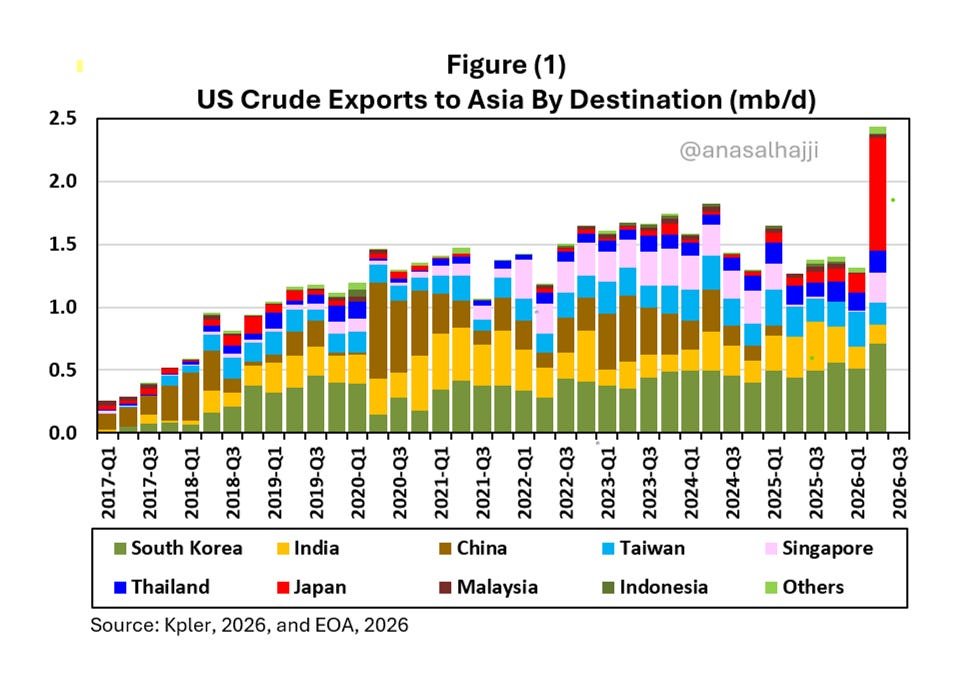
Traders and analysts are closely monitoring the delicate balance between EU sanctions and the persistent flow of Russian gas, which continues to influence TTF benchmark prices and overall market sentiment. Refiners face indirect impacts from broader energy market volatility and the shifting global crude flows as Asian refiners increasingly turn to US oil amidst Middle East disruptions.
Outlook
The coming months will test Europe's resolve in enforcing its gas phase-out deadlines, with potential for continued price volatility if storage levels remain low and demand surges due to extreme weather. The long-term outlook hinges on successful diversification strategies and the EU's ability to manage the economic implications of a complete Russian energy severance.