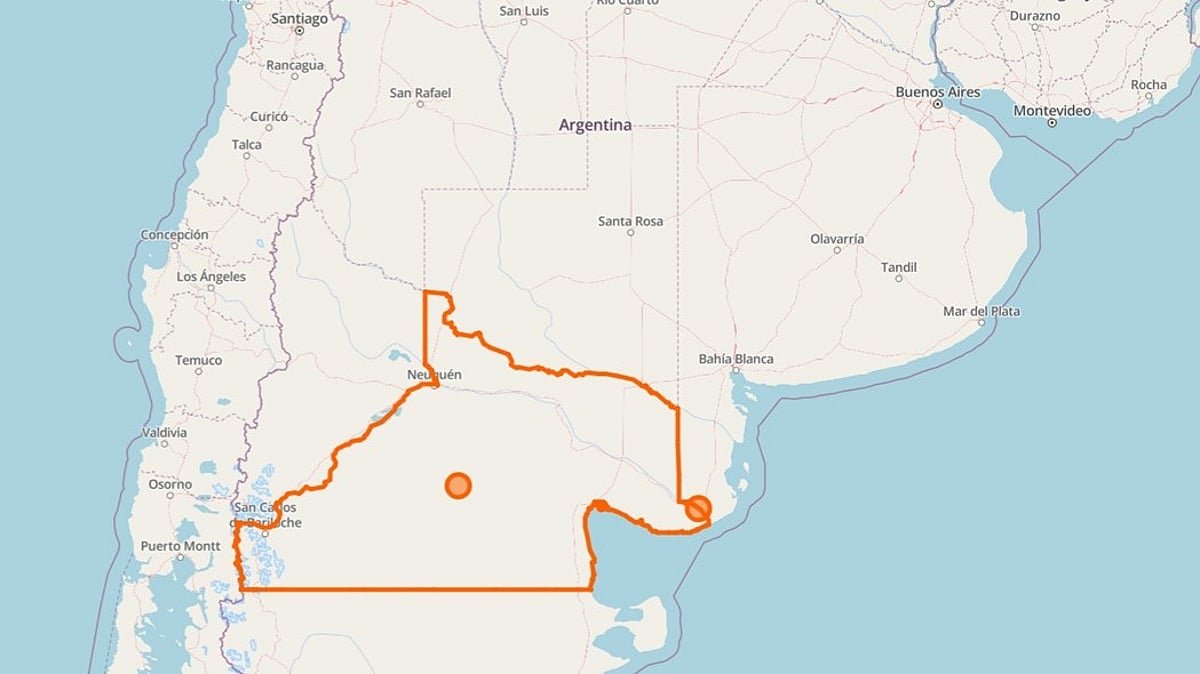
Argentina is poised to significantly increase its shale oil exports, with a new pipeline project from the Vaca Muerta formation expected to commence shipments of 180,000 barrels per day (bpd) by January. This strategic infrastructure development will bolster the nation's energy trade balance and solidify its position as a key oil exporter in the Americas.
This development is critical for global energy markets as it introduces a substantial new source of crude supply from a non-OPEC nation, potentially influencing regional pricing dynamics and offering diversification for international buyers. The project underscores the growing importance of Latin American shale resources in meeting global demand, especially amidst ongoing geopolitical uncertainties affecting traditional supply routes.
Executive Summary
Argentine oil company YPF and its consortium partners are advancing the VMOS project, a 437-kilometer pipeline designed to transport crude from the Vaca Muerta shale formation to an Atlantic port in Rio Negro province. Initial exports of 180,000 bpd are slated for January, rapidly escalating to 360,000 bpd by mid-2027 and 550,000 bpd in 2028, with potential for further expansion to 700,000 bpd. This expansion is projected to significantly enhance Argentina's energy trade surplus, estimated to reach $11 billion in 2026, driven by rising global oil prices.
What Happened
Argentine oil company YPF announced on Wednesday, August 12, 2026, that the VMOS consortium expects to begin exporting 180,000 bpd of Vaca Muerta shale oil from January via a new pipeline to an Atlantic port. The project involves a 437-kilometer pipeline connecting the Neuquen province's Vaca Muerta formation to a port in Rio Negro province. This initiative aims to leverage one of the world's largest shale oil reserves to boost national exports.
Key Developments
- Export Surge: Argentina's Vaca Muerta shale oil exports are projected to reach 550,000 bpd by 2028 via a new pipeline.
- Economic Boost: The project is expected to significantly increase Argentina's energy trade surplus, potentially reaching $11 billion in 2026.
- Infrastructure Development: A 437-kilometer pipeline will transport crude from the Vaca Muerta formation to an Atlantic port for export.
Regional Context
The Vaca Muerta project positions Argentina as a more prominent player in the Americas' energy landscape, offering a new source of crude exports that can serve both regional and international markets. This expansion contributes to the broader trend of increasing energy independence and export capabilities within the Western Hemisphere.
Market Impact
Traders and refiners will closely monitor the ramp-up of Argentine crude exports, as the additional supply could exert downward pressure on regional crude benchmarks or provide a more stable alternative to Middle Eastern supplies. Analysts will integrate these new volumes into global supply-demand models, particularly noting the impact on Latin American crude differentials and overall market liquidity.
Outlook
Future expansions beyond 550,000 bpd are already under consideration, indicating a long-term commitment to maximizing Vaca Muerta's export potential. The success of this project could spur further investment in Latin American unconventional resources, reshaping regional energy trade flows for years to come.