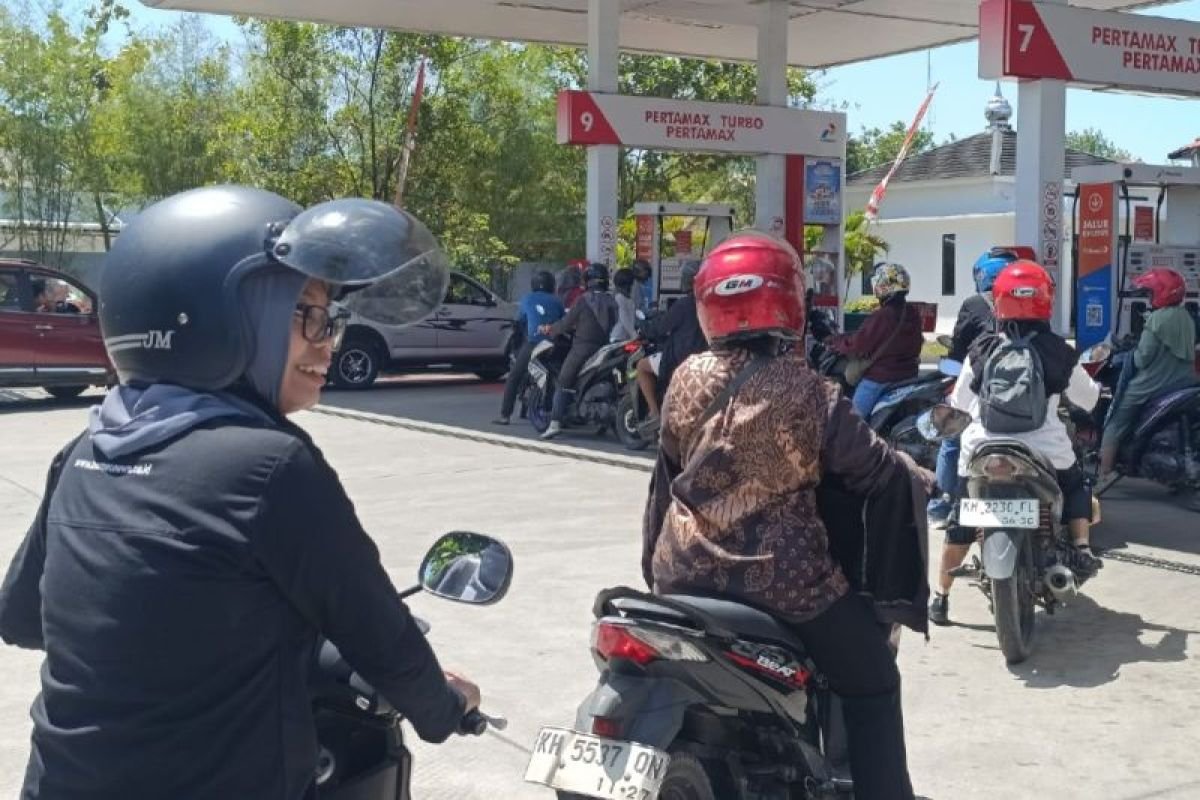
Indonesia's government has committed to maintaining the price of subsidized Pertalite gasoline through December 2026, leveraging its fiscal buffer to shield consumers from elevated global crude oil prices. State energy company Pertamina has concurrently lowered prices for several non-subsidized fuels, effective August 1, responding to improved market conditions.
This policy decision underscores Indonesia's strategic efforts to balance energy affordability for its populace with fiscal stability amidst persistent international market volatility, particularly as the B50 biodiesel mandate gains traction in bolstering energy security and reducing import dependence.
Executive Summary
Coordinating Minister for Economic Affairs Airlangga Hartarto confirmed that President Prabowo Subianto instructed the government to keep subsidized fuel prices unchanged, despite global crude oil market fluctuations. This commitment ensures Pertalite remains at Rp10,000 (US$0.61) per liter and Biosolar at Rp6,800 (US$0.42) per liter. Meanwhile, Pertamina has reduced prices for non-subsidized fuels like Pertamax, Pertamax Green 95, and Pertamax Turbo, reflecting a responsive approach to market dynamics and easing global oil prices.
What Happened
On August 5, 2026, Coordinating Minister Airlangga Hartarto announced the government's decision to maintain subsidized Pertalite prices until December, backed by the state budget. This followed Pertamina's earlier move on August 1 to lower prices for non-subsidized fuels, including Pertamax, Pertamax Green 95, and Pertamax Turbo, in response to easing global oil prices. The government is also considering adjustments to non-subsidized fuel prices if the Indonesia Crude Price (ICP) declines further.
Key Developments
- Subsidized Price Freeze: Pertalite gasoline prices will remain at Rp10,000/liter and Biosolar at Rp6,800/liter through December 2026, supported by the state's fiscal buffer.
- Non-Subsidized Reductions: Pertamina lowered prices for Pertamax, Pertamax Green 95, and Pertamax Turbo effective August 1, 2026, due to improved global market conditions.
- B50 Mandate Benefits: The B50 biodiesel program is expected to reduce diesel import dependence, enhance resilience against global price swings, and lower the fiscal burden of energy subsidies.
Regional Context
Indonesia's commitment to stable domestic fuel prices, particularly for subsidized products, is a critical policy lever in Southeast Asia, where energy subsidies often play a significant role in managing inflation and social stability. The B50 mandate further positions Indonesia as a leader in biofuel adoption within the region, leveraging its vast palm oil resources to bolster energy security.
Market Impact
Traders and analysts will closely monitor the fiscal implications of maintaining subsidized fuel prices, especially if global crude oil prices remain elevated or rise further, potentially straining the state budget. The B50 mandate's success in curbing diesel imports could also influence regional demand for refined products and global palm oil markets, affecting commodity prices.
Outlook
The government will continue to assess non-subsidized fuel prices based on the Indonesia Crude Price (ICP) and global market trends, while the long-term effectiveness of the B50 program in achieving energy independence and reducing subsidy requirements will be a key watchpoint.