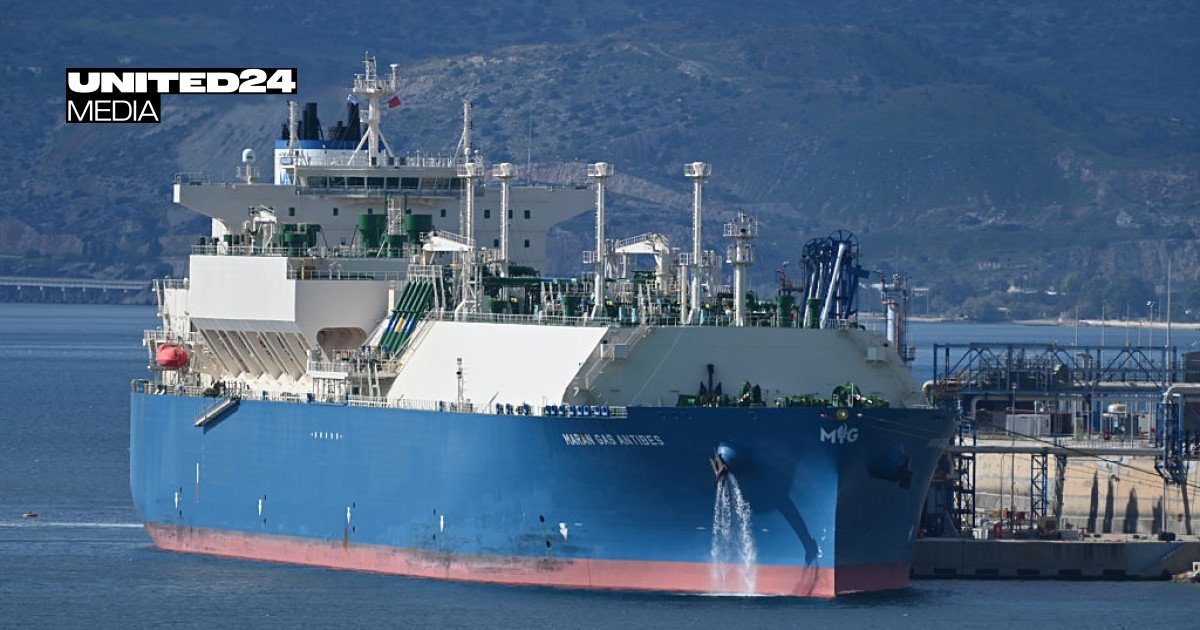
Belgium's liquefied natural gas (LNG) imports in July were entirely sourced from Russia, a development that significantly complicates the European Union's impending ban on Russian gas. This unexpected reliance stems from severe disruptions to alternative European supply routes due to the ongoing conflict in the Middle East, pushing prices higher and stalling winter stockpiling efforts.
This development underscores the fragility of Europe's energy security strategy, as geopolitical tensions force a temporary but significant reversal in the bloc's efforts to diversify away from Russian fossil fuels. It highlights the immediate market consequences of Middle East instability on global LNG flows and Europe's vulnerability to supply shocks, even as the EU aims for a full Russian gas phase-out.
Executive Summary
In July, Belgium, historically Europe's fifth-largest LNG importer, sourced approximately 0.4 million tons of liquefied natural gas exclusively from Russia. This full dependence occurred despite the EU's policy to prohibit short-term Russian LNG deals since April 2026 and a full ban slated for 2027, driven by shipping bottlenecks in the Strait of Hormuz. The situation led European importers to temporarily halt winter stockpiling, contributing to European gas storage reserves dropping to their lowest seasonal levels since 2009. This reliance on Russian supplies complicates the EU's broader energy diversification goals and raises concerns about the feasibility of the upcoming ban if Middle Eastern routes remain compromised.
What Happened
In July, Belgium's total LNG shipments dropped over 40% year-on-year, with all 0.4 million tons imported coming solely from Russia. This occurred as shipping disruptions in the Strait of Hormuz, exacerbated by the Middle East conflict, severely impacted alternative LNG supply routes to Europe. The EU had previously prohibited short-term Russian LNG deals since April 2026, ahead of a full ban effective January 1, 2027.
Key Developments
- Full Russian Reliance: Belgium's July LNG imports were 100% from Russia, totaling approximately 0.4 million tons.
- Middle East Disruption: Shipping bottlenecks in the Strait of Hormuz severely disrupted alternative LNG routes to Europe.
- EU Policy Complication: The unexpected reliance on Russian LNG complicates the EU's impending full ban on Russian gas by January 2027.
- Storage Levels Drop: European gas storage reserves have fallen to their lowest seasonal levels since 2009, partly due to stalled stockpiling.
Regional Context
The situation in Belgium reflects a broader European challenge, where the continent's energy security remains vulnerable to geopolitical conflicts, particularly in the Middle East, even as it attempts to decouple from Russian energy. This reliance on Russian LNG highlights the complex interplay between sanctions, global supply chain disruptions, and the immediate energy needs of EU member states.
Market Impact
For traders, the re-routing of LNG cargoes and increased reliance on Russian supply signals continued price volatility and shifts in procurement strategies. Refiners face indirect impacts from higher energy costs and potential disruptions to crude and product flows if geopolitical tensions escalate further. Analysts will closely monitor the EU's ability to enforce its Russian LNG ban amidst ongoing supply challenges and the pace of winter stockpiling.
Outlook
The coming months will test the EU's resolve to implement its full Russian gas ban, with the feasibility heavily dependent on the stability of Middle Eastern shipping routes and the availability of alternative LNG supplies. Continued monitoring of European gas storage levels and global LNG market dynamics will be crucial as the heating season approaches.