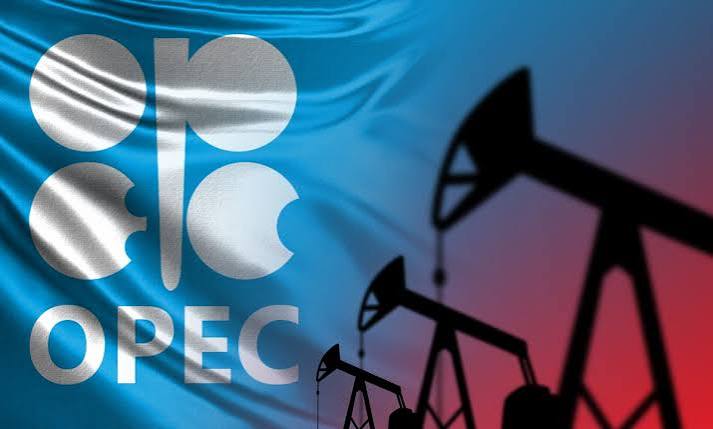
OPEC+ is poised to halt its planned oil production increases for three months starting in October, a decision that will keep approximately 2 million barrels per day (bpd) of existing cuts in place through the end of 2026. This move comes as the alliance navigates persistent market uncertainties, including the impact of ongoing Middle East conflicts on supply and demand dynamics.
The anticipated pause in output hikes signals OPEC+'s cautious approach to global oil market stability, prioritizing supply management amidst geopolitical tensions and revised demand outlooks. This strategy aims to prevent a potential market oversupply in early 2027, as projected by the International Energy Agency, while acknowledging current supply disruptions from the Middle East.
Executive Summary
OPEC+ ministers are set to approve a final 188,000 bpd output increase for September, completing the reversal of 1.65 million bpd in voluntary cuts initiated in 2023. However, sources indicate no further increases are expected for the remainder of 2026, effectively extending the retention of 2 million bpd in cuts. This decision reflects the group's assessment of market fundamentals, which are heavily influenced by the ongoing conflict involving Iran and its impact on Middle Eastern oil exports and global supply.
What Happened
On July 29, 2026, Reuters reported that OPEC+ is preparing to pause oil production increases after September, with a meeting scheduled for August 2 to approve a final 188,000 bpd hike for September. This follows a series of monthly increases agreed for June, July, and August, which aimed to reverse 1.65 million bpd in voluntary cuts from 2023. The decision is largely driven by disruptions to Middle Eastern supply due to the conflict involving Iran.
Key Developments
- Production Pause: OPEC+ will likely pause monthly oil output increases from October 2026 through year-end.
- Sustained Cuts: This pause will maintain approximately 2 million bpd of OPEC+ production cuts in place.
- Geopolitical Influence: The decision is heavily influenced by supply disruptions stemming from the ongoing Middle East conflict involving Iran.
Regional Context
The Middle East remains a critical flashpoint, with the ongoing conflict involving Iran significantly disrupting oil exports from several producers and impacting the effective spare capacity of OPEC+. The stability of oil flows through the Strait of Hormuz is a key factor influencing global supply projections and OPEC+'s strategic decisions.
Market Impact
Traders and analysts will closely monitor the effective implementation of the OPEC+ pause, as it aims to stabilize prices by preventing an anticipated market surplus in 2027. The sustained cuts, coupled with geopolitical supply risks, are likely to keep benchmark crude prices supported, though volatility remains high due to the unpredictable nature of the Middle East conflict. Refiners may face continued challenges in securing consistent feedstock if regional disruptions persist.
Outlook
The market's focus will now shift to the actual supply-demand balance in late 2026 and early 2027, particularly how the IEA's projected 2027 surplus materializes against the backdrop of sustained OPEC+ cuts and the evolving geopolitical landscape in the Middle East. The upcoming OPEC+ discussions on new production quotas for January 2027 will be crucial.