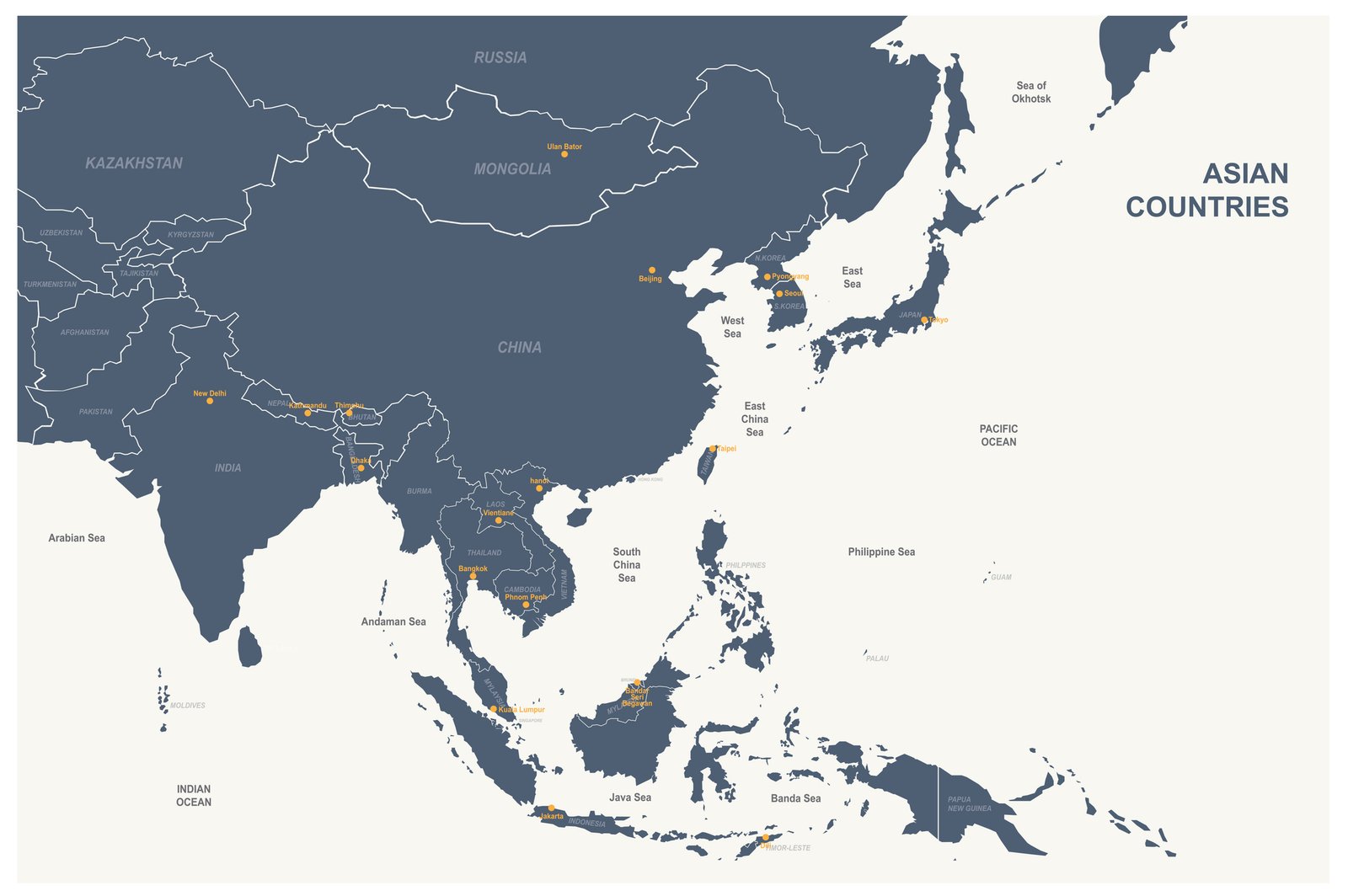
Asia is rapidly redefining the global energy landscape, driven by surging demand from China, India, and Southeast Asia, which is fundamentally altering traditional crude oil and liquefied natural gas (LNG) trade flows. This transformation is compelling significant investment in new regional refining and import infrastructure, marking a pivotal shift in global energy power dynamics.
The ongoing structural shifts in Asia, characterized by robust economic growth and urbanization, are creating an interconnected and volatile energy market where understanding these dynamics is crucial for investors and market participants. The region's increasing energy consumption is reshaping global supply-demand balances and redirecting commodity flows, making Asia the primary driver of incremental global energy demand.
Executive Summary
China, India, and Southeast Asia collectively account for the majority of new global energy demand, fueling substantial investments in refining, petrochemicals, and LNG import/export terminals across the region. This demographic and economic growth is redirecting crude oil cargoes from traditional Western markets towards Asian refiners and rerouting LNG supplies to meet the region's burgeoning needs. Geopolitical uncertainties, particularly concerning critical chokepoints like the Strait of Hormuz and security concerns in the Red Sea, further complicate these evolving trade corridors, introducing new layers of market volatility.
What Happened
The global energy landscape is undergoing an unprecedented transformation, with Asia at its core, driven by shifting geopolitical dynamics, evolving trade corridors, and changing production policies. This has led to crude oil flows increasingly destined for Asian refiners and LNG cargoes being redirected to buyers across the region. Investment in new energy infrastructure, including refineries and LNG terminals, is now primarily following Asian demand.
Key Developments
- Demand Surge: China, India, and Southeast Asia drive the majority of new global energy demand.
- Trade Redirection: Crude oil and LNG cargoes are increasingly flowing to Asian markets, away from traditional Western destinations.
- Infrastructure Investment: Significant capital is being deployed in new Asian refineries, petrochemical complexes, and LNG import/export terminals.
Regional Context
Asia's growing influence stems from both economic and demographic factors, with urbanization, industrial expansion, and rising living standards increasing the need for reliable and affordable energy across the continent. Geopolitical developments, including the Strait of Hormuz and Red Sea security concerns, are adding complexity and volatility to regional trade routes and supply chains.
Market Impact
For traders, refiners, and analysts, these shifts mean a re-evaluation of traditional market models, with increased focus on Asian demand centers and the implications of longer, more complex supply chains. The redirection of crude and LNG flows, coupled with geopolitical risks, is creating heightened price volatility and new arbitrage opportunities.
Outlook
The defining characteristic of the future energy market will be the growing complexity of the global system, necessitating resilient infrastructure and diversified market exposure for companies to thrive amidst continued evolution of global trade patterns.