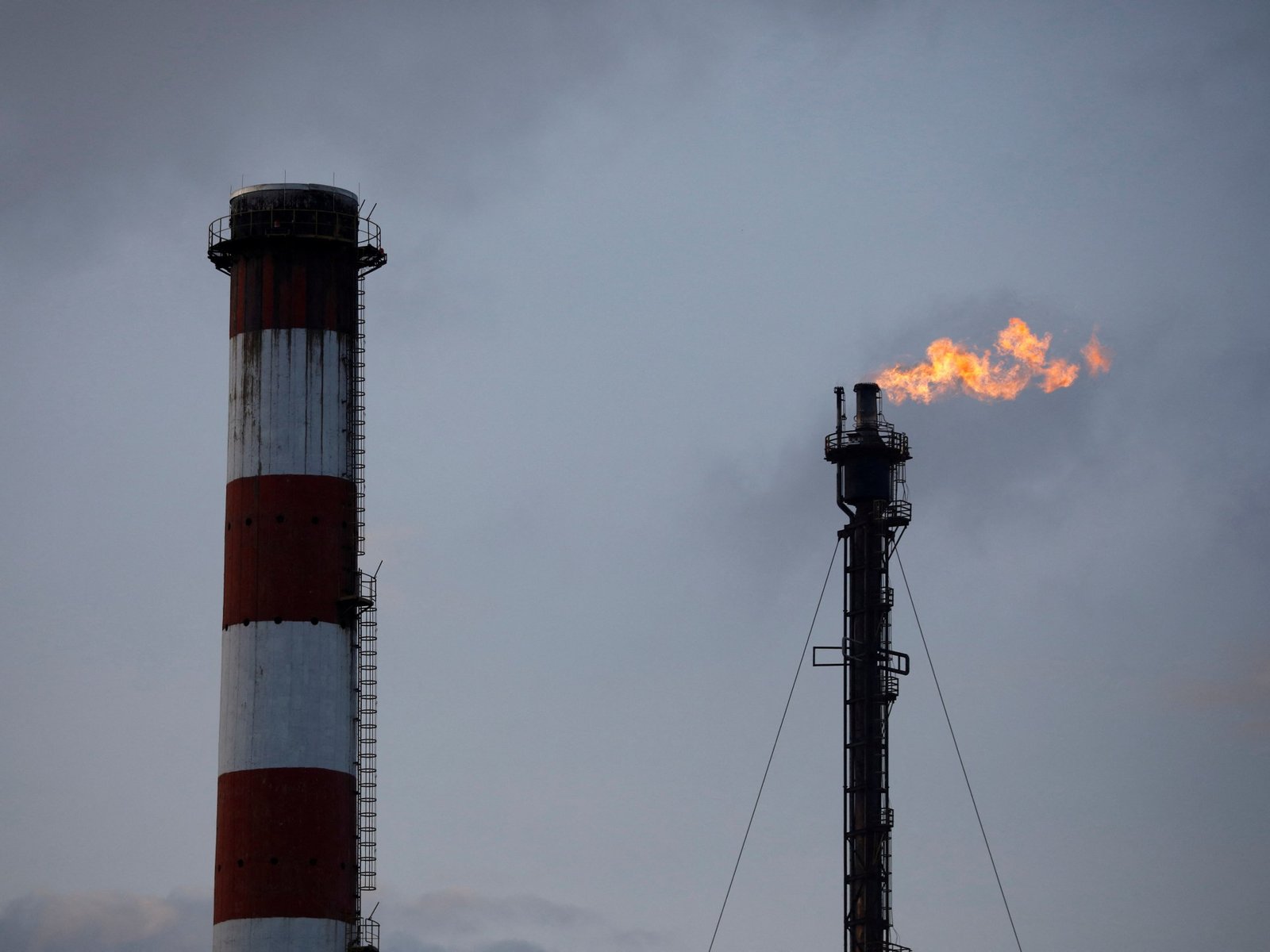
The European Union has recommended a temporary suspension of penalties for oil and gas companies breaching its methane emissions standards, a critical policy shift driven by escalating concerns over energy supply security. This decision, influenced by significant pressure from the United States and other gas-producing nations, aims to mitigate potential disruptions amidst a global energy crisis exacerbated by the US-Iran conflict.
This policy reversal underscores Europe's precarious energy position, where immediate supply concerns and geopolitical realities, particularly the blockade of the Strait of Hormuz, are overriding long-term environmental commitments. The suspension highlights the difficult balancing act between climate goals and ensuring stable energy flows for the continent.
Executive Summary
The European Commission has advised member states to waive penalties for oil and gas firms violating methane emission rules between 2027 and 2030, a move that prioritizes immediate energy security over environmental compliance. This recommendation stems from a tight global energy market, intensified by the US-Iran war and the ongoing blockade of the Strait of Hormuz, which has raised fears of supply shortages. The original EU Methane Regulation, slated for early next year, would have imposed substantial fines, but lobbying from key energy partners and some EU members highlighted the risks to Europe's energy supply.
What Happened
On July 20, 2026, the European Commission formally recommended that EU member states suspend penalties for oil and gas companies failing to meet methane emission standards from 2027 to 2030. This decision follows intense lobbying from the United States, Algeria, Nigeria, and Qatar, alongside several EU member states, who warned of potential disruptions to Europe's oil and gas supply if the penalties were enforced.
Key Developments
- Methane Penalty Suspension: The EU recommends waiving penalties for oil and gas firms breaching methane emission standards from 2027-2030 to ensure energy supply.
- Energy Security Priority: The decision prioritizes securing energy supply amidst global market tightness and geopolitical tensions, particularly the US-Iran conflict.
- US Pressure Influence: The United States, along with other gas-producing nations, actively lobbied the EU to delay the environmental regulations.
- Strait of Hormuz Impact: Restricted shipping through the Strait of Hormuz due to US-Iran tensions is a key factor in Europe's supply concerns.
Regional Context
Europe's energy landscape remains highly vulnerable to external shocks, particularly from the Middle East, as its reliance on LNG imports has grown following the reduction of Russian pipeline gas. The current geopolitical instability in the Persian Gulf directly impacts Europe's ability to secure vital energy supplies.
Market Impact
Traders and refiners will likely interpret this as a signal that energy security will continue to take precedence over certain environmental regulations in the short to medium term, potentially easing some operational cost pressures related to methane abatement. Analysts will closely monitor the implications for future EU climate policy and the ongoing competition for global LNG cargoes, especially with robust Asian demand.
Outlook
While the immediate focus is on winter supply, the long-term trajectory of EU energy policy will depend on the evolution of geopolitical conflicts and the success of diversification efforts. Future policy adjustments will likely balance climate ambitions with the imperative of maintaining stable and affordable energy access.