Indonesia has officially halted all diesel imports as of July 2026, a significant stride towards national energy independence, President Prabowo Subianto announced. This landmark achievement is attributed to the successful development and implementation of the country's B50 palm oil-based biodiesel program.
This policy shift is a pivotal moment for Indonesia's energy sector, demonstrating a robust commitment to leveraging domestic agricultural resources to reduce reliance on foreign fuel and bolster economic resilience. It signals a strategic reorientation that will impact global diesel trade flows and reinforce the importance of sustainable biofuel development in emerging markets.
Executive Summary
President Prabowo Subianto declared Indonesia's complete cessation of diesel imports starting July 2026, a direct result of the nation's successful B50 palm oil-based biodiesel program. Speaking at a harvest festival, Prabowo highlighted Indonesia's global pioneering role in producing a 50 percent palm oil-based diesel blend, emphasizing the economic benefits of circulating funds domestically. The government is also accelerating its energy self-sufficiency program by developing E10 bioethanol, with plans to scale up to E20 and expand production facilities.
What Happened
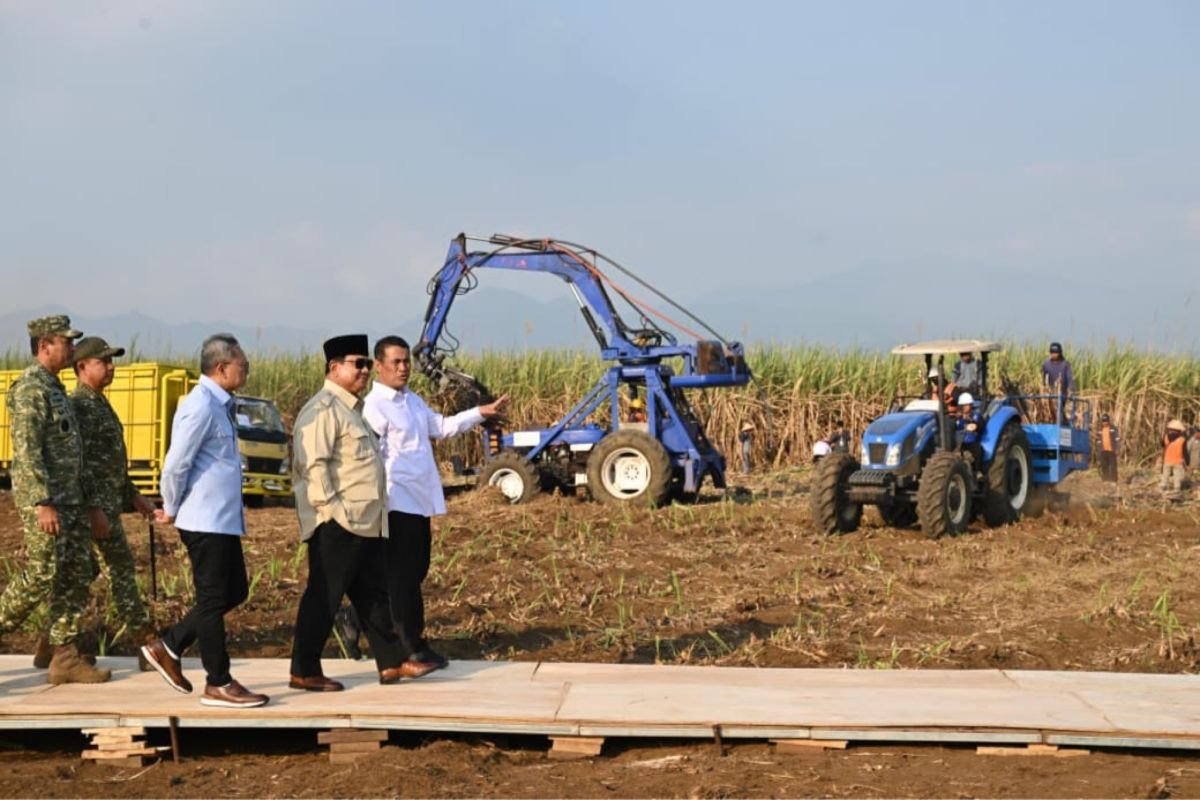
On July 17, 2026, President Prabowo Subianto announced at the TNI Harvest Festival in Malang, East Java, that Indonesia would completely halt diesel imports from July 2026. This decision follows the successful development of B50 biodiesel, a blend containing 50 percent palm oil-based fuel. Prabowo underscored Indonesia's position as the first country globally to achieve B50 production.
Key Developments
- Diesel Import Halt: Indonesia has ceased all diesel imports since July 2026, driven by its B50 biodiesel program.
- B50 Biodiesel Pioneer: The nation is the first worldwide to produce a 50 percent palm oil-based diesel blend.
- Energy Self-Sufficiency: The policy aims to strengthen national energy independence and redirect funds into the domestic economy.
- Bioethanol Expansion: Indonesia is also developing E10 bioethanol, with targets to increase the blend to E20 and build more production plants.
Regional Context
Indonesia's aggressive biofuel strategy, particularly its B50 mandate, positions it as a leader in energy self-sufficiency within Southeast Asia, potentially influencing similar policies in other palm oil-producing nations. This move also highlights the growing global trend of integrating agricultural commodities into national energy matrices to enhance security and reduce carbon footprints.
Market Impact
The cessation of Indonesian diesel imports will significantly alter regional diesel trade dynamics, potentially leading to shifts in supply chains and pricing for refiners and traders. The increased domestic demand for palm oil as a biodiesel feedstock is expected to tighten global crude palm oil markets, impacting prices and agricultural commodity derivatives. This policy also reduces Indonesia's exposure to volatile international oil prices, offering greater stability to its domestic fuel market.
Outlook
The successful implementation of the B50 program is expected to pave the way for accelerated development of Indonesia's broader bioenergy sector, including the expansion of bioethanol production. Future efforts will focus on scaling up domestic feedstock supply and infrastructure to meet growing biofuel demand and further solidify energy independence.