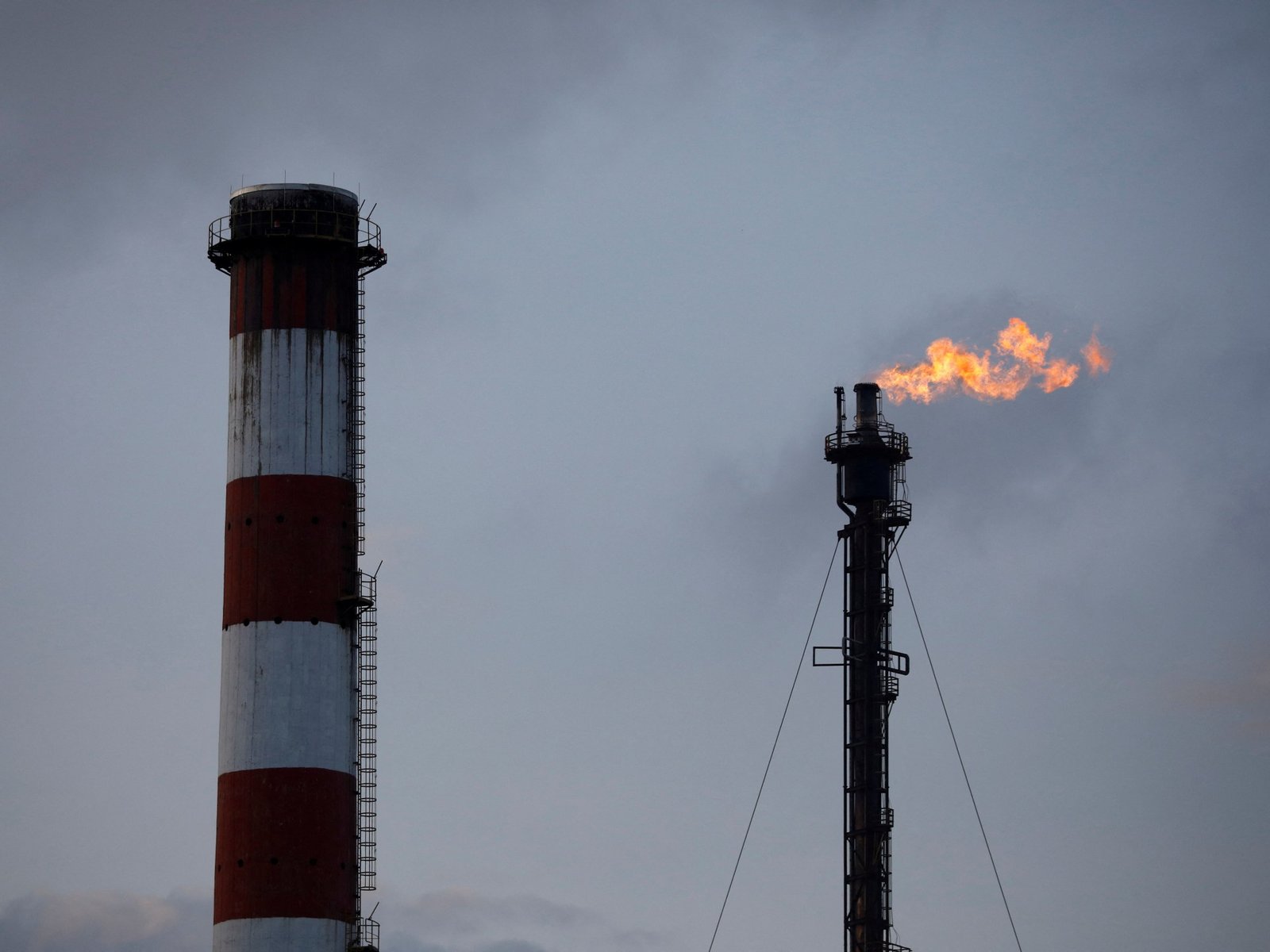
The European Union has recommended a three-year suspension of penalties for oil and gas companies failing to meet its methane emissions standards, a move driven by intense pressure from the United States and escalating global energy security concerns. This decision, effective from 2027 to 2030, aims to prevent supply disruptions amidst tight global energy markets exacerbated by the US-Iran conflict and the Strait of Hormuz blockade.
This policy reversal is a critical indicator of how geopolitical instability and the imperative for energy supply security are reshaping the EU's climate agenda. For energy markets, it signals a pragmatic shift, prioritizing immediate fuel availability over stringent environmental compliance, which could influence investment decisions and operational strategies for international oil and gas firms supplying Europe.
Executive Summary
The European Commission advised member states on Monday to waive fines for oil and gas companies that do not comply with the EU's methane emissions law between 2027 and 2030. This recommendation, while not legally binding, is intended to safeguard Europe's energy supply in a period of heightened market tightness. The original EU Methane Regulation, set to take effect in January 2027, would have imposed fines of up to 20 percent of annual turnover for non-compliance with emissions monitoring rules.
What Happened
On July 20, 2026, the European Commission formally recommended that EU member states suspend penalties for oil and gas companies breaching methane emission standards from 2027 through 2030. This followed months of lobbying from the US, Qatar, Algeria, Nigeria, and 17 EU member states, who warned that strict enforcement could jeopardize Europe's access to vital oil and gas supplies. The decision comes as the energy crisis, fueled by the US-Iran war and the Strait of Hormuz blockade, intensifies global market tightness.
Key Developments
- Penalty Suspension: The EU recommends suspending methane emission penalties for oil and gas companies from 2027 to 2030 to ensure energy supply security.
- Geopolitical Drivers: The decision is a direct response to global energy market tightness caused by the US-Iran conflict and the ongoing blockade of the Strait of Hormuz.
- Industry Pressure: The move follows significant pressure from the US, major gas-producing nations, and some EU member states concerned about supply disruptions.
Regional Context
This policy adjustment underscores the EU's vulnerability to global geopolitical events, particularly conflicts in the Middle East, which directly impact its energy security. It highlights a temporary but significant recalibration of the bloc's ambitious climate goals in the face of immediate economic and supply challenges.
Market Impact
For traders, refiners, and analysts, this signals a more stable, albeit less green, supply environment for European oil and gas in the near term, potentially easing some upward pressure on TTF gas prices. However, it also raises questions about the long-term credibility of EU climate policy and the future trajectory of green investments in the energy sector.
Outlook
While the suspension is a temporary measure, market participants will closely watch for any further adjustments to EU energy policy and the duration of global energy market tightness. The effectiveness of this recommendation in averting supply disruptions and its eventual impact on methane reduction efforts remain key areas of focus.