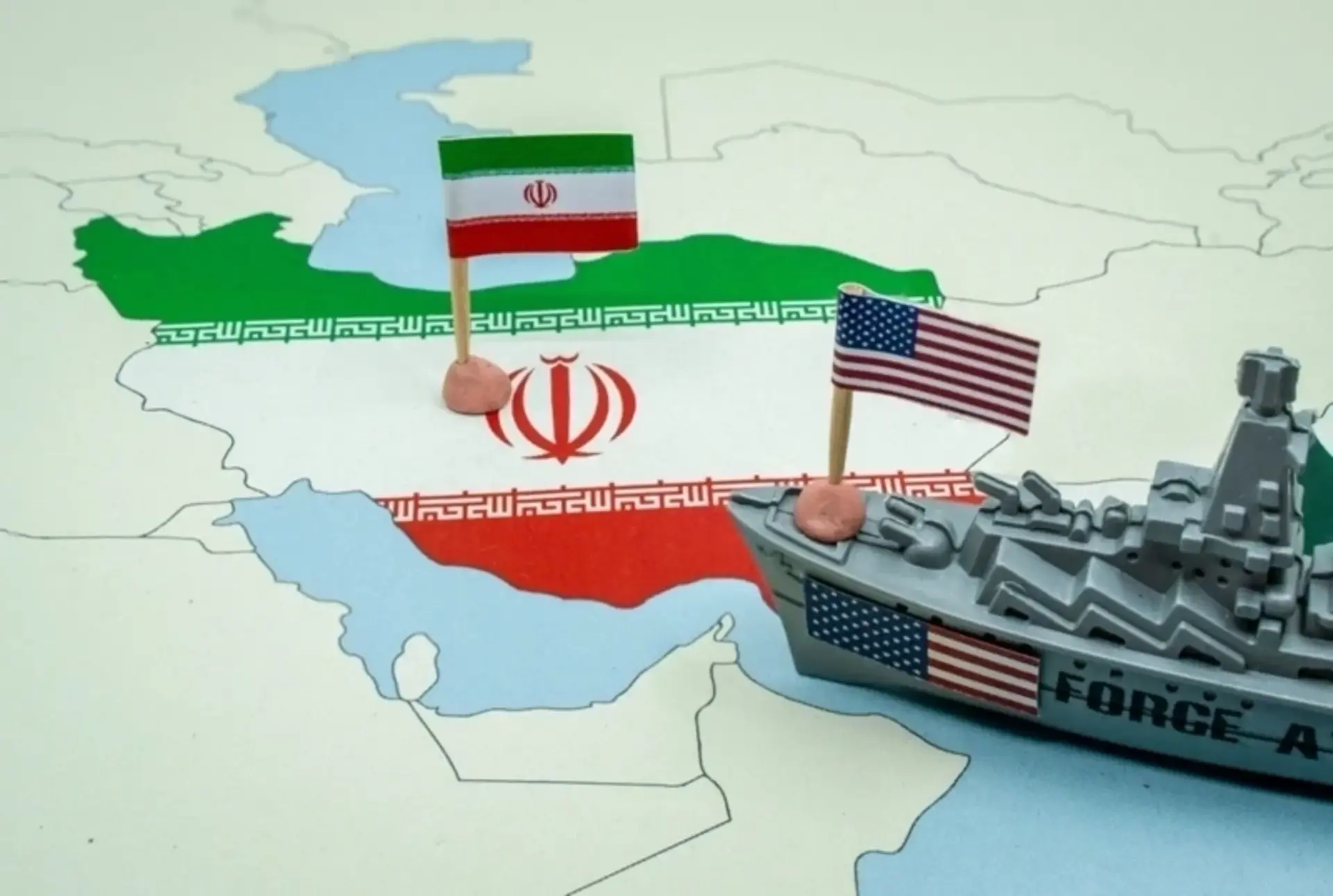
The Strait of Hormuz faces a permanent shift in its role as a critical oil transit route, with Goldman Sachs projecting that over 45% of Gulf crude exports could bypass the chokepoint by the end of 2027. This significant rerouting is driven by accelerated pipeline and port projects in the Middle East, fundamentally altering regional energy infrastructure and global supply dynamics.
This story is crucial for energy markets now as it signals a structural change in global oil supply resilience, moving beyond short-term geopolitical flare-ups to long-term infrastructure investments designed to mitigate transit risks through the Strait of Hormuz, a waterway recently impacted by renewed military exchanges and blockades.
Executive Summary
Gulf oil producers, including Saudi Arabia, Iraq, and the United Arab Emirates, are rapidly advancing new and expanded pipeline projects to circumvent the Strait of Hormuz, a strategic waterway facing increasing instability. Goldman Sachs forecasts that these initiatives could enable more than 45% of Gulf crude exports to bypass the strait by late 2027, potentially rising to over 60% by the end of 2028. This strategic pivot, involving seven major pipeline projects, aims to reduce vulnerability to geopolitical disruptions and enhance supply reliability, despite short-term market focus on high oil prices and monetary tightening concerns.
What Happened
The Strait of Hormuz has seen renewed instability, with Iran's Islamic Revolutionary Guard Corps formally announcing its closure on July 12, followed by a U.S. declaration of a naval blockade and a 20% cargo fee for security. These actions, coupled with President Trump's statements on reinstating a blockade targeting Iran, have intensified concerns over energy shipments, driving a surge in oil prices. In response, Gulf nations are accelerating long-term infrastructure projects to create alternative export routes.
Key Developments
- Hormuz Instability: Renewed military exchanges and blockades have led to growing concerns that the Strait of Hormuz may never return to its pre-war normal state.
- Bypass Capacity Surge: Goldman Sachs forecasts that new and expanded pipelines will increase effective bypass capacity by 3.8 million barrels per day by end-2027, shielding a significant portion of Gulf exports.
- Strategic Investment: Saudi Arabia, Iraq, and the UAE are investing heavily in new ports and pipelines, aiming to reduce reliance on the Strait and enhance long-term supply resilience.
Regional Context
The ongoing geopolitical tensions in the Middle East, particularly the conflict involving Iran and the U.S., are fundamentally reshaping regional energy policy, pushing Gulf states to prioritize infrastructure that offers strategic alternatives to the Strait of Hormuz. This shift reflects a broader effort to secure export routes and maintain stability amidst persistent security threats.
Market Impact
Traders and refiners face increased short-term volatility, as evidenced by Brent and WTI crude prices climbing significantly following the Hormuz closure. However, analysts anticipate that the planned expansion of alternative transport infrastructure will act as a structural buffer against future supply shocks, potentially mitigating negative impacts in the medium to long term.
Outlook
The market will closely monitor the progress of new pipeline and port projects, with their completion by late 2027 and 2028 expected to materially reduce the vulnerability of Gulf oil exports to Hormuz disruptions. Continued geopolitical developments and their influence on the pace of infrastructure development will be key determinants for future oil market stability.