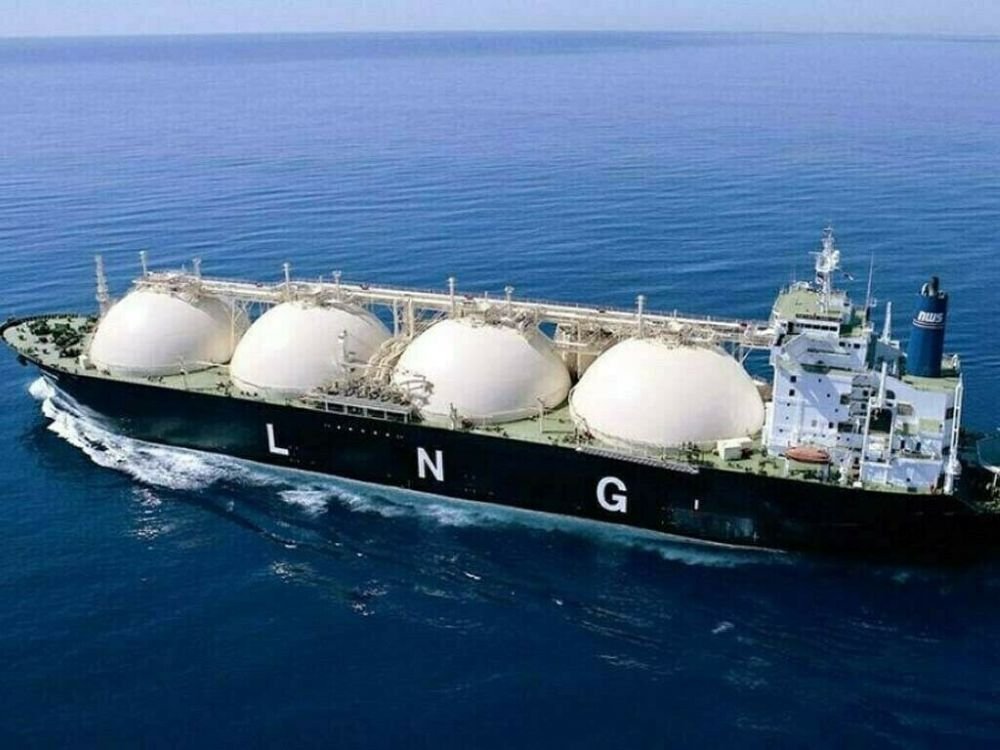
India has rescinded most emergency restrictions on natural gas supplies following the resumption of liquefied natural gas (LNG) shipments through the Strait of Hormuz, signaling a critical return to stability for the nation's energy supply chain. This move reflects New Delhi's confidence in the stabilizing regional situation after months of disruptions caused by the West Asia conflict.
The restoration of normal gas allocation mechanisms in India is a significant development for global LNG markets, as it indicates a partial easing of geopolitical tensions that had severely impacted a vital transit route for nearly one-fifth of global LNG trade. For Asian buyers, it suggests a potential moderation of spot prices and a return to more predictable supply dynamics, though underlying vulnerabilities remain.
Executive Summary
The Indian Ministry of Petroleum and Natural Gas amended the Natural Gas (Supply Regulation) Order, 2026, to remove emergency provisions that had prioritized domestic and imported LNG for critical sectors since March. This decision follows a ceasefire in the West Asia region and the gradual restoration of maritime traffic through the Strait of Hormuz, a crucial chokepoint. The emergency measures were initially imposed after geopolitical tensions disrupted LNG cargo movements, causing operational constraints for industrial consumers and highlighting India's import dependence. While immediate supply concerns have abated, the episode underscores the imperative for diversified energy sourcing and strategic preparedness against future geopolitical shocks.
What Happened
In March 2026, India's Ministry of Petroleum and Natural Gas implemented emergency restrictions on natural gas supplies due to geopolitical tensions disrupting LNG shipments via the Strait of Hormuz. These measures prioritized gas for essential sectors like fertilizer plants and power producers. Following a ceasefire in the West Asia conflict and the subsequent normalization of maritime traffic, the Indian government lifted most of these emergency curbs on July 6, 2026.
Key Developments
- Emergency Curbs Lifted: India's government has withdrawn emergency restrictions on natural gas supplies, restoring normal allocation mechanisms for industrial and domestic consumers.
- Hormuz Shipments Resume: The decision follows the resumption of LNG shipments through the strategically vital Strait of Hormuz after a West Asia ceasefire, easing critical supply bottlenecks.
- Energy Security Focus: The incident highlights India's vulnerability to supply disruptions and reinforces the need for diversified energy sourcing and the development of strategic gas reserves.
Regional Context
The West Asia conflict, which began in late February 2026, severely impacted global energy flows, particularly through the Strait of Hormuz, a critical chokepoint for Middle Eastern LNG and crude exports to Asia. India, as a major LNG importer, was directly affected, prompting emergency measures and a re-evaluation of its energy security strategy.
Market Impact
For LNG traders, the normalization of Hormuz traffic reduces transit risks and could lead to a more balanced market, potentially easing spot prices that had surged in March. Refiners and industrial consumers in India, who faced reduced gas supplies under the emergency regime, will see operational constraints ease, supporting higher utilization rates. Analysts will closely monitor the sustained stability of Hormuz flows and the pace of inventory rebuilding across Asia, particularly in India, as a barometer for regional energy market health.
Outlook
While immediate supply concerns have eased, experts caution that developments in West Asia will continue to be closely monitored given their potential impact on global energy markets and India's import-dependent gas sector. The focus will now shift to how quickly India and other Asian nations build strategic reserves and further diversify their energy portfolios to mitigate future disruptions.