Global natural gas demand is projected to contract by 0.5% in 2026, marking the third annual decline in seven years, as the Middle East conflict continues to profoundly distort the market. This downturn is primarily driven by reduced gas consumption in the power and industrial sectors, exacerbated by tighter LNG supplies and elevated prices.
The International Energy Agency's latest quarterly Gas Market Report underscores the persistent impact of geopolitical tensions and infrastructure damage on global gas balances, particularly the critical Strait of Hormuz. The report highlights how these disruptions are reshaping supply dynamics and demand patterns, pushing prices higher and accelerating fuel switching in key Asian markets.
Executive Summary
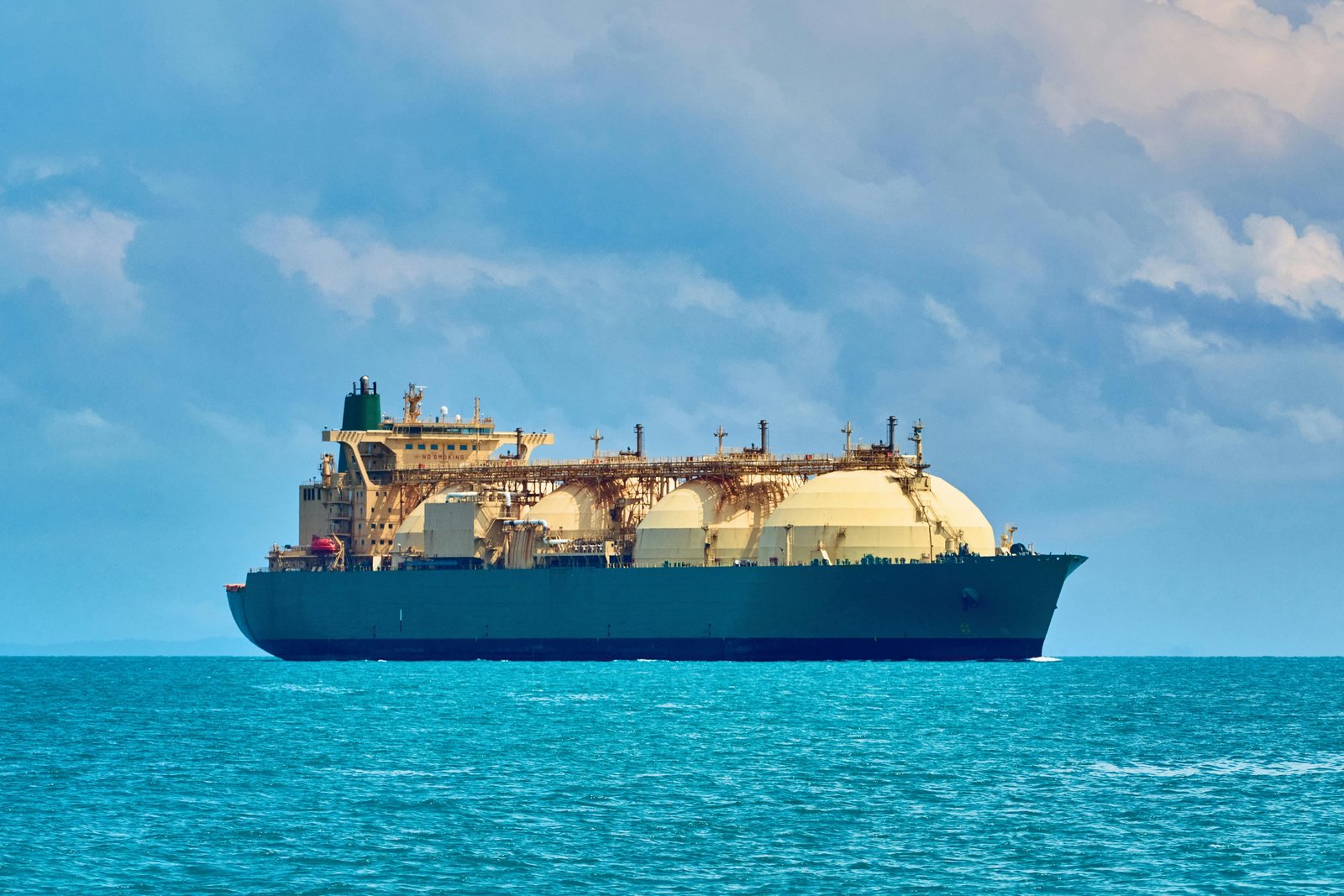
The IEA's Q3-2026 Gas Market Report reveals a significant contraction in global natural gas demand for the current year, a stark reversal from earlier expectations. This decline is largely attributed to the ongoing Middle East conflict, which has severely impacted LNG export facilities, notably Qatar's Ras Laffan, and restricted crucial shipping lanes through the Strait of Hormuz. While LNG flows through the Strait have seen a tentative increase following an interim US-Iran agreement in June, they remain considerably below pre-conflict levels, maintaining upward pressure on prices in both Asian and European markets.
What Happened
The Middle East conflict, which began in February, led to the effective closure of the Strait of Hormuz for gas tankers and caused damage to regional LNG export infrastructure. This resulted in a steep, nearly 80% fall in LNG supply from Qatar and the UAE during March-June compared to 2025.
Key Developments
- Demand Contraction: Global natural gas demand is forecast to decline by 0.5% in 2026, primarily due to lower usage in power generation and industrial activities.
- Supply Disruptions: LNG supply from Qatar and the UAE plummeted by almost 80% in Q2 2026, with damage to facilities like Ras Laffan expected to delay capacity expansion.
- Hormuz Uncertainty: Despite an interim peace agreement, LNG cargo flows through the Strait of Hormuz remain well below pre-conflict levels, with significant uncertainty surrounding a full resumption.
Regional Context
The Middle East conflict has profoundly impacted regional gas supply and demand, with significant knock-on effects for Asia, where higher prices have driven demand softening and fuel switching, particularly to coal in the power sector. Europe also continues to face elevated gas prices, albeit moderated from earlier peaks.
Market Impact
Traders and analysts face a tighter global gas market through 2026 and 2027 than previously anticipated, with sustained high prices in key consuming regions. The potential for a full reopening of the Strait of Hormuz beyond Q4 2026 could trigger the first annual decline in global LNG supply since 2012, further exacerbating market tightness.
Outlook
The market's trajectory hinges on the full normalization of Strait of Hormuz traffic and the pace of LNG capacity recovery in the Middle East. Continued vigilance on geopolitical developments and their implications for supply security will be paramount for energy stakeholders.