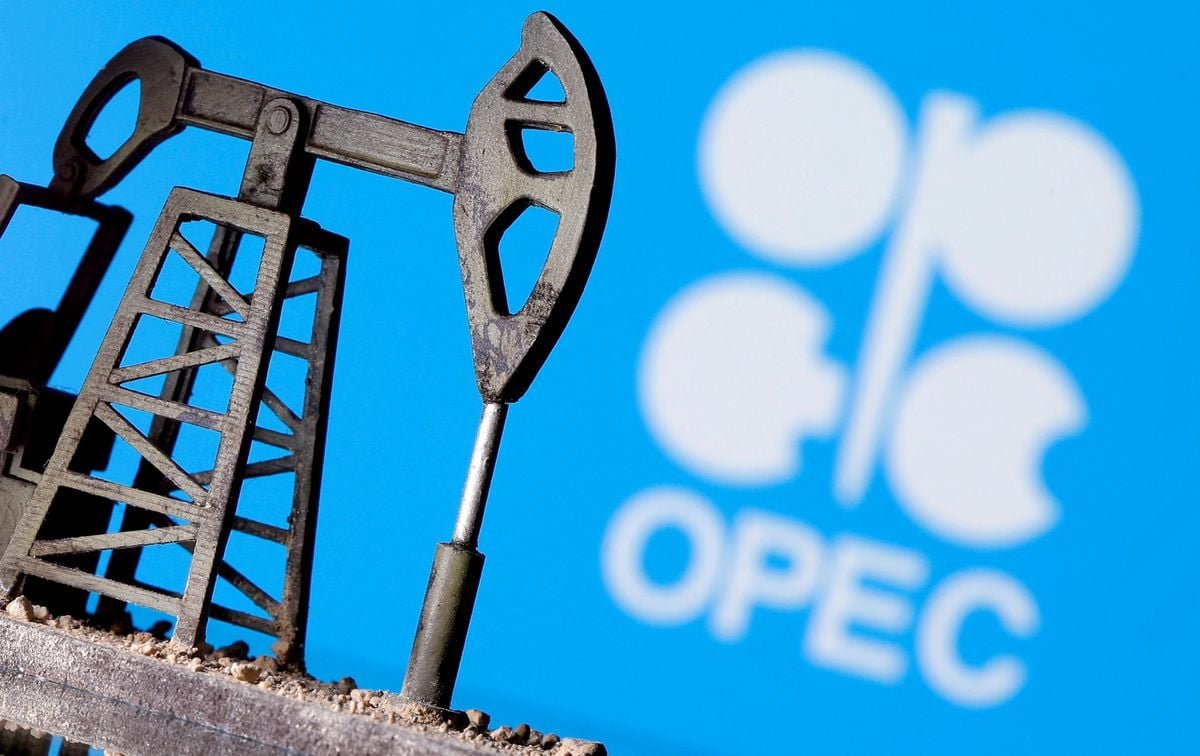
OPEC+ has agreed to further increase oil output targets from August, adding 188,000 barrels per day (bpd) to global supply, as oil prices fall due to the gradual reopening of the Strait of Hormuz for oil exports. This decision comes amidst a recovery in Gulf exports, although they remain below pre-war levels following the U.S.-Israeli war on Iran.
The latest OPEC+ production hike, coupled with the easing of geopolitical tensions and the reopening of a critical shipping chokepoint, signals a significant shift in global oil market dynamics from scarcity concerns to potential oversupply, impacting benchmark prices and future investment strategies.
Executive Summary
Seven core OPEC+ members, including Saudi Arabia and Russia, virtually convened on July 5, 2026, and approved a 188,000 bpd production adjustment for August 2026, building on previous increases since April. This move coincides with the gradual reopening of the Strait of Hormuz, which had been closed due to the U.S.-Israeli war on Iran, and has contributed to oil prices returning to pre-war levels. The International Energy Agency (IEA) also recently downgraded its 2026 global oil demand growth forecast, further contributing to market sentiment of a potential surplus.
What Happened
On July 5, 2026, seven key OPEC+ nations, including Saudi Arabia, Russia, Iraq, Kuwait, Kazakhstan, Algeria, and Oman, held a virtual meeting. They decided to implement a crude oil production adjustment of 188,000 bbl/d for August 2026, continuing a series of increases initiated in April. This decision was made as the Strait of Hormuz began to reopen, allowing for increased oil exports after being disrupted by the U.S.-Israeli war on Iran.
Key Developments
- OPEC+ Boosts Output: Seven core OPEC+ members will increase crude oil production by 188,000 bpd in August 2026.
- Hormuz Reopens: The gradual reopening of the Strait of Hormuz is facilitating increased oil exports from the Gulf.
- Oil Prices Fall: Global oil prices have retreated to pre-war levels amid fears of a supply glut.
- IEA Lowers Demand Forecast: The IEA reduced its 2026 global oil demand growth forecast to 1.1 million bpd, down 700,000 bpd from last month.
Regional Context
The reopening of the Strait of Hormuz, a vital chokepoint for Middle Eastern oil exports, significantly impacts global supply chains, particularly for major producers like Saudi Arabia, Kuwait, and Iraq, whose exports were previously hampered by the U.S.-Israeli war on Iran. This regional development directly influences global oil market stability and pricing.
Market Impact
Traders and analysts are now grappling with the prospect of a global oil surplus, as increased OPEC+ supply and recovering Middle Eastern exports outpace revised demand forecasts. This shift is driving benchmark oil prices down to pre-conflict levels, necessitating a re-evaluation of inventory strategies and future price expectations for refiners.
Outlook
Market participants will closely monitor the pace of export recovery through the Strait of Hormuz and the actual implementation of OPEC+ production increases. The trajectory of global oil demand, particularly in China, and further IEA assessments will be crucial in determining the market balance in the coming months.