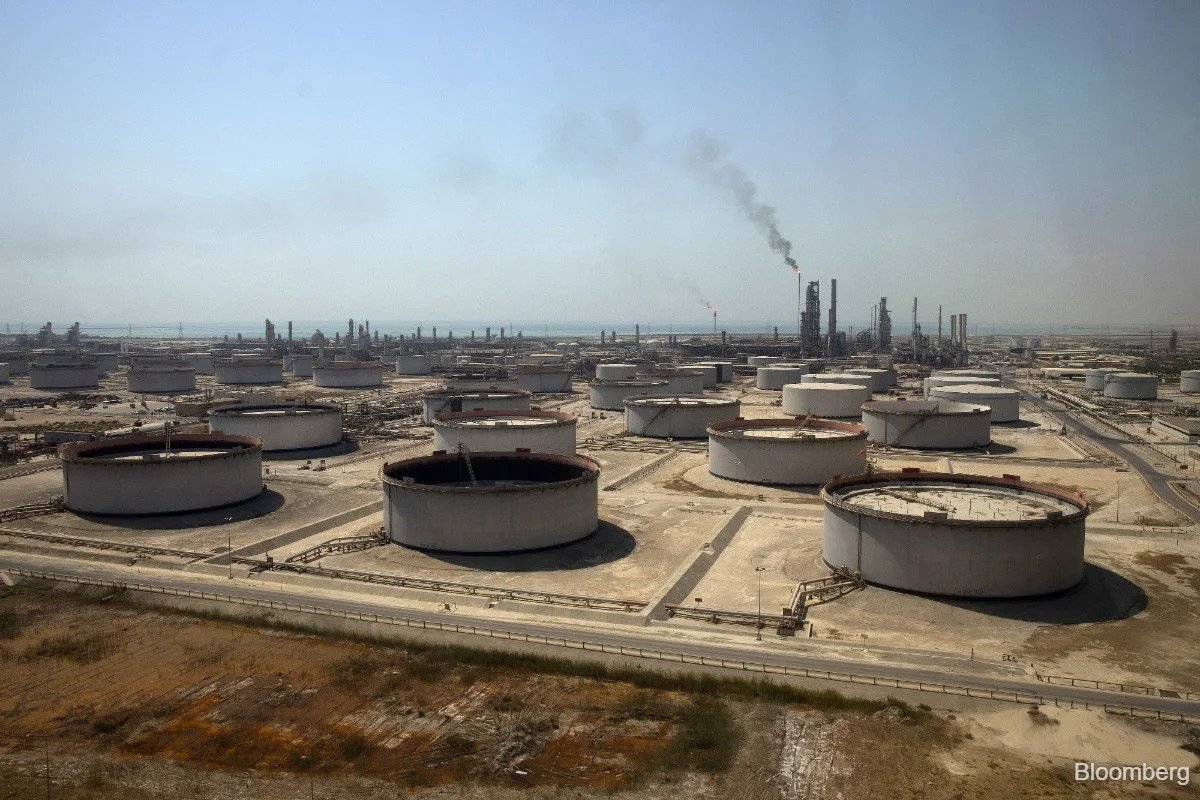
Oil prices have deepened their decline below pre-war levels as Saudi Arabia significantly ramped up crude exports, signaling a robust recovery in Persian Gulf flows. This surge in supply heightens the prospect of a global market surplus, putting downward pressure on benchmarks.
This story is critical for energy markets as the rapid normalization of Saudi crude exports through the Strait of Hormuz, following a period of geopolitical tension, fundamentally shifts the supply-demand balance. The return of substantial volumes from the world's largest exporter directly impacts global crude benchmarks and refiners' feedstock costs, signaling a potential end to the recent risk premium.
Executive Summary
Following a three-month disruption, Saudi Arabia has aggressively increased its crude oil shipments, with exports from its Ras Tanura terminal reaching nearly 90% of pre-conflict volumes. This swift recovery in Persian Gulf flows, facilitated by easing US-Iran tensions and the reopening of the Strait of Hormuz, has pushed benchmark crude prices like Brent and WTI to multi-month lows. The market is now grappling with the implications of a potential supply glut, contrasting sharply with earlier fears of shortages. The kingdom also made unusual spot crude sales to Asian buyers to clear accumulated volumes.
What Happened
Saudi Arabia restarted significant crude shipments from its giant Ras Tanura terminal late last week, quickly bringing exports to almost 90% of previous levels. This resumption follows an interim peace deal between the US and Iran, which led to the reopening of the Strait of Hormuz, a critical chokepoint for global oil trade.
Key Developments
- Exports Rebound: Saudi crude exports have recovered to nearly 90% of pre-war levels after a three-month pause in shipments from its Ras Tanura terminal.
- Hormuz Reopened: The Strait of Hormuz, a vital shipping lane, has seen normalized tanker traffic following a US-Iran interim peace deal.
- Price Decline: Brent and WTI crude benchmarks have fallen below pre-war levels, erasing most wartime gains and hitting multi-month lows.
Regional Context
The rapid normalization of oil flows from the Persian Gulf is a direct consequence of the de-escalation of tensions between the United States and Iran, marked by an interim peace deal and ongoing negotiations. This diplomatic progress has significantly reduced geopolitical risk in the region, allowing critical energy infrastructure like the Strait of Hormuz to operate without major disruptions.
Market Impact
Traders and refiners face a rapidly shifting market dynamic from scarcity fears to potential oversupply, driving down crude benchmarks like Brent and WTI. The emergence of a contango price structure signals ample near-term supply, impacting hedging strategies and refining margins. Analysts are now closely monitoring the pace at which the immediate supply glut dissipates and the long-term stability of the US-Iran agreement.
Outlook
The market will closely watch the upcoming US-Iran talks for a permanent peace deal and OPEC+'s response to the evolving supply-demand balance. Continued de-escalation and sustained high export volumes could keep crude prices under pressure through the second half of the year.