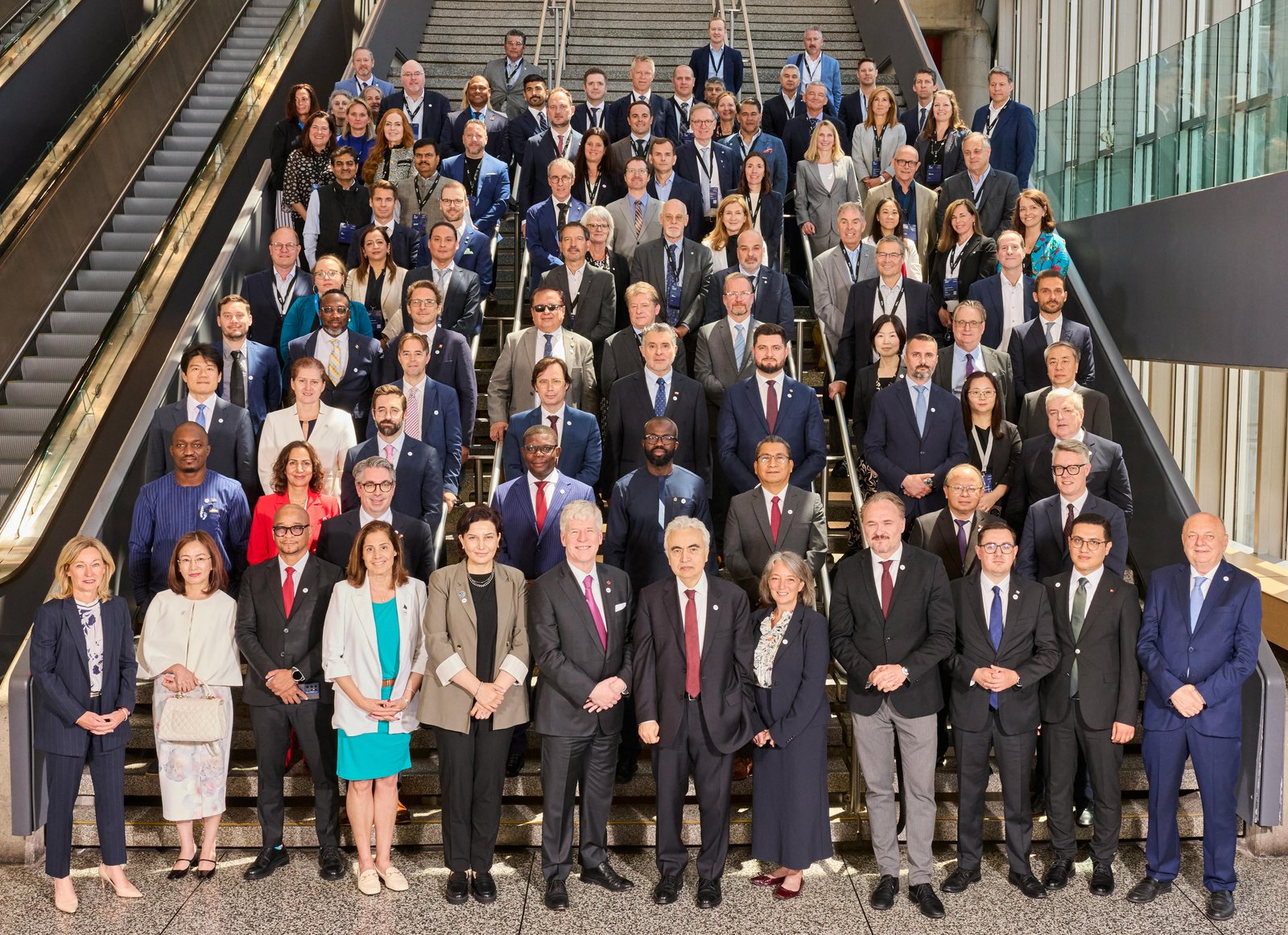
Dozens of governments worldwide have jointly committed to embedding energy efficiency as a cornerstone of their national energy policies, a direct response to recent disruptions in global energy markets stemming from the Middle East war and the Strait of Hormuz crisis. This collective action aims to shield households and businesses from price volatility, enhance energy security, and bolster economic competitiveness.
This renewed global emphasis on energy efficiency is critical as geopolitical tensions continue to strain energy supply chains and drive price uncertainty, particularly following the Middle East conflict. By prioritizing efficiency, nations seek to mitigate immediate energy cost pressures, reduce reliance on volatile fossil fuel markets, and accelerate the broader energy transition, making this a pivotal moment for energy market stability and investment in sustainable solutions.
Executive Summary
Meeting at the IEA's 11th Annual Global Conference on Energy Efficiency in Montreal, ministers and senior officials from various continents issued a joint statement on June 29, 2026, recognizing efficiency's role in building resilience against future energy shocks. The commitment underscores a strategic shift to improve affordability for consumers and boost economic competitiveness, particularly for vulnerable households and small and medium-sized enterprises (SMEs). Governments called for stronger action, including increased support mechanisms, improved efficiency in buildings and data centers, and measures to unlock investment without administrative burdens. This global consensus highlights a proactive approach to energy policy in a period of heightened market instability.
What Happened
On June 29, 2026, at the IEA's 11th Annual Global Conference on Energy Efficiency in Montreal, dozens of governments globally issued a joint statement. They agreed to elevate energy efficiency as a core component of their energy policies, citing recent disruptions in global energy markets due to the Middle East war as a key driver. The commitment aims to strengthen resilience, improve affordability, and boost economic competitiveness.
Key Developments
- Global Commitment: Dozens of governments committed to making energy efficiency a cornerstone of national energy policy.
- Geopolitical Driver: The decision was spurred by recent global energy market disruptions and price volatility linked to the Middle East war and Strait of Hormuz crisis.
- Policy Focus Areas: Governments pledged stronger action, including support for vulnerable groups, efficiency in buildings and data centers, and investment facilitation.
Regional Context
The renewed focus on energy efficiency is directly influenced by the ongoing Middle East war and its impact on the Strait of Hormuz, a critical chokepoint for global oil and gas shipments. This regional instability has underscored the urgent need for nations worldwide to bolster their energy security and reduce vulnerability to external shocks.
Market Impact
For traders and refiners, this policy shift signals a potential long-term dampening of demand growth for certain fossil fuels as efficiency gains take hold, though immediate market volatility from geopolitical events remains a primary concern. Analysts will closely watch for specific policy implementations, such as new building codes or industrial efficiency mandates, which could drive investment into energy management technologies and services. The emphasis on efficiency could also influence future benchmark prices by reducing overall energy consumption.
Outlook
The COP31 Presidency announced it is commissioning the IEA to produce a special report to support a building efficiency target, indicating that concrete policy actions and international cooperation on efficiency are set to intensify. Future developments will hinge on the speed and scale at which these commitments translate into tangible national regulations and investment incentives.