

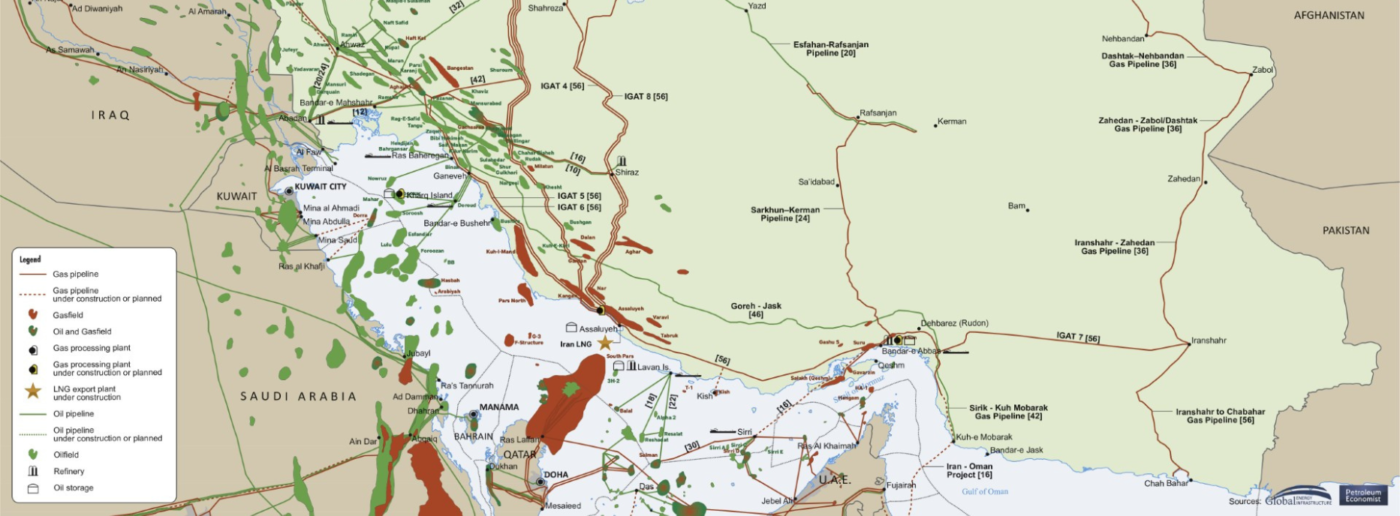

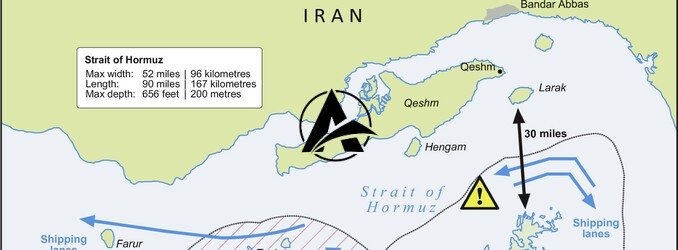
Crude oil prices recently surged. Escalating Middle East tensions, particularly the Iran conflict, drove this movement. This spike prompted a significant response from upstream oil producers.
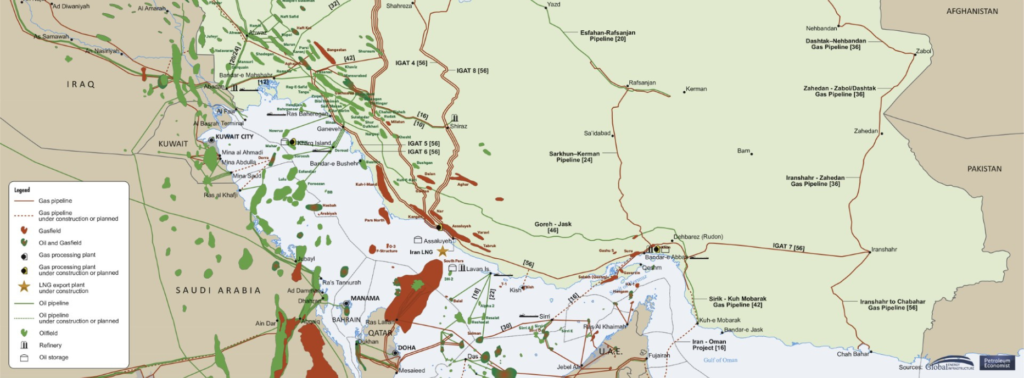
These producers accelerated their 2026 hedging activities. They utilized financial swaps to secure future cash flow, manage market volatility, and capitalize on a widening backwardated futures curve.
Market Dynamics
The price spike resulted from heightened geopolitical instability. Concerns surrounding the Iran conflict fueled market uncertainty. Traders reacted to potential supply disruptions, causing crude benchmarks to see sharp increases.
Strategic Hedging for 2026
Oil producers quickly moved to lock in future revenue. They accelerated their 2026 hedging programs, employing financial swaps. This manages market exposure, stabilizing financial outlook.
Key Hedging Objectives
Producers pursued clear objectives. These goals ensure financial stability in a volatile market.
Securing Cash Flow
Locking in future cash flow formed a primary aim. Swaps secured a predetermined price for output, ensuring financial predictability.
Mitigating Volatility
Producers also managed market volatility. Oil prices fluctuate dramatically. Hedging protects against sudden price drops, safeguarding revenues.
Capitalizing on Market Structure
Producers also capitalized on a widening backwardated futures curve. Future prices are lower than current spot prices. They sold future production at today’s higher prices, locking in a favorable differential.
Leave a Comment