

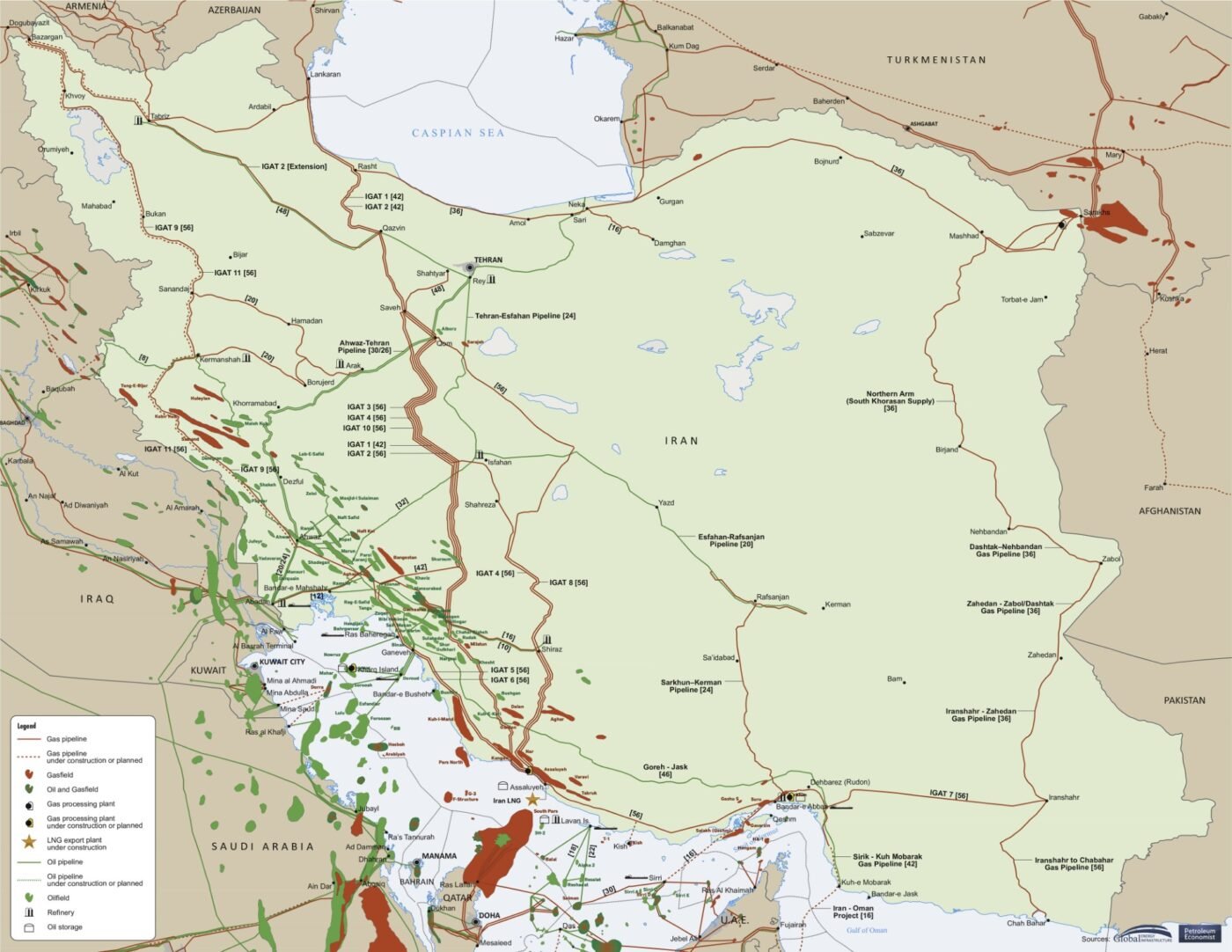

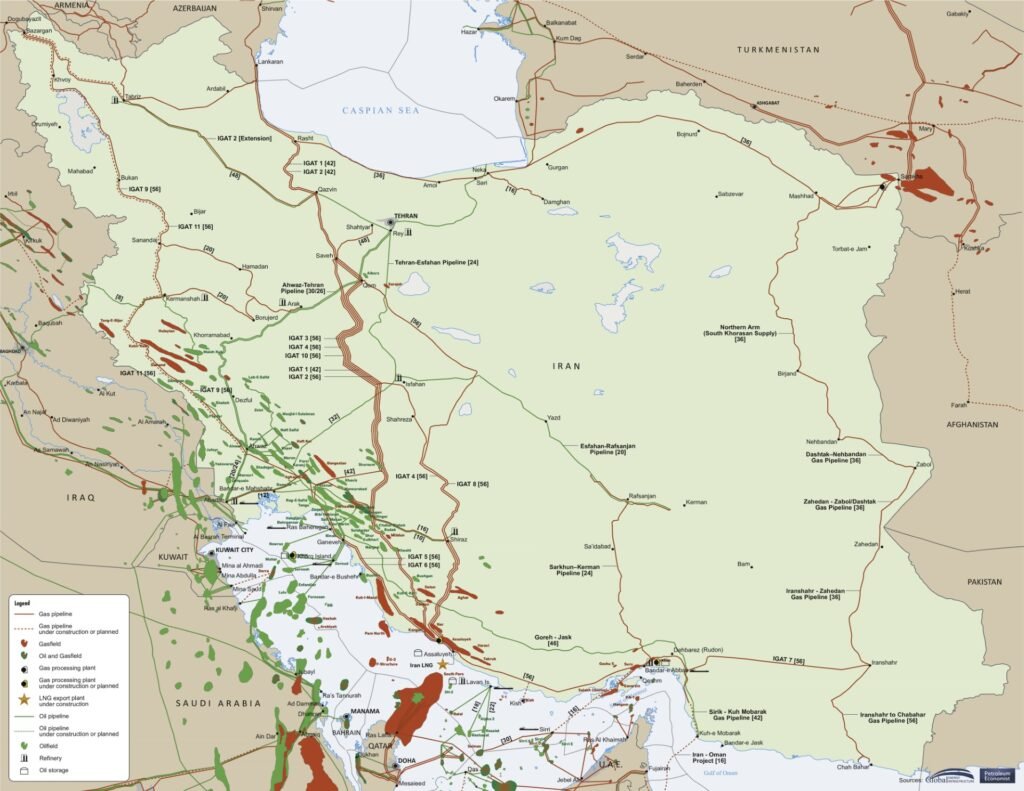
Oil prices increased by nearly 9% following a significant reduction in traffic through the Strait of Hormuz. This critical shipping lane experienced disruptions amidst escalating conflict in the Middle East. Consequently, the situation generated widespread fears of potential oil supply interruptions globally.
Global Market Reaction
Markets reacted swiftly to these developments. Crude oil benchmarks registered a substantial gain of nearly 9% in trading. This sharp increase reflected immediate investor concern over future supply stability.
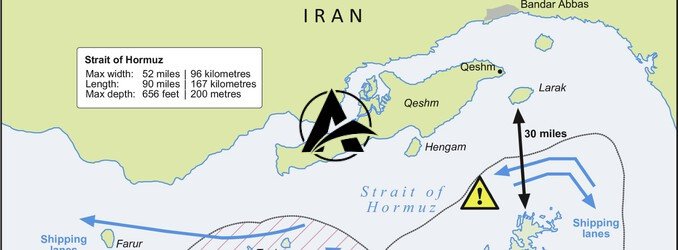
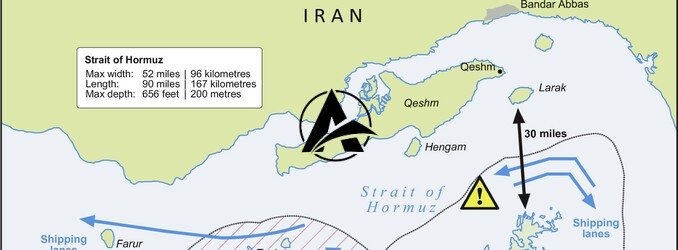
Strait of Hormuz: A Vital Artery
The Strait of Hormuz holds immense importance for global energy flows. It serves as the world’s most crucial chokepoint for oil transit. A significant portion of the world’s seaborne oil passes through this narrow waterway daily.
Geopolitical Context
Escalating conflict in the broader Middle East region directly contributed to the current slowdown. Regional tensions often impact shipping routes in sensitive areas. This volatile environment creates uncertainty for maritime operations.
Fears of Supply Disruptions
The dramatic slowdown immediately triggered fears of potential disruptions to global oil supplies. Energy analysts expressed concern about the reliability of deliveries. A prolonged or severe interruption could significantly impact international markets. This scenario also raises questions about global energy security.
The recent surge in oil prices underscores the sensitivity of global markets to Middle East stability. Observers will closely monitor traffic through the Strait of Hormuz. The ongoing regional conflict continues to pose a risk to international oil supply chains.

Leave a Comment