


Iran has announced the reopening of the Strait of Hormuz, a critical maritime passage. This action contributed to a notable easing of oil prices. Prices had recently reached elevated levels following a volatile week for global energy markets.
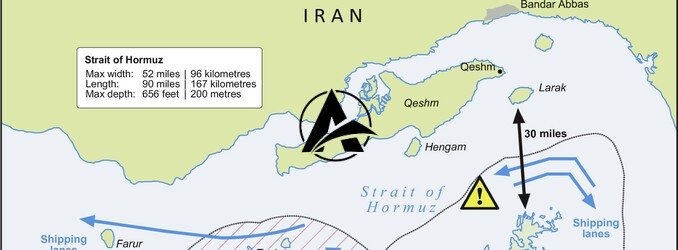
Strait of Hormuz: A Vital Maritime Corridor
The Strait of Hormuz holds immense importance as a global shipping lane. It serves as a crucial chokepoint for international maritime trade. A significant portion of the world’s oil supply passes through this narrow waterway. Its operational status directly impacts global energy security and prices.
Immediate Market Reaction and Volatility
The reopening promptly influenced global energy markets. Oil prices, which had seen substantial increases, retreated from their recent highs. This development came after a period of significant market volatility. Traders and analysts closely watched the situation throughout the week.
Lingering Market Cautiousness
Despite the positive development, global markets maintain a cautious stance. Investors and analysts continue to monitor the situation closely. Several factors contribute to this ongoing watchfulness.
Shipping Flow Stability
The stability of shipping flows through the Strait represents a primary concern. Any disruption in this vital artery could quickly escalate tensions. Market participants seek assurances of uninterrupted passage.
Regional Ceasefire Prospects
Furthermore, the broader prospects for ceasefire agreements in the region remain a significant market concern. Geopolitical tensions often influence oil supply and demand dynamics. Stability in the wider region would further reassure markets.
The reopening of the Strait of Hormuz offers immediate relief to energy markets. However, a sense of underlying uncertainty persists. Global economic stability depends on sustained peace and secure trade routes.


Leave a Comment