


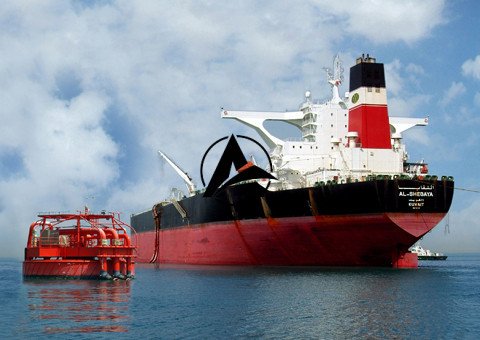
Kuwait has officially declared force majeure. This declaration impacts its oil and refined product shipments. A blockade in the Strait of Hormuz severely disrupted the country’s export flows. This situation highlights the Middle East conflict’s growing influence on global energy markets.
The Force Majeure Declaration
Scope of Impact
The term “force majeure” typically refers to unforeseen circumstances. These circumstances prevent a party from fulfilling a contract. Kuwait invoked this clause for its energy exports. The declaration covers both crude oil and various refined petroleum products. This move temporarily releases Kuwait from contractual obligations.
Disruption in the Strait of Hormuz
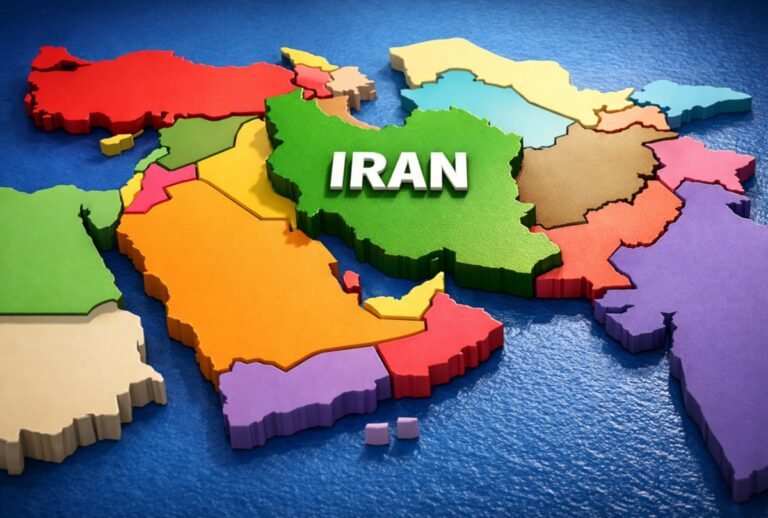
The Strait of Hormuz is a critical maritime chokepoint. It connects the Persian Gulf to the open ocean. A significant portion of the world’s oil transits this narrow waterway. The ongoing blockade has created substantial challenges for shipping. Vessels face delays and security risks. Consequently, Kuwait’s ability to move its products outbound has diminished.
Broader Geopolitical Ramifications
The Middle East conflict continues to escalate. This conflict increasingly affects global energy supplies. Kuwait’s force majeure declaration underscores these wider implications. Energy market stability faces new pressures. International observers watch the situation closely. They assess potential ripple effects on prices and supply chains.
Kuwait’s decision represents a direct consequence of regional instability. The Strait of Hormuz remains a vital passage. Its disruption carries significant global economic weight. Stakeholders now monitor the blockade’s duration and resolution.




Leave a Comment