

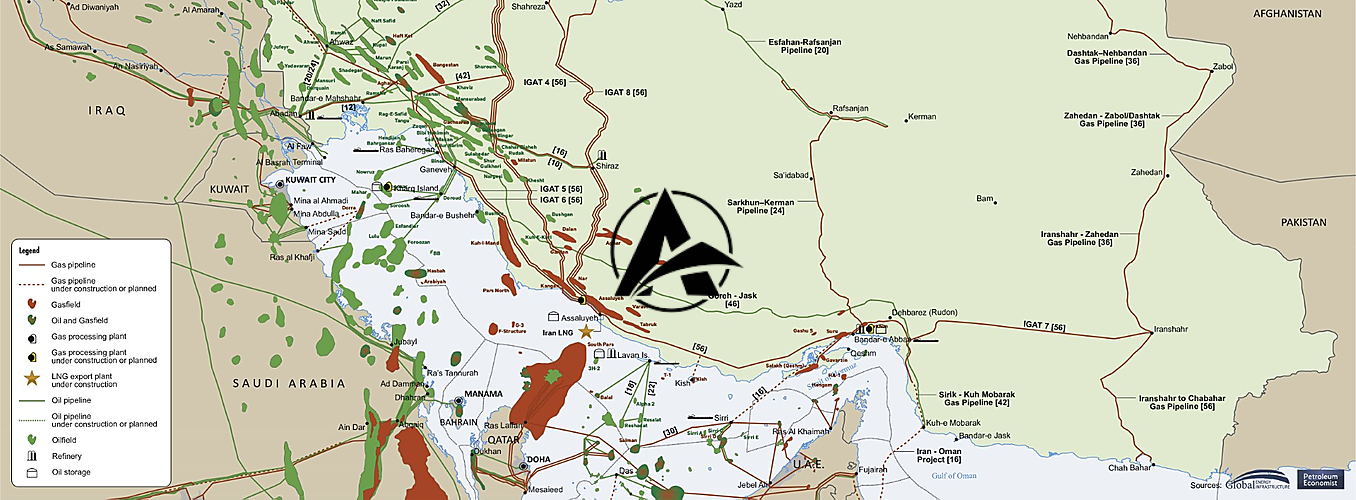

President Trump has rejected a recent Iranian proposal. The proposal aimed to reopen the Strait of Hormuz. Consequently, the United States continues its naval blockade in the crucial waterway. This ongoing action significantly disrupts the global oil supply.
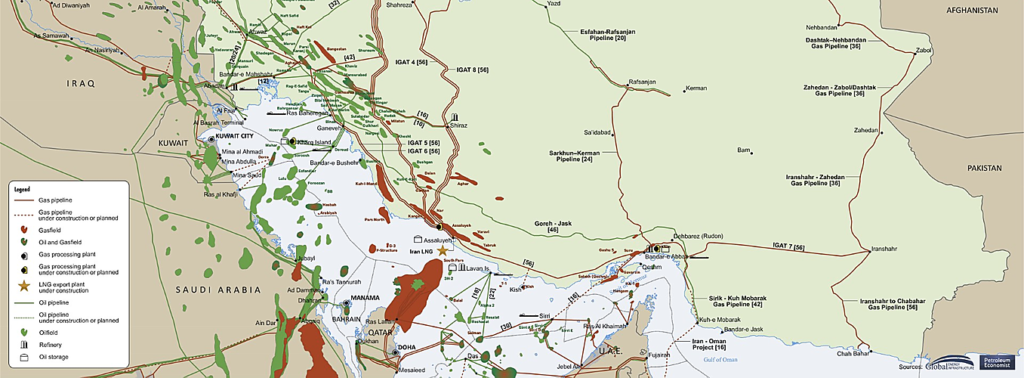
Persistent Blockade in Key Waterway
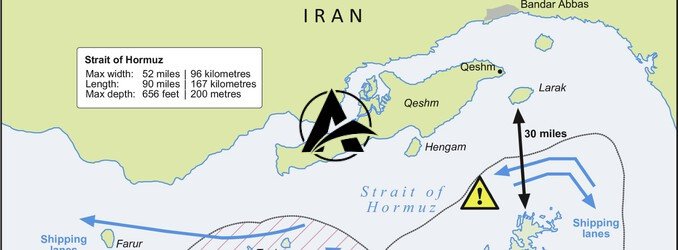
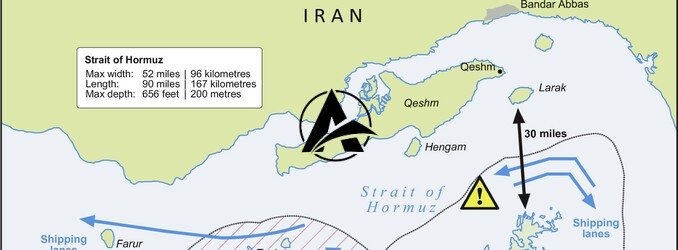
The naval blockade remains active. President Trump’s administration maintains this posture. The Strait of Hormuz is a critical maritime chokepoint. It facilitates a substantial portion of the world’s seaborne oil shipments daily. Maintaining the blockade, therefore, impacts international energy markets directly.
Iran’s Rebuffed Offer
Iran recently presented an offer. This proposal suggested reopening the Strait. Officials hoped it would ease current regional tensions. However, President Trump rejected the overture. His decision signals a continued firm stance from Washington.
Global Economic Repercussions
The blockade directly affects the global oil supply chain. Tankers transporting crude oil face restrictions or delays. This situation creates significant uncertainty for energy markets worldwide. Consumers across various nations could feel the economic effects. The disruption also raises concerns among international trading partners.
The persistent blockade underscores ongoing geopolitical tensions in the region. Washington’s decision reflects a broader strategy. This approach aims to exert pressure. The situation continues to be a focal point for international diplomacy.

Leave a Comment