

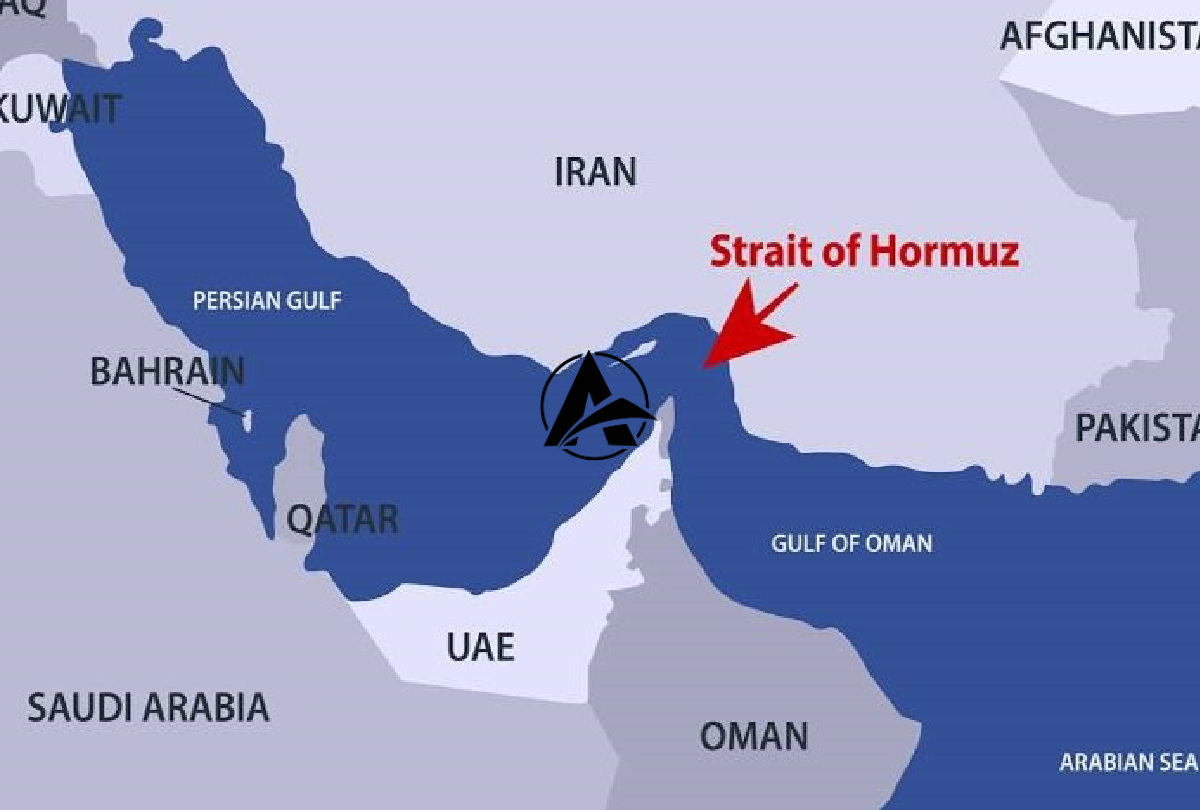

A group of ships attempted an exit from the Gulf via the Strait of Hormuz on Friday, April 17. Their passage proved unsuccessful, immediately reigniting significant concerns about maritime safety in the vital waterway. This incident underscores ongoing anxieties surrounding navigation through the critical chokepoint.
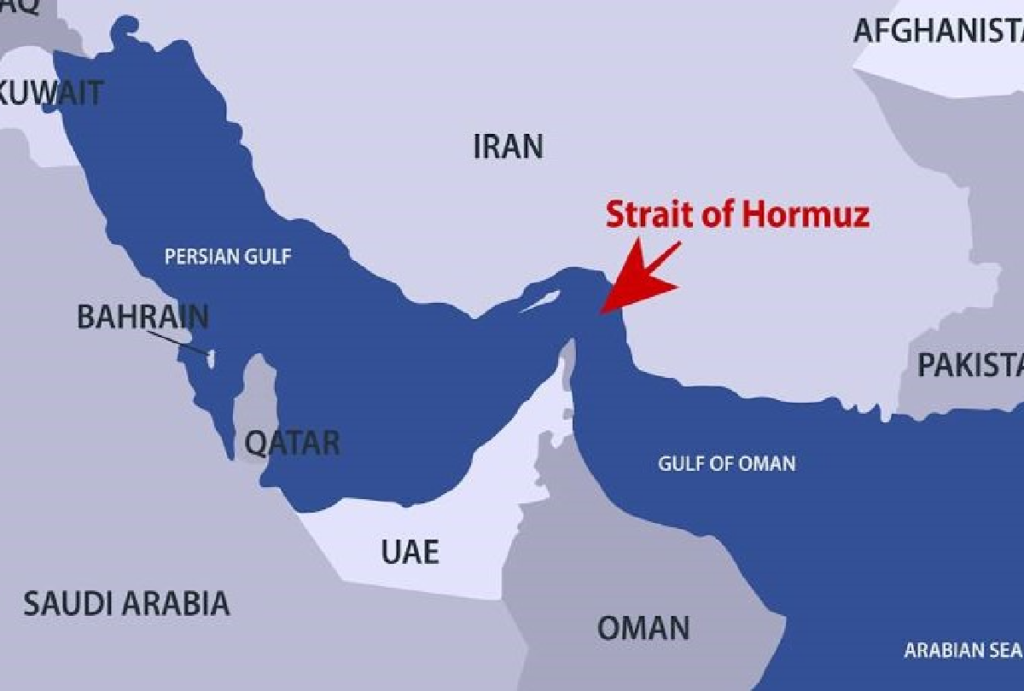
Renewed Safety Concerns Emerge
The primary impediment and source of anxiety remains the persistent threat of mines. Following the unsuccessful transit attempt, international shipping operators voiced heightened apprehension. The incident specifically highlighted the unpredictable nature of the challenges vessels face in the region.
Uncertainty Over Mine Threat
The U.S. Navy issued an advisory, specifically warning that the nature and extent of this mine threat are not yet fully understood. This lack of clear information complicates safe passage planning for commercial vessels. Naval authorities emphasize the need for caution.
Norwegian shippers have also echoed this uncertainty. They flagged significant concerns regarding the potential presence of mines within the strait. These operators stress the critical need for comprehensive intelligence on potential hazards.
International Body Responds
In response to these developments and escalating safety concerns, the United Nations’ International Maritime Organization (IMO) has announced its active involvement. The IMO is currently verifying the details of the situation. This verification process aims to provide clarity and potentially guide future maritime advisories.
The Strait of Hormuz serves as a crucial global shipping lane. Therefore, maintaining clear and safe passage is paramount for international trade. The ongoing efforts by international bodies and naval forces reflect the gravity of the situation and the necessity for a secure maritime environment.




Leave a Comment