

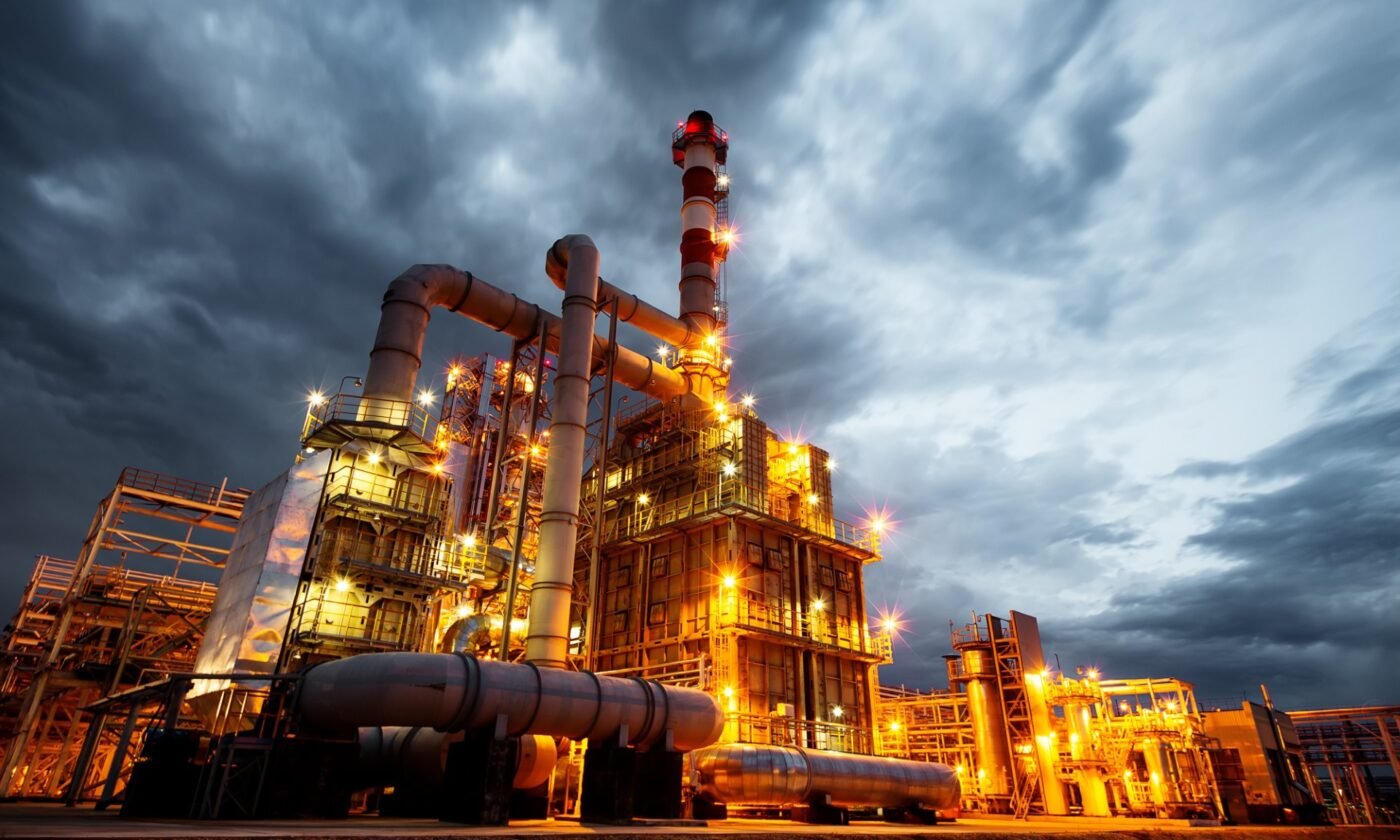

New research reveals a significant challenge for the Middle East’s energy sector. IGS conducted a study. It found nearly half of the oil and gas assets in the Gulf region. They operate beyond their original design life. This raises concerns about integrity and safety.
Key Research Findings
The IGS study specifically focused on the Gulf region. It identified a substantial proportion of energy infrastructure. Approximately half of these critical assets have exceeded their intended operational lifespan. This indicates a widespread sector issue.
Intensifying Regional Pressures
Operational pressures on this aging infrastructure are increasing. Ongoing disruptions in the Strait of Hormuz play a significant role. These events exacerbate existing challenges for the region. The Strait is a vital global shipping lane.
The Strait of Hormuz Impact
The Strait of Hormuz faces disruptions. These incidents place additional strain on energy facilities. Operators must manage these pressures. Consequently, the risks associated with older assets grow.
Implications for the Energy Sector
Operating assets beyond their design life carries inherent risks. These include potential failures or reduced efficiency. The study highlights a need for assessment. Furthermore, it suggests a focus on maintenance and upgrades. This ensures continued safe operations.
Looking Ahead
The findings prompt a closer examination. Energy companies and regulators may review asset management strategies. Addressing aging infrastructure is crucial. It supports long-term global energy stability.



Leave a Comment