

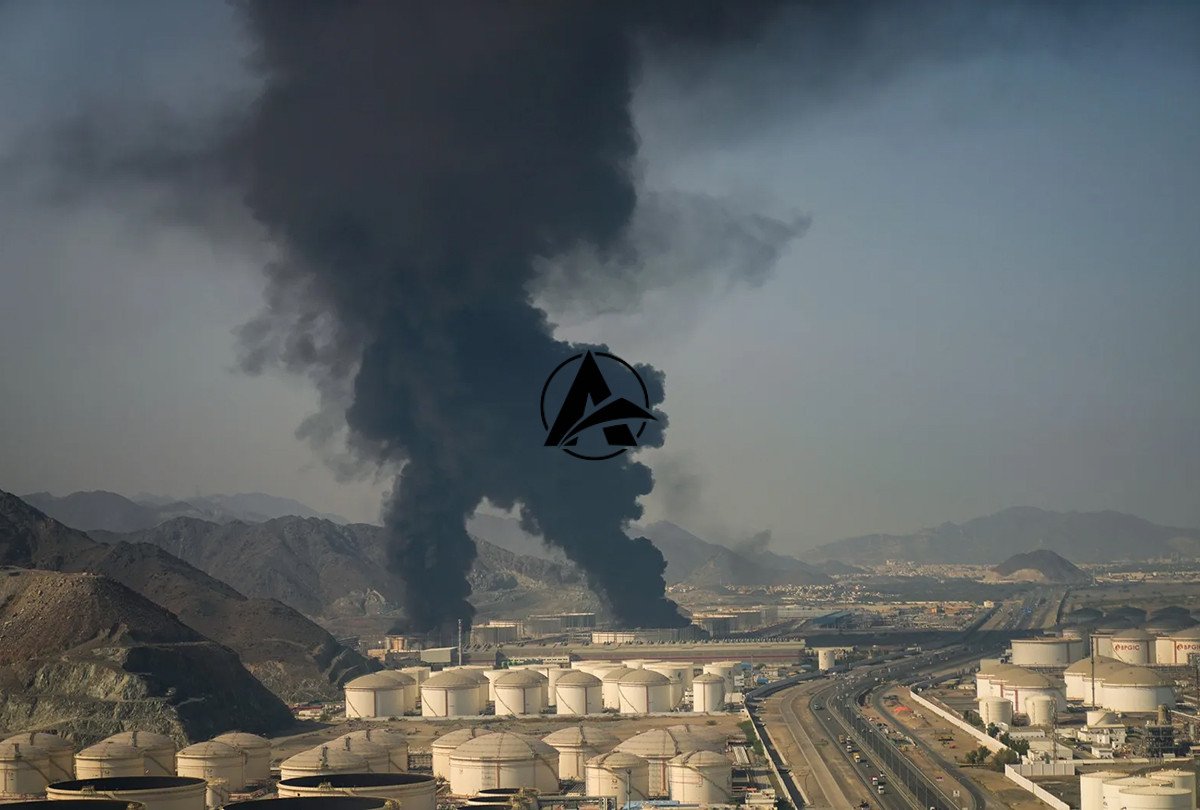

An analysis examines a hypothetical U.S.-Israeli conflict with Iran. This study specifically focuses on the resulting closure of the Strait of Hormuz. Analysts project this scenario would trigger the largest daily oil supply disruption ever recorded by output lost. However, the study also indicates that at least one earlier oil shock had a more significant cumulative impact over time. Reuters performed these calculations, utilizing data from the International Energy Agency (IEA) and the U.S. Department of Energy.
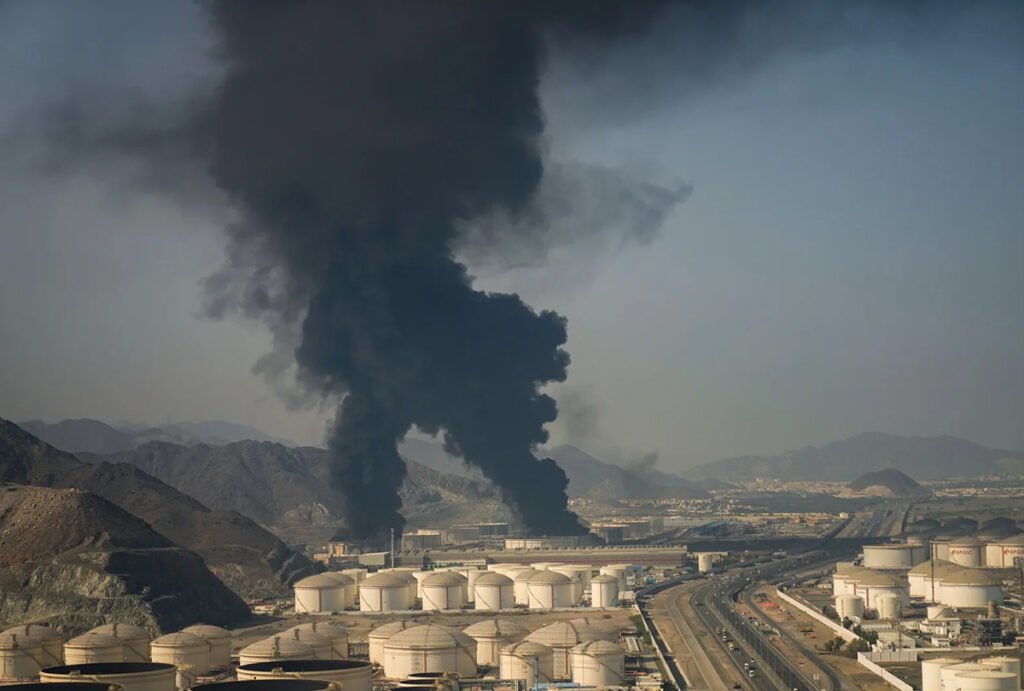
Projected Daily Output Loss
The hypothetical conflict could lead to an unprecedented daily reduction in global oil supply. This projected disruption would surpass all previous daily records for lost output. The closure of the Strait of Hormuz forms a central element of this severe projection. Such an event would immediately impact global energy markets.
Historical Supply Shock Comparisons
While the daily impact appears record-setting, the cumulative effect presents a different picture. At least one prior oil shock demonstrated a more significant cumulative impact over an extended period. This distinction highlights the difference between an immediate, sharp drop and prolonged, sustained reductions.
Understanding Cumulative Impact
Cumulative impact considers the total volume of oil removed from the market over a duration. A brief, intense daily disruption might not match the total lost from a longer, less severe historical event. Researchers evaluate both metrics to fully grasp energy market shocks.
The Strait of Hormuz’s Critical Role
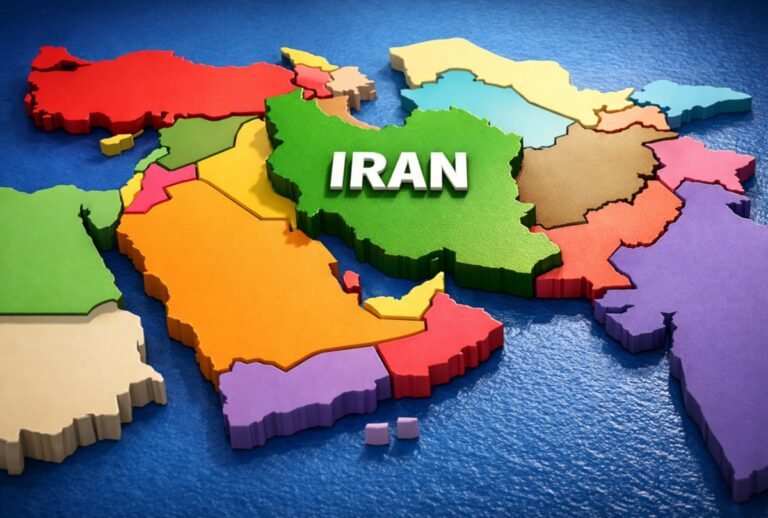
The Strait of Hormuz serves as a vital chokepoint for global oil shipments. Approximately one-fifth of the world’s total oil supply passes through this narrow waterway daily. Its closure would severely restrict the flow of crude oil and natural gas from major Middle Eastern producers. This strategic importance makes any disruption particularly impactful.
Analytical Methodology and Data Sources
Reuters conducted the detailed analysis underpinning these findings. The calculations relied on information from two key organizations. These included the International Energy Agency (IEA) and the U.S. Department of Energy. Their combined data informs the projections regarding potential supply disruptions.
Leave a Comment