

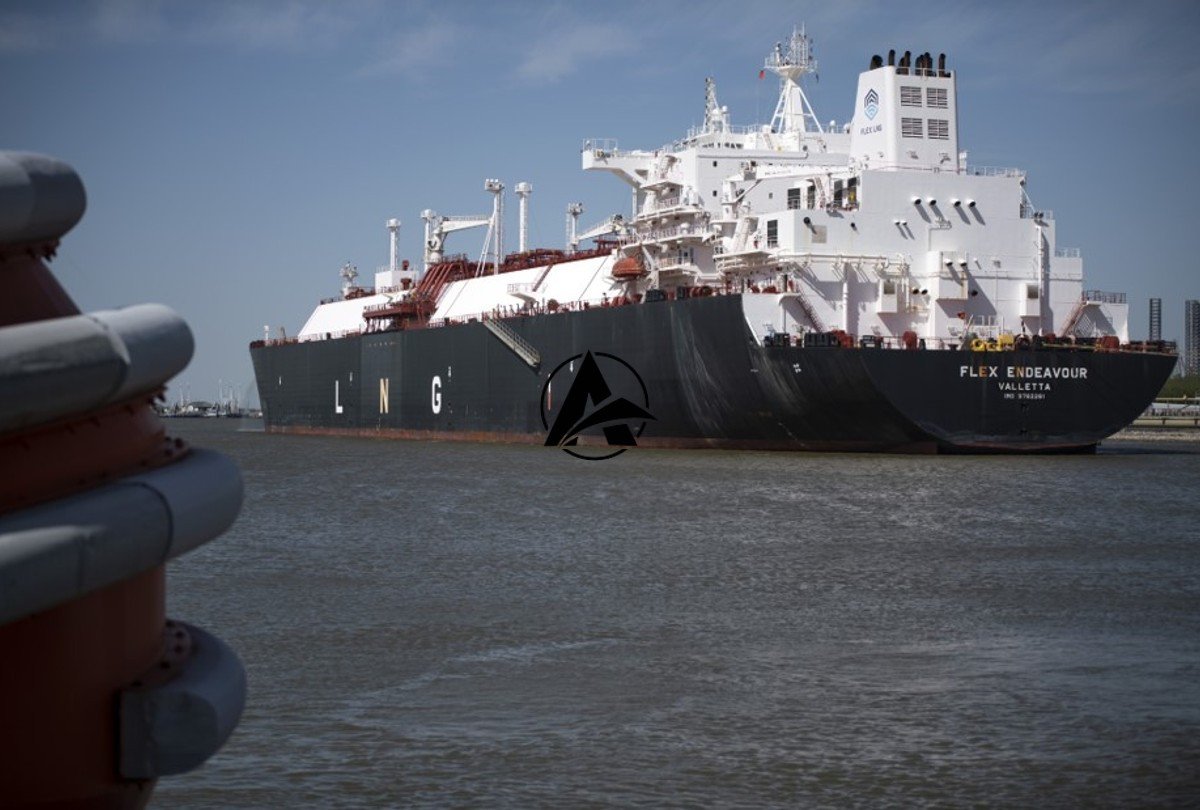

U.S. liquefied natural gas (LNG) exporters have effectively filled a significant supply gap created by disruptions originating in Qatar. This shortfall resulted from Iranian attacks on Qatari facilities and the subsequent closure of key shipping lanes in the Middle East. Despite these regional conflicts, global LNG volumes have remained at record highs.
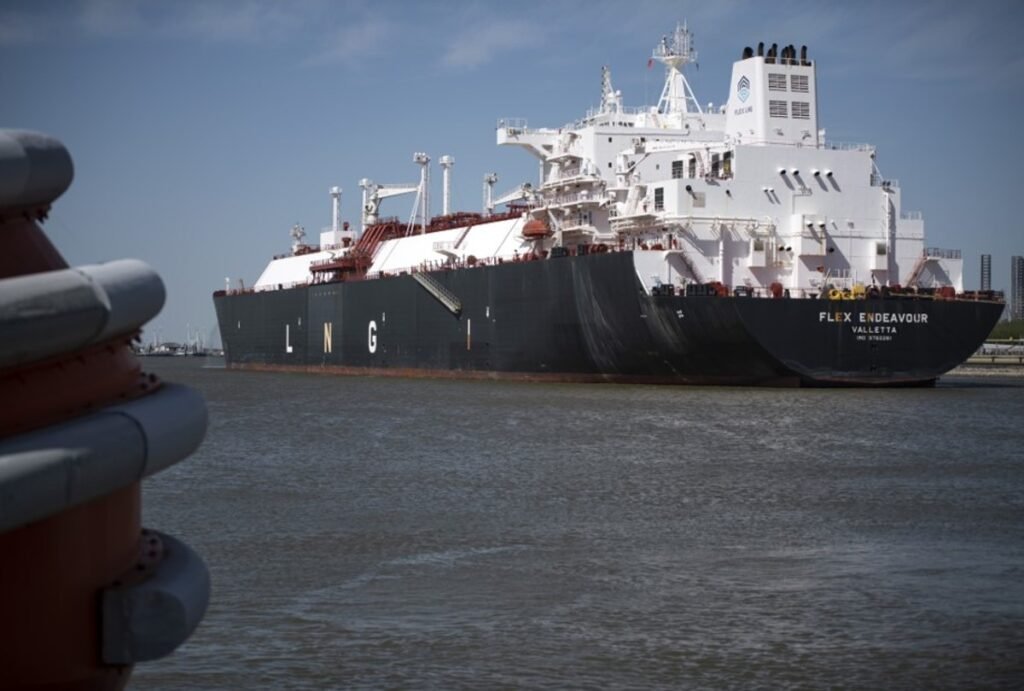
Increased output from the United States primarily drives this stability. However, this compensatory role is currently temporary. Ongoing peace talks with Iran could impact future supply dynamics and infrastructure repairs, introducing uncertainty into the long-term outlook.
Qatari Supply Disruptions
Iranian attacks on energy infrastructure in Qatar caused a notable drop in its LNG shipments. These incidents directly affected Qatar’s ability to deliver natural gas to international markets. Furthermore, the closure of vital Middle East shipping lanes compounded logistical challenges. Tankers faced increased risks, significantly limiting Qatar’s export capacity.
U.S. Exporters’ Pivotal Role
American LNG producers quickly increased their export volumes. They successfully offset the reduction from Qatar, which proved crucial for maintaining global energy security. Consequently, total global LNG supplies remained at unprecedented levels, defying regional instability and preventing potential market volatility.
Future Market Outlook
Experts view the current stability in LNG supplies as potentially temporary. The long-term outlook depends heavily on evolving geopolitical factors. Peace talks with Iran represent a significant variable in this equation. Successful negotiations could lead to a de-escalation of regional conflicts, potentially altering the global LNG supply landscape.
Impact on Infrastructure and Shipping
Resolution of conflicts could facilitate the repair of damaged Qatari facilities. Reopening key shipping lanes would also ease logistical burdens for all regional exporters. Such developments might reduce the immediate reliance on U.S. compensatory exports, potentially shifting market dynamics once more.

Leave a Comment