


Diplomatic discussions between the United States and Iran have reached an impasse, with bilateral talks stalled. Washington canceled a key diplomatic trip, while Tehran rejected negotiations, stating it would not participate under pressure.
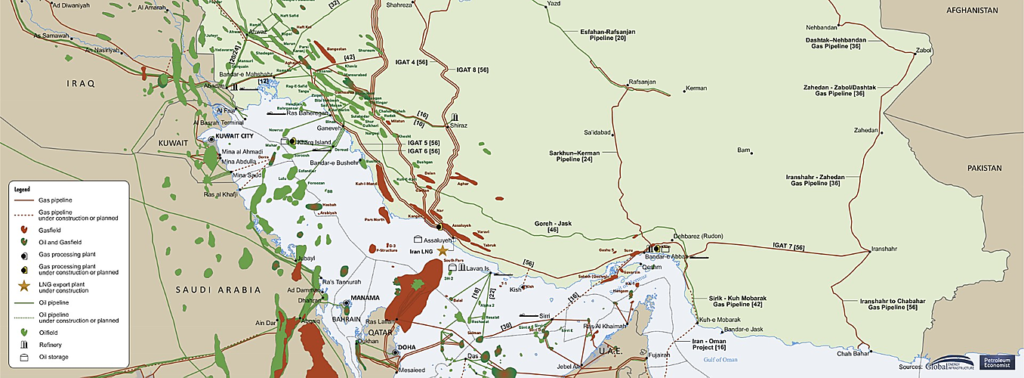
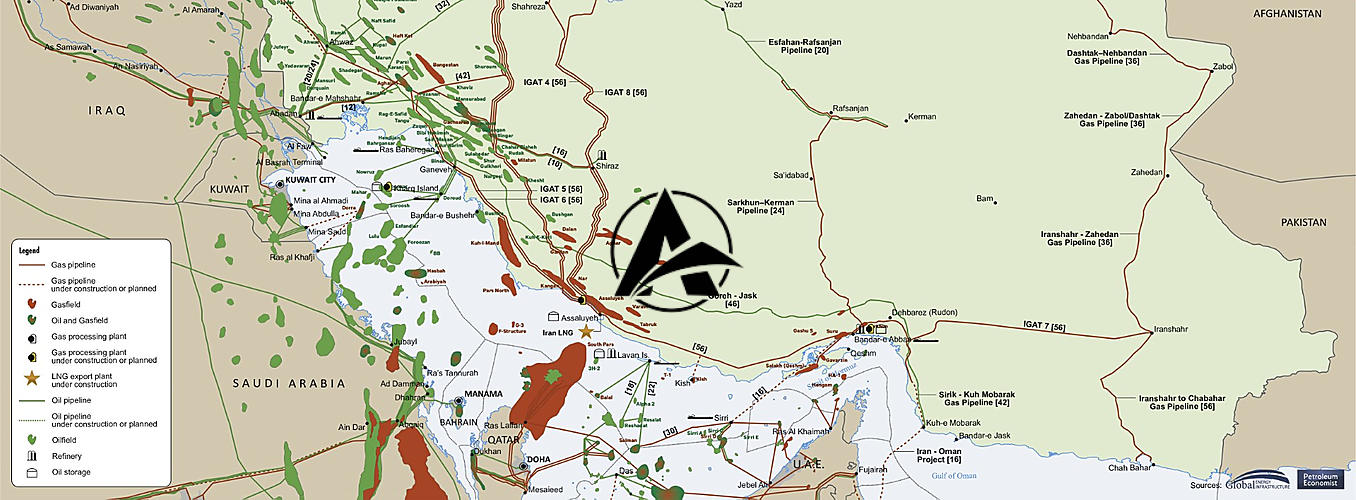
Simultaneously, maritime traffic through the critical Strait of Hormuz faces severe disruption. The strait is experiencing near-zero activity. Ongoing blockades are primarily responsible for this standstill.
Diplomatic Efforts Halted
The U.S. government recently called off a significant diplomatic trip. This action directly contributed to the current stall in discussions. Washington had previously aimed for continued dialogue with Iranian officials.
Iran, however, maintained a firm position against talks. Officials declared they would not engage in negotiations while facing external pressure. This stance further complicates prospects for restarting diplomatic engagement.
Strait of Hormuz Traffic Disrupted
The vital Strait of Hormuz now experiences significant operational challenges. Maritime traffic through this crucial waterway has dropped to near-zero levels. This situation poses considerable hurdles for global shipping.
Blockades are the direct cause of this severe reduction in activity. These obstructions have effectively halted vessel movement. The ongoing blockades have created a critical choke point for maritime trade.
Economic Implications
This near-total cessation of traffic profoundly impacts trade. Many ships, including oil tankers, rely on the Strait of Hormuz. This disruption creates delays and logistical complexities for global commerce.





Leave a Comment