

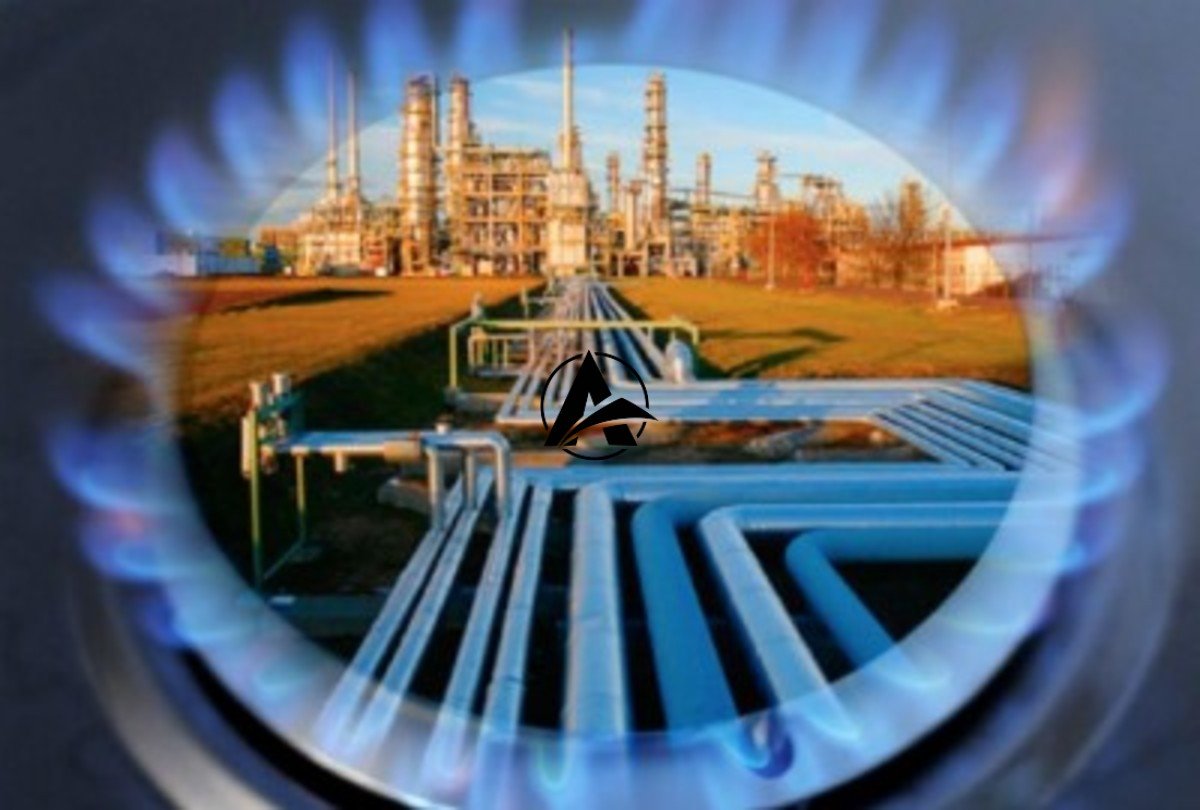

US natural gas futures recently experienced an uptick. This rise mirrored a broader increase in oil prices. Geopolitical concerns surrounding energy flows from the Persian Gulf primarily drove this movement in energy markets. Consequently, financial investments across various energy commodities have increased.
Updated weather forecasts also support this trend. Meteorologists now predict cooler conditions. This shift is expected to generate a modest increase in demand for natural gas. Natural gas serves as a crucial fuel for both residential heating and electricity generation.
Geopolitical Risks Influence Energy Markets
Renewed geopolitical risks significantly impacted energy flows from the Persian Gulf. These concerns prompted a notable increase in financial inflows. Investors directed these funds into a range of energy products, including natural gas and oil. Such developments often create upward pressure on commodity prices.
Weather Shifts Affect Demand Projections
Weather patterns play a critical role in natural gas consumption. Recent forecasts indicate a shift towards cooler temperatures. This change directly influences demand expectations for the heating and power-plant fuel.
Increased Demand for Heating and Power
Cooler conditions typically lead to higher energy usage. Consumers require more natural gas for heating homes and businesses. Power plants also increase their natural gas consumption to meet elevated electricity demands. This anticipated rise in demand contributes to the upward movement in futures prices.
In summary, a combination of heightened geopolitical risks and evolving weather patterns propelled the recent increase in US natural gas futures. These factors collectively influenced market sentiment and demand forecasts.


Leave a Comment