


The White House has extended a temporary suspension of the Jones Act, a long-standing shipping law. This measure aims to facilitate the transport of oil and fuel within the United States. Furthermore, it permits foreign-flagged vessels to move these vital commodities between U.S. ports.
Understanding the Jones Act
Congress enacted the Jones Act in 1920. This law requires that only U.S.-flagged, U.S.-built, and U.S.-crewed vessels transport goods between U.S. ports. It primarily supports the domestic maritime industry. However, critics suggest it can restrict shipping availability.
Addressing Supply Disruptions
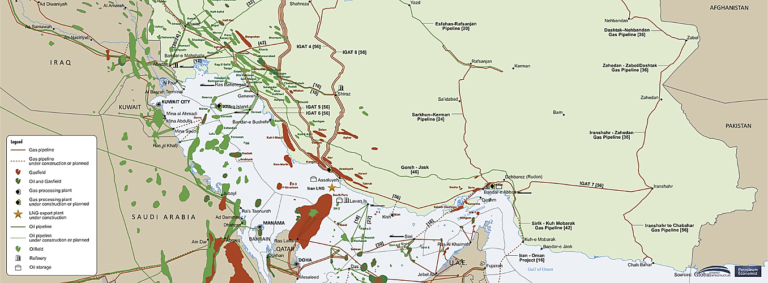
The extension, valid until mid-August, seeks to alleviate domestic supply disruptions. These issues have impacted various regions across the nation. Specifically, the disruptions are linked to ongoing tensions and conflicts involving Iran. Such geopolitical events often affect global energy markets. Consequently, U.S. oil supplies have faced challenges.
Impact on U.S. Fuel Markets
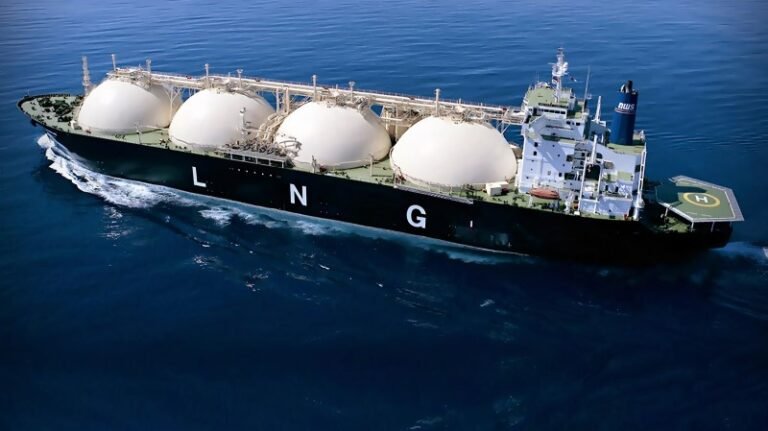
Permitting foreign vessels to operate temporarily offers increased flexibility. It provides additional capacity for fuel delivery where U.S.-flagged ships might be scarce. This action directly supports efforts to stabilize energy prices and ensure consistent fuel availability. The administration hopes to mitigate potential economic impacts.
Waiver Duration and Future Outlook
The current waiver remains effective through mid-August. This timeframe allows for continued flexibility in fuel transport. Government officials will monitor market conditions closely. Future extensions or adjustments will depend on evolving supply chain dynamics and geopolitical developments.



Leave a Comment