


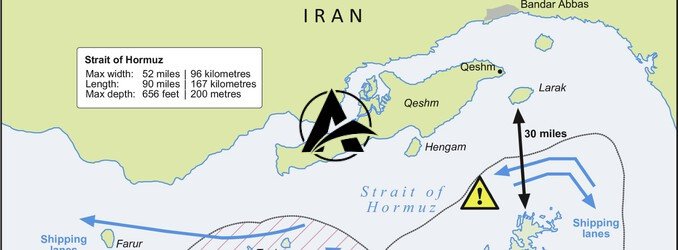
Iran has once again closed the Strait of Hormuz. This action follows a brief period during which the vital waterway had been reopened. The latest development contributes to an uncertain outlook for global energy markets and international shipping.
Analyst’s Perspective on Market Readings
Energy analyst Arjun Murti offered his perspective on the situation. In an interview with World Oil, he suggested that current market assessments might be misinterpreting the complex dynamics. Murti particularly highlighted the absence of a straightforward “open” or “closed” outcome for the Strait, challenging conventional market views.
Ambiguous Status Prevails
Murti further emphasized that the Strait’s status remains ambiguous. He indicated that a definitive “open” or “closed” declaration is not currently apparent. This ongoing lack of clarity affects global shipping and trade routes significantly, creating persistent unpredictability for maritime operations.
Potential Economic Ramifications
The energy analyst also cautioned about potential economic risks. These risks stem directly from the ongoing ambiguity surrounding the Strait of Hormuz. Unpredictability in this critical maritime choke point could impact various global sectors, including oil, gas, and broader logistics. Consequently, businesses face increased operational challenges and potential supply chain disruptions.
Continued Volatility Expected
The re-closure of the Strait of Hormuz by Iran creates continued volatility. Markets must therefore grapple with the lack of a clear resolution. Analysts like Murti underscore the need for caution and vigilant monitoring of geopolitical developments in the region. The situation demands ongoing scrutiny from international stakeholders.




Leave a Comment