


U.S. Energy Secretary Chris Wright recently stated that a temporary “fear premium” primarily drives the current surge in oil prices. He emphasized that this market phenomenon stems from ongoing geopolitical tensions. Wright’s assessment highlights specific regional conflicts and their global economic impact.
Understanding the “Fear Premium”
Secretary Wright explained the concept of a “fear premium.” This refers to an additional cost built into commodity prices. It reflects market participants’ anxiety about potential supply disruptions. This premium is not based on actual shortages but on anticipated risks.
Geopolitical Factors Influencing Oil Markets
The Iran Conflict’s Impact
The conflict involving Iran is a significant driver of this premium. It introduces considerable uncertainty into the global energy landscape. Investors react to the instability, pushing prices upward. This geopolitical situation creates a volatile trading environment.
The broader Middle East region remains a critical source of global oil supply. Any perceived threat there immediately impacts market sentiment. Wright’s comments underscore the sensitivity of oil prices to regional stability.
Strait of Hormuz Shipping Disruptions
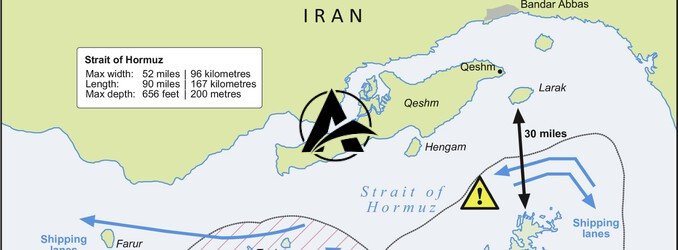
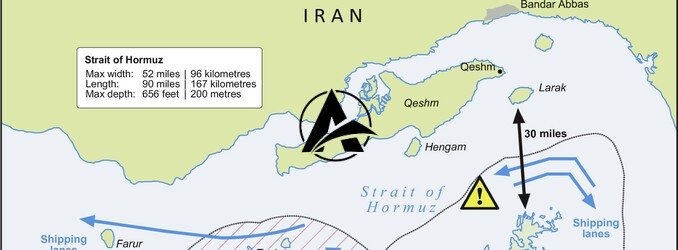
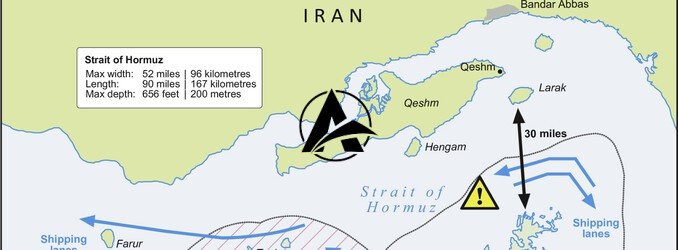
Disruptions to shipping through the Strait of Hormuz also contribute to the “fear premium.” This narrow waterway is a crucial chokepoint for global oil transit. A substantial portion of the world’s crude oil passes through it daily.
Any threat or impediment to free passage raises serious concerns. It directly affects the reliability of supply routes. Consequently, shipping uncertainties further amplify market apprehension. This situation adds to the overall “fear premium.”
Outlook on Price Stability
Secretary Wright described the current premium as temporary. He suggested that market conditions could stabilize over time. Resolution of the underlying geopolitical issues would likely alleviate this additional cost. Such a development would help normalize global oil prices.


Leave a Comment