

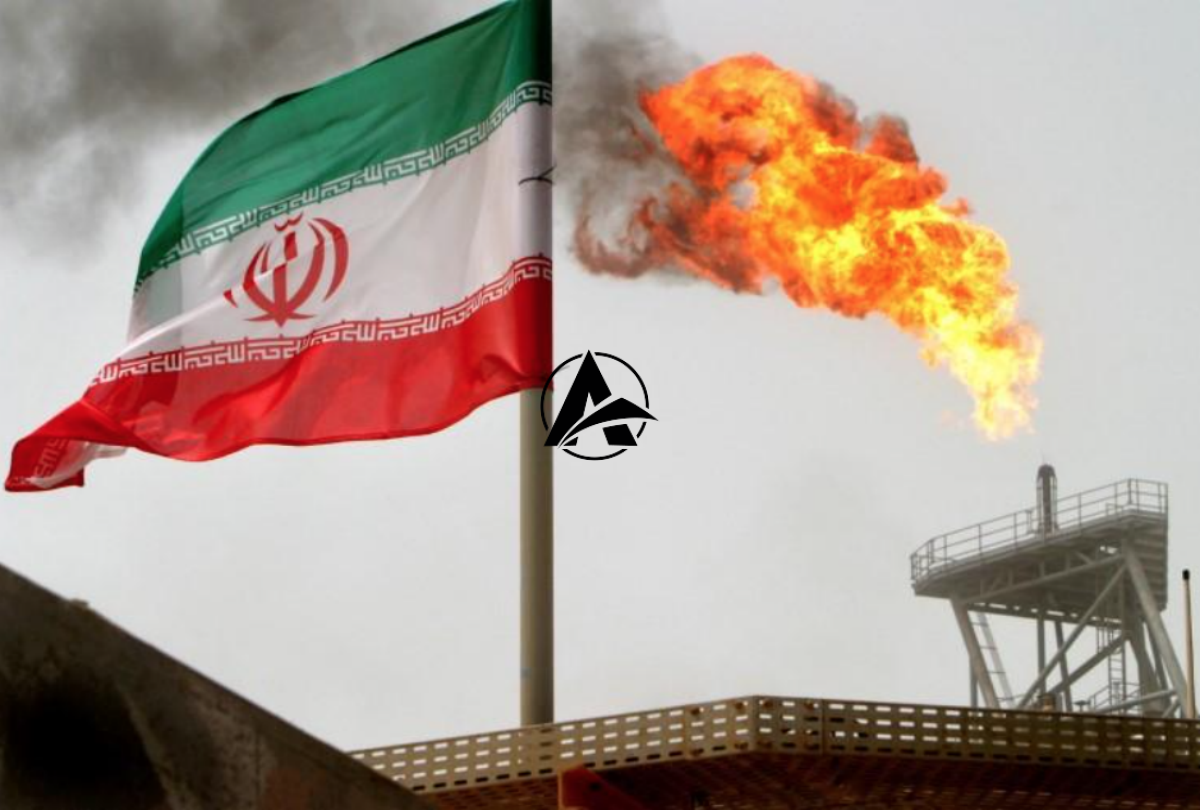

Reports indicate that the United States and Israel launched an attack on Iran on Saturday. This action has heightened concerns about potential disruptions to oil and gas output. It also threatens critical energy infrastructure throughout the Middle East.
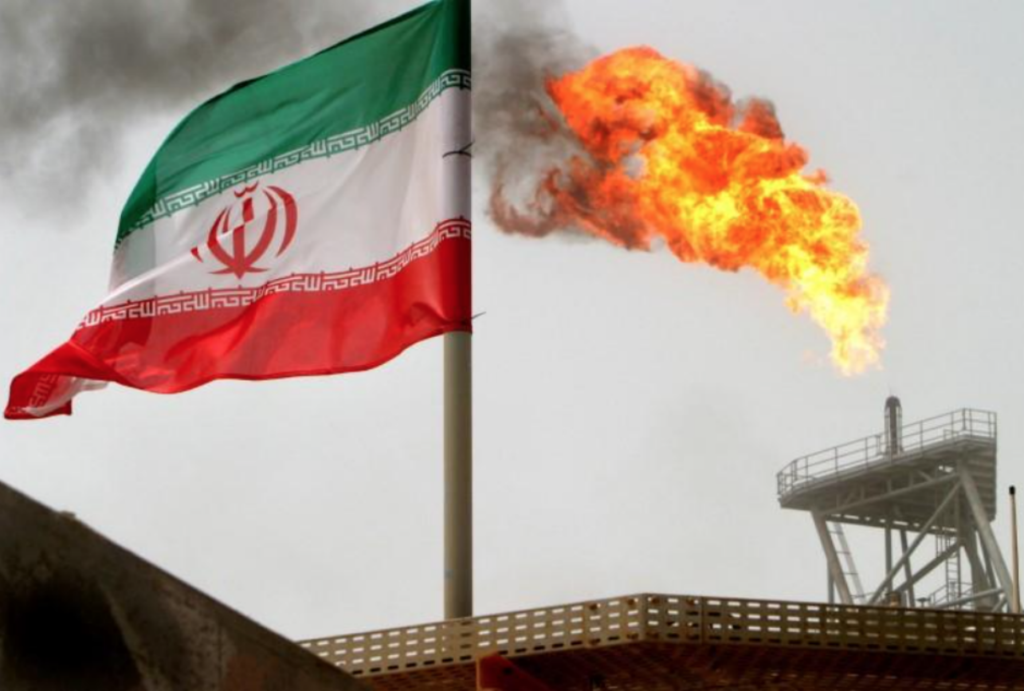
Iran’s Significant Energy Role
Iran holds a prominent position as the world’s third-largest oil producer. Its extensive energy industry is integral to global supply chains. This makes any threat to its operations a matter of international concern.
The nation possesses substantial infrastructure supporting significant production and export capabilities. Understanding its energy landscape reveals the potential scale of any impact. This context is vital for assessing current developments.
Potential for Market Disruption
The recent attack specifically raises the prospect of disrupted oil and gas output. Such an event could lead to volatility in international energy markets. Global consumers and industries rely on stable supply.
Furthermore, damage to key energy infrastructure poses a substantial risk. Repairing such facilities often requires significant time and resources. This could prolong any supply chain interruptions.
Sanctions and Export Dynamics
Western sanctions have long influenced Iran’s capacity for energy exports. These restrictions have shaped its trade relationships and market access. The new developments add another layer of complexity to this existing framework.
Analysts are evaluating how the attack might interact with these ongoing sanctions. The combined effect could further challenge Iran’s ability to maintain consistent energy flows. This situation demands careful observation.
Observers are closely monitoring the evolving situation. The full extent of the attack’s consequences for regional stability remains unclear. Its long-term impact on global energy markets requires continued assessment.


Leave a Comment