


Major oil companies and leading trading houses have suspended crude oil and fuel shipments through the Strait of Hormuz. This decision follows escalating tensions in the Middle East. Ongoing U.S. and Israeli military actions against Iran, coupled with Tehran’s subsequent retaliation, triggered the halt.
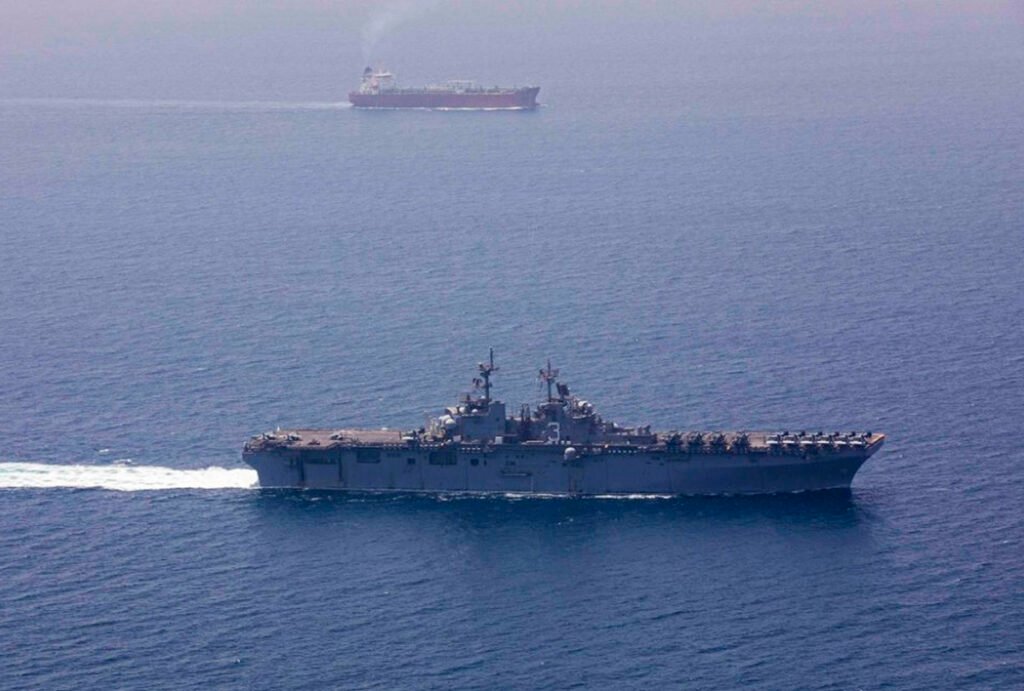
Strait of Hormuz Significance
The Strait of Hormuz represents a vital global chokepoint for energy transit. It connects the Persian Gulf to the open ocean. A significant portion of the world’s seaborne oil and liquefied natural gas (LNG) passes through this vital waterway daily. Disruptions here can have far-reaching effects on global energy markets.
Global Economic Implications
Analysts widely view the Strait as critical for the international economy. Any prolonged closure or severe disruption could lead to significant price volatility. It would also impact supply chains worldwide, affecting consumers and industries alike.
Escalating Regional Conflict
The suspension directly stems from recent military engagements. U.S. and Israeli forces have conducted attacks targeting Iran. In response, Tehran has reportedly retaliated, further heightening regional instability. These actions have intensified concerns over maritime security.
Industry Response and Outlook
Four independent trading sources confirmed the halt on Saturday. One top executive from a major trading desk provided further insight. He stated their vessels would remain stationary for several days. This immediate cessation underscores industry concerns regarding maritime safety in the region.
Shipping companies regularly assess risks in volatile areas. Consequently, they often reroute or delay transits when threats emerge. This current suspension reflects a heightened perception of danger for commercial vessels operating near the Strait.





Leave a Comment