


Cuba is currently grappling with severe and prolonged power outages, a situation driven by significant shortfalls in electricity generation. This energy crisis is exacerbated by U.S. actions that impede the delivery of oil shipments to the island. Oil remains a critical factor given Cuba’s reliance on it for power infrastructure.
Escalating Power Shortages
The nation faces a dire energy predicament. Citizens experience extended blackouts, disrupting daily life and economic activity. These outages stem directly from substantial shortfalls in the country’s electricity generation capacity. The national grid struggles to meet demand.
U.S. Restrictions on Oil Supply
U.S. policies significantly contribute to Cuba’s energy woes. Washington’s actions actively hinder the arrival of oil shipments to the Caribbean nation. Consequently, Cuba’s power infrastructure, heavily dependent on oil, suffers from a lack of essential fuel. This exacerbates the existing generation shortfalls.
Widespread Solar Adoption
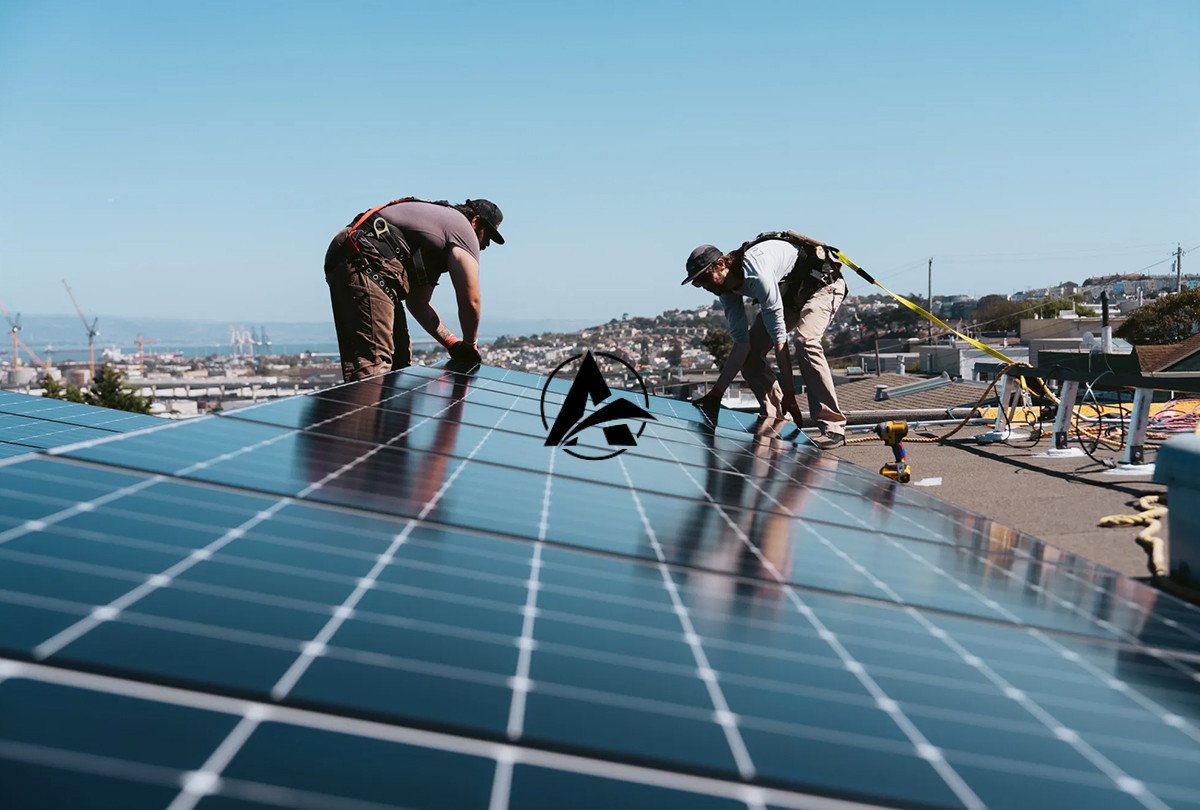
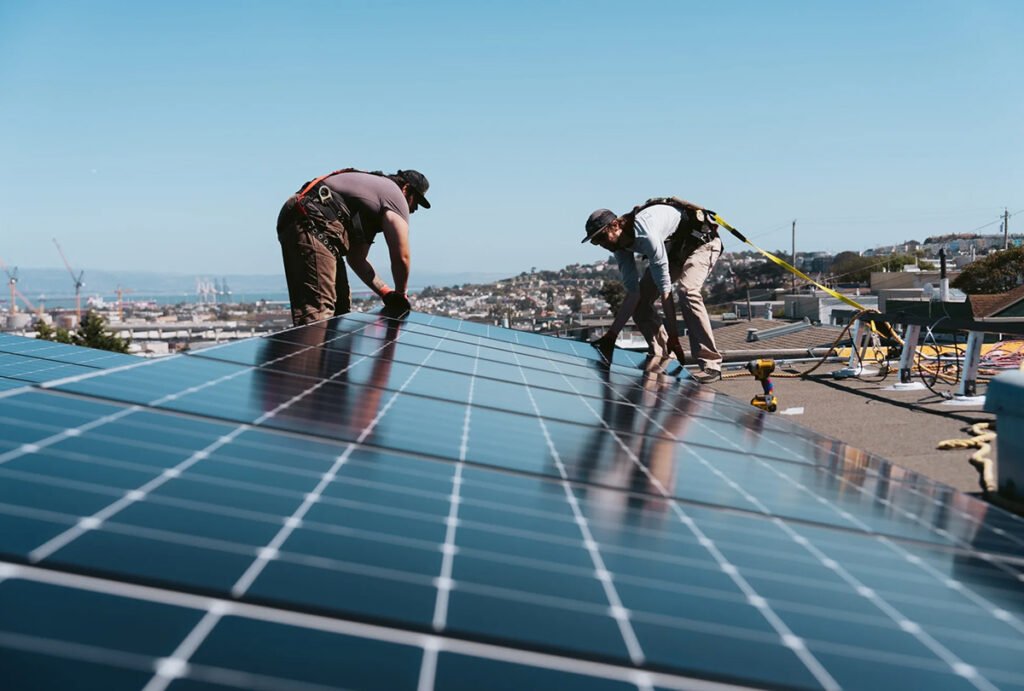
In response to these unreliable power conditions, Cubans are increasingly adopting solar energy solutions. A noticeable surge in solar panel installations has occurred across the island. Residents proactively seek alternative and reliable power sources.
Individual Initiatives
Citizens install solar panels on their homes, ensuring personal power access. Commercial establishments also integrate solar technology, maintaining business operations. Furthermore, some individuals even equip vehicles with solar panels, demonstrating creative adaptation to the energy crisis.
This widespread embrace of solar energy aims to mitigate the impact of the ongoing blackouts. Cubans continue to seek self-sufficient methods for powering their lives. They look for practical ways to cope with the unreliable national grid and the broader energy challenges.

Leave a Comment