

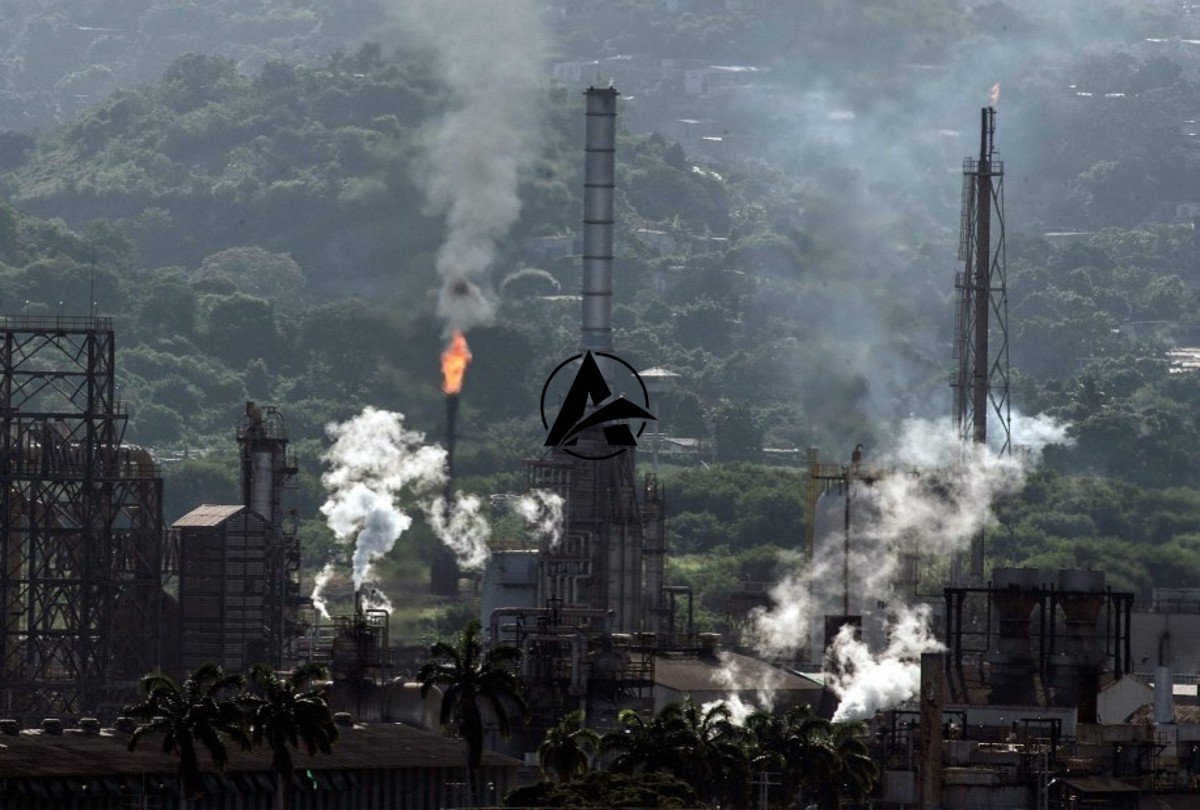

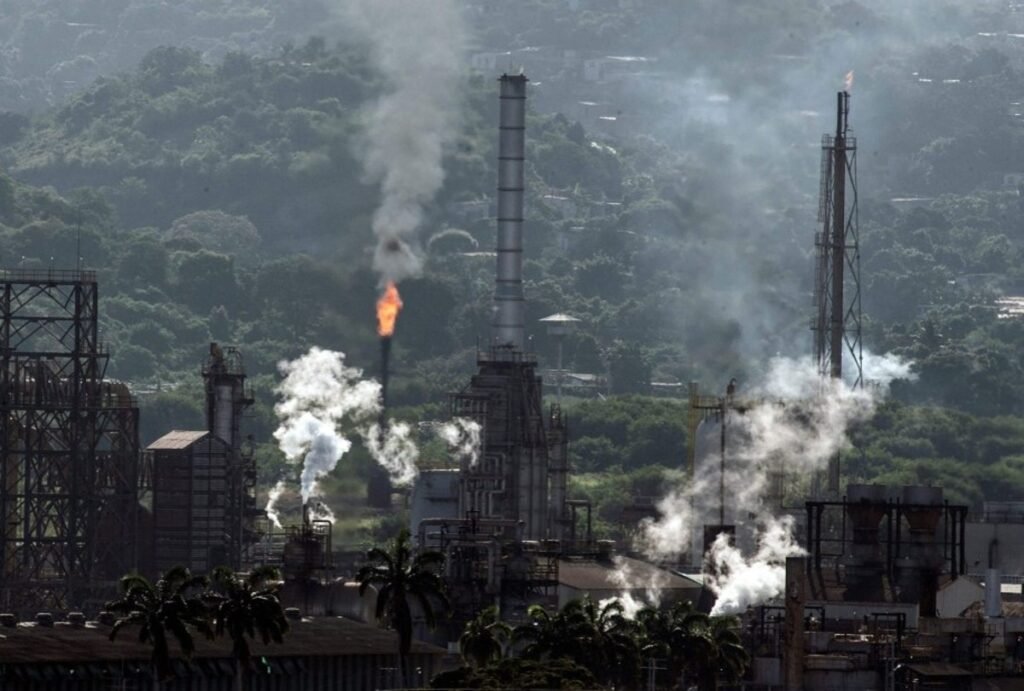
Venezuela holds vast oil reserves. Yet, its energy infrastructure is significantly dilapidated. This paradox defines the country’s oil industry. State intervention has historically reshaped this sector.
Chávez Era: Shifting Oil Ownership
In the 2000s, President Hugo Chávez initiated major policy changes. He expropriated assets from several international oil companies. This action altered the operational landscape. Foreign firms saw their control diminish.
Impact on Global Operators
The expropriations created uncertainty for foreign energy corporations. Companies faced investment losses. Venezuela’s reputation as a reliable partner suffered. Many international entities reconsidered their presence.
PDVSA‘s Enhanced State Control
Chávez’s actions significantly strengthened state-owned PDVSA. The company gained increased control over Venezuela’s oilfields. PDVSA became the dominant force in national oil production. This consolidation marked a pivotal moment.
Persistent Infrastructure Deterioration
Venezuela’s energy infrastructure continues to suffer. Years of underinvestment led to its dilapidated state. This condition severely impacts production capacity. It also hinders efficient extraction and processing. Deteriorated infrastructure presents ongoing operational hurdles. These challenges affect all operators. Modernization requires substantial capital and expertise. Facility conditions remain a critical constraint on output.

Leave a Comment