


Norwegian energy company Equinor projects a significant reduction in oil production at its Johan Sverdrup field in 2026. The company anticipates output from this key North Sea asset will decline by 10% to 20%. This forecast marks a crucial turning point for one of Europe’s most important energy supply sources.
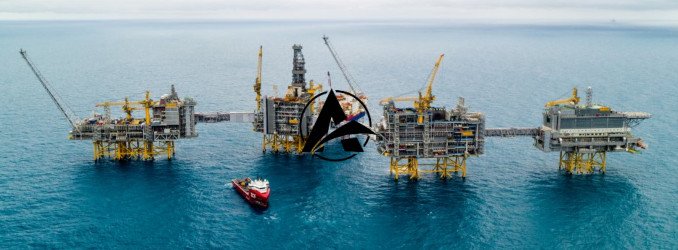
The Johan Sverdrup field, which lies in the central North Sea, has long held the distinction as the region’s largest producing asset. Its projected decline signals a notable shift in its operational trajectory. Operators previously maximized output from this vital resource, contributing substantially to overall European energy security.
Production Forecast Details
Equinor, as the primary operator and a leading global energy company, specifically outlined the expected reduction for 2026. They foresee a drop in oil production ranging from 10% to 20% during that year. This projection reflects the natural maturation processes inherent in large-scale oil fields.
The company’s announcement provides important clarity regarding future output from this major offshore installation. Industry stakeholders will undoubtedly monitor actual production levels closely in the coming years. This anticipated decline will consequently influence overall North Sea oil output figures and broader market expectations.
Significance of Johan Sverdrup
The Johan Sverdrup field has played an indispensable role in maintaining European energy stability. It consistently ranks as the North Sea’s most prolific oil-producing asset since operations began. Its substantial output has significantly contributed to the region’s crude oil supply.
Contribution to European Supply
For an extended period, the field served as a crucial engine for supply growth across Europe. Its robust and consistent production helped meet increasing energy demands on the continent. Therefore, any reduction in its output carries notable implications for Europe’s long-term energy landscape and import reliance.
Marking a Turning Point
Analysts and energy experts view the anticipated production decline as a definitive turning point for the Johan Sverdrup field. It transitions from a phase of continuous expansion and peak output to one of managed reduction. This shift represents a natural and expected progression for mature, large-scale oil fields globally.
Despite the projected decline, the field’s ongoing strategic importance to the North Sea region remains undiminished. However, its future role will evolve from a growth driver to a steady, albeit decreasing, contributor. Industry observers will now focus on effective decline management strategies and efforts to extend the field’s productive life responsibly.





Leave a Comment