

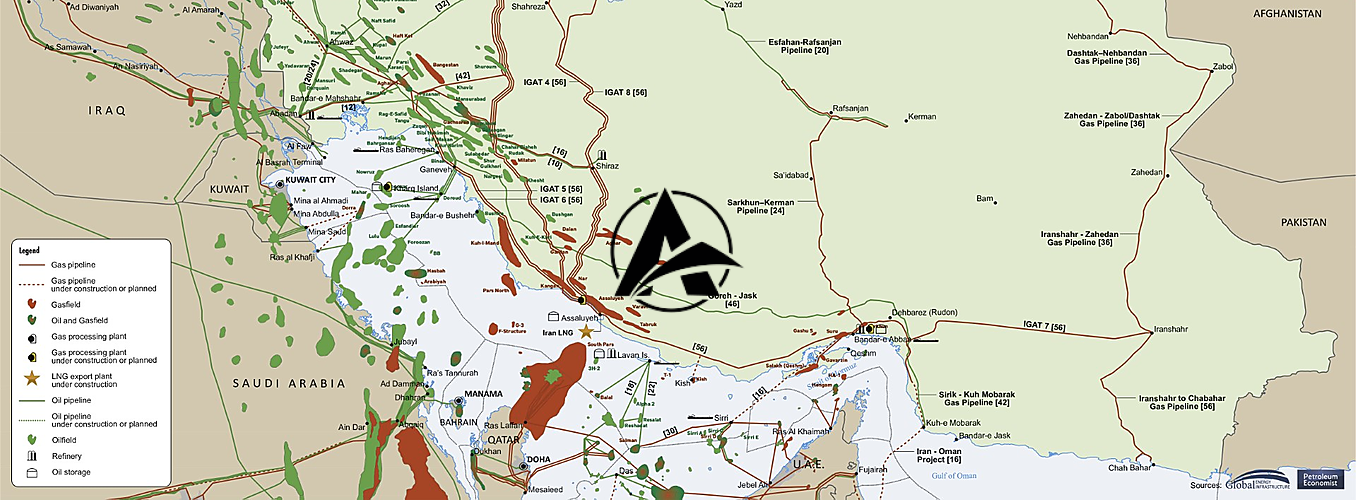

West Texas Intermediate (WTI) crude oil has settled above $100 per barrel, marking the first time the benchmark has reached this level since 2022. This significant price milestone reflects growing instability in global energy markets. The sharp increase in oil prices is primarily driven by an escalating conflict involving Iran and the potential for disruptions in the vital Strait of Hormuz. These geopolitical tensions are severely tightening global oil supply, creating immediate pressure on the market.
Geopolitical Factors Drive Oil Surge
An escalating conflict involving Iran directly impacts global oil prices. Such regional instability often creates uncertainty regarding future supply. Traders and investors react to these developments, pushing prices upward as they anticipate potential shortages. The current situation contributes significantly to the market’s bullish sentiment.
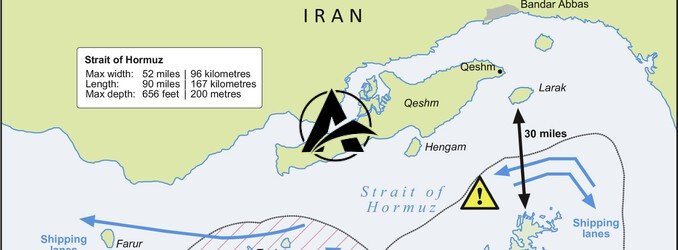
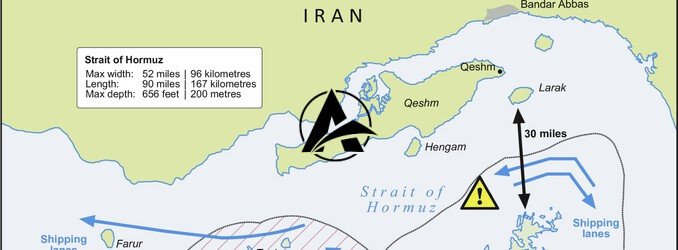
A key contributing factor to the price surge involves the Strait of Hormuz. This narrow waterway is a critical chokepoint for global oil shipments. Approximately one-fifth of the world’s total oil supply passes through the Strait daily. Therefore, any threat of disruption in this area causes immediate concern for global supply chains. Concerns over its security have intensified, directly influencing market behavior.
Economic Implications and Market Concerns
Inflationary Pressures
The situation is raising widespread concerns among analysts and policymakers regarding a potential surge in inflation. Higher crude oil prices translate into increased costs for transportation, manufacturing, and consumer goods. Consequently, businesses often pass these elevated expenses onto consumers. This ripple effect can accelerate inflationary trends across various economies.
Shipping Constraints
Furthermore, the escalating tensions highlight potential shipping constraints. Disruptions in key maritime routes, such as the Strait of Hormuz, could severely impede the movement of crude oil and other goods. Shipping companies might face higher insurance premiums or reroute vessels, adding to operational costs and delivery times. These challenges can strain international trade and logistical networks.
Future Price Outlook
Analysts anticipate further upside risk for energy prices across the board. The fundamental drivers of the current price hike, including geopolitical instability and supply concerns, show no signs of immediate resolution. Therefore, market participants expect continued volatility and potential for even higher prices in the near term. This outlook creates ongoing uncertainty for global energy consumers.
In conclusion, the rise of WTI crude above $100 per barrel signals a complex interplay of geopolitical events and market fundamentals. The conflict involving Iran and risks to the Strait of Hormuz have significantly tightened global oil supply. This situation generates substantial concerns about inflation, shipping logistics, and the trajectory of future energy costs.
Leave a Comment