

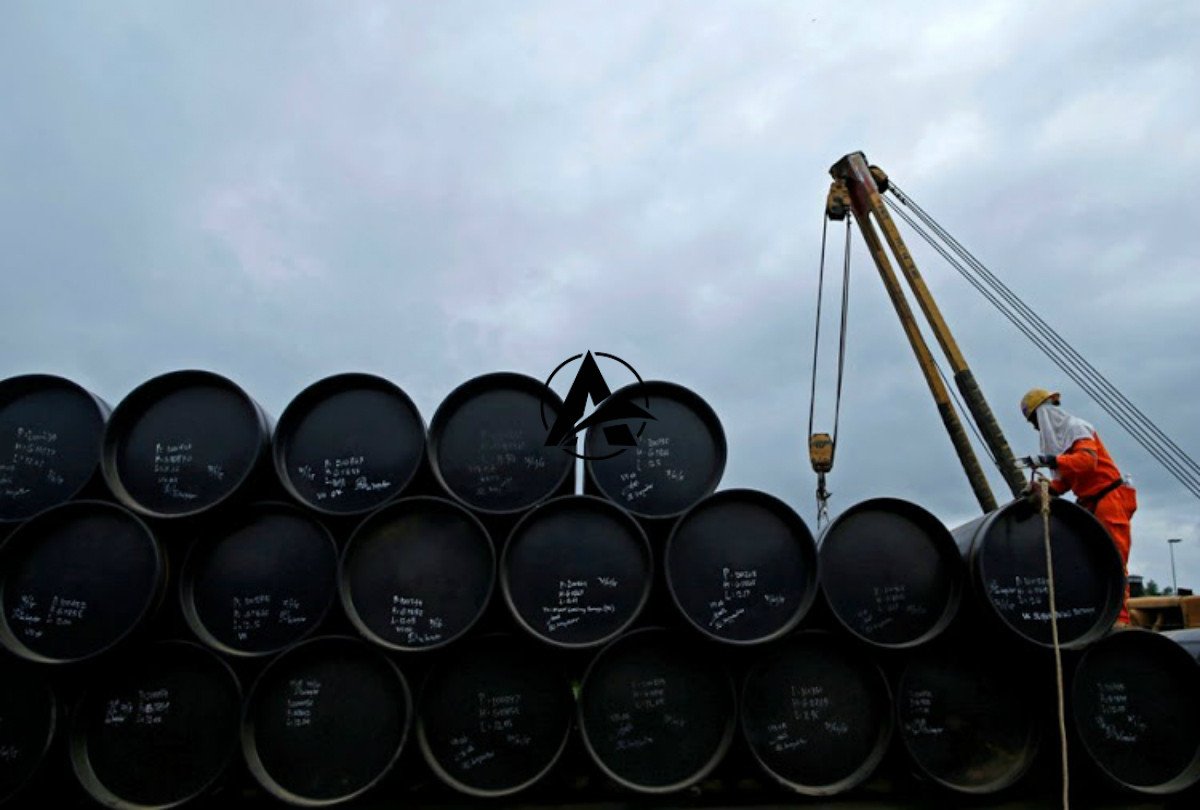

Western nations, including the European Union, Britain, and the United States, have implemented a series of sanctions against Russia. These measures directly respond to Russia’s ongoing war in Ukraine. The international community continues to monitor the conflict. These coordinated efforts aim to exert economic pressure.

International Response to Conflict
The European Union, Britain, and the United States have collectively imposed various sanctions. These nations initiated these actions following Russia’s military involvement in Ukraine. Their unified approach highlights a broad international condemnation. Governments worldwide have watched the evolving situation closely. Consequently, they enacted these economic penalties.
Targeting Russia’s Energy Sector
The United States specifically targeted Russia’s energy sector. In October, U.S. authorities sanctioned two of Russia’s leading oil producers. These companies are Rosneft and Lukoil. This move underscores a strategy to impact key Russian industries. The energy sector represents a significant portion of Russia’s economy.
Focus on Oil Producers
Rosneft and Lukoil hold prominent positions within the global oil market. Sanctioning these entities directly impacts their operations. It also affects their ability to conduct international trade. Such actions aim to reduce Russia’s revenue streams. These revenues often support military operations.
Timeline of Initial Measures
Western sanctions against Russia began earlier in the year. The United States initiated its first key sanctions on August 23, 2024. This early action set a precedent for subsequent measures. Other nations later joined these efforts. They have continued to expand the scope of restrictions.
These coordinated Western sanctions represent a significant economic response. They aim to address Russia’s actions in Ukraine. The measures have specifically targeted vital sectors, like energy. Nations continue to apply pressure through these financial restrictions.

3 Comments