


Two California refinery closures will significantly impact the U.S. West Coast’s fuel supply. This development threatens to exacerbate already high gasoline prices for consumers in the region. The West Coast operates as an isolated market, contributing to its unique pricing challenges.
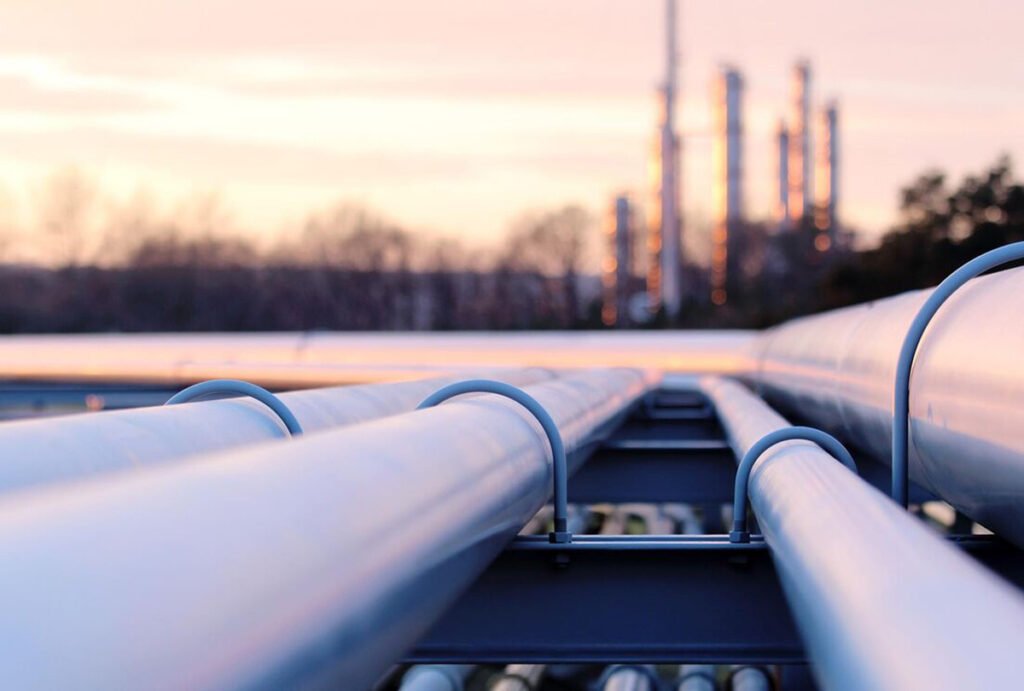
Energy companies have initiated a competitive race to construct a new fuel pipeline to the West Coast. This project represents a potentially highly lucrative opportunity. Companies aim to address the anticipated supply crunch and capitalize on the region’s demand.
Refinery Closures and Market Impact
The planned shutdown of these two California refineries drives the current initiative. These closures will likely cause gasoline prices to soar further in the West Coast market. Motorists in these states already face some of the highest fuel prices nationwide.
West Coast Market Dynamics
The West Coast fuel market is characterized by its isolation from other supply networks. This geographical separation limits options for importing refined products efficiently. Local production therefore plays a critical role in maintaining supply stability and pricing.
The Competitive Pipeline Race
Several energy companies are now competing intensely to build this crucial fuel pipeline. The project involves significant investment and complex logistical planning. Success could reshape the regional energy landscape for decades.
Economic Incentives
Constructing a pipeline to the West Coast offers a substantial economic prize. Companies recognize the immense profit potential from the region’s consistent demand and supply vulnerabilities. This lucrative opportunity fuels intense competition among firms.
Anticipated Effects
A new pipeline promises to mitigate some of the supply risks associated with the refinery closures. It could potentially stabilize prices for consumers. However, construction timelines and regulatory hurdles remain significant factors.


Leave a Comment