

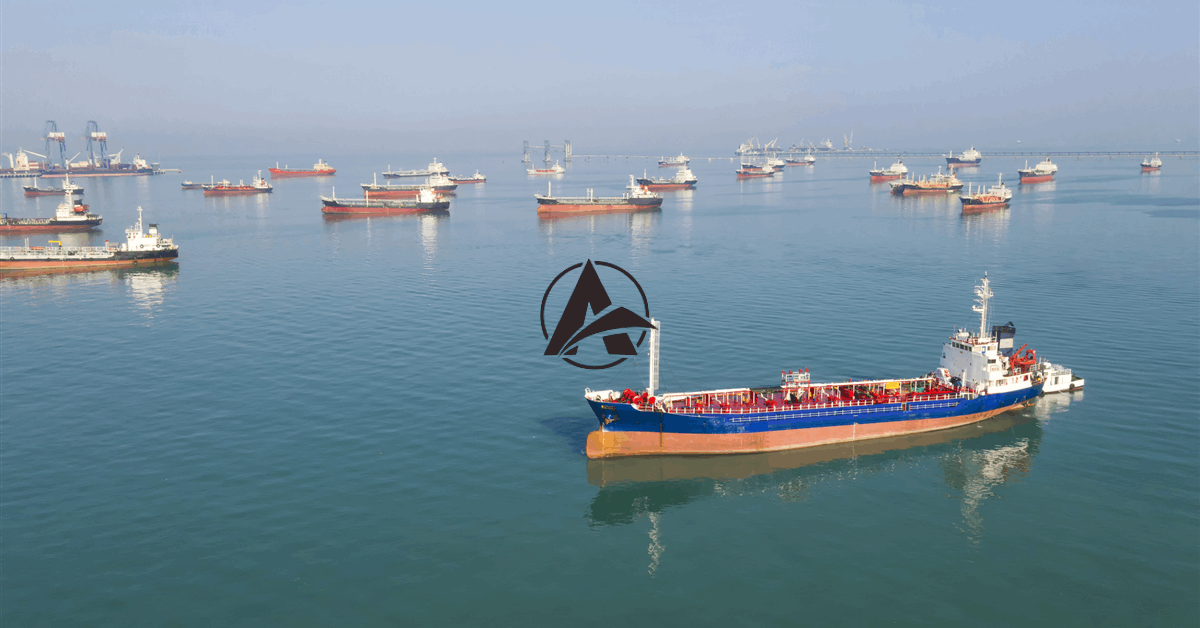

Tankers are actively avoiding the Strait of Hormuz following recent joint US and Israeli strikes on Iran. Warnings have indicated the critical waterway may now be unsafe for transit. This development prompts significant changes in maritime operations, impacting global shipping patterns.
Vessel Movements and Safety Alerts
Many vessels have halted their journeys near the strategic strait. Other ships have reversed course entirely. They aim to steer clear of the area, prioritizing crew and cargo safety above all else. This cautious approach reflects the gravity of the situation.
Navigational Advisories
Authorities issued explicit warnings regarding the waterway’s safety. These advisories directly influenced vessel operators’ decisions. Consequently, maritime traffic patterns in the region have shifted dramatically. Shipping companies closely monitor the evolving security landscape.
Geopolitical Context and Shipping Disruption
Joint US and Israeli military actions against Iran preceded the current shipping disruptions. These strikes contribute to heightened tensions in the broader region. Such geopolitical developments often have immediate and tangible effects on international commerce. The maritime industry reacts swiftly to perceived threats.
The Strait’s Strategic Significance
The Strait of Hormuz represents a vital global shipping lane. It connects the Persian Gulf with the Arabian Sea and beyond. Its strategic importance makes any disruption particularly impactful. The current situation underscores the waterway’s critical role in international trade.
Outlook for Regional Shipping
Uncertainty continues for vessels operating near the Strait of Hormuz. Vessel operators remain vigilant, constantly assessing risks. They seek updated information from maritime security agencies. The safety of future transits through the strait remains a primary concern for the industry.





Leave a Comment