


Venezuela‘s state oil company, PDVSA, has begun shutting down oil wells within the critical Orinoco Belt region. This action is leading to an estimated 25% reduction in the nation’s overall crude production. These drastic measures stem directly from severe storage constraints. U.S. blockade measures are effectively halting the flow of Venezuelan crude oil, preventing its movement and export.
Production Reductions Underway
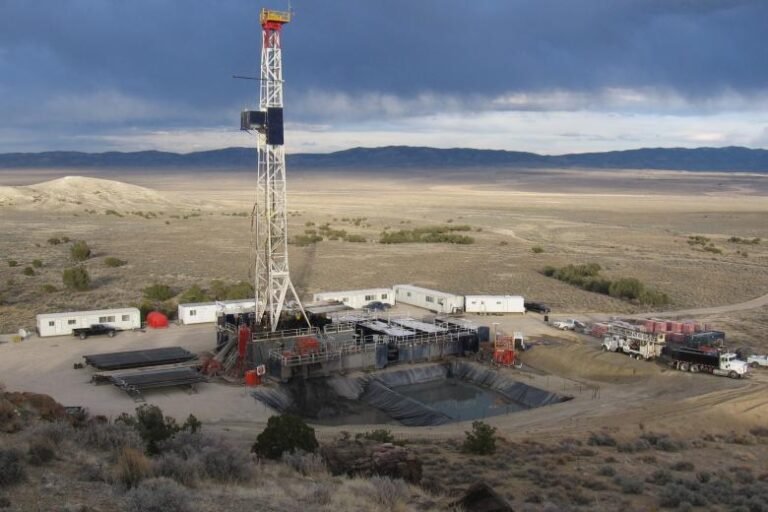
PDVSA has initiated the closure of multiple oil wells. These closures specifically target the Orinoco Belt, a crucial area for Venezuelan crude extraction. The country expects a significant 25% decrease in its total oil output as a result of these shutdowns.
Growing Storage Challenges
The primary driver behind these production cuts is a lack of available storage capacity. Venezuela’s oil facilities are reaching their limits. Oil producers cannot store additional crude, necessitating the halt of extraction operations.
Export Blockade’s Role
U.S. blockade measures directly contribute to these storage issues. These measures effectively prevent the export of Venezuelan crude oil. Consequently, crude remains within the country, quickly filling available storage tanks.
Impact on National Output
The forced reduction in crude production carries substantial implications. Venezuela, heavily reliant on oil exports, faces economic pressure. This situation highlights the direct consequences of disrupted international trade routes for its primary commodity.




Leave a Comment